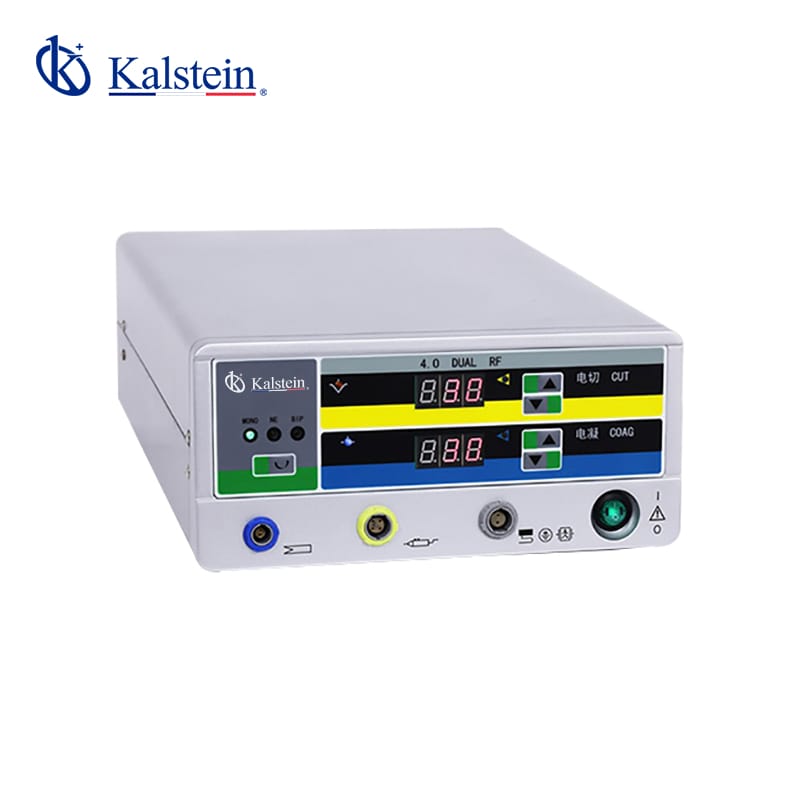
Understanding Results Interpretation and Measurement Reading with the YR02146 Electrosurgical Unit
The YR02146 Electrosurgical Unit offers advanced functionality for a variety of surgical procedures. A thorough understanding of its measurement reading and results interpretation is crucial for efficient and safe operation. This article delves into these topics, helping users maximize the capabilities of the YR02146.
Technical Overview of the YR02146
| Model | Power Output (W) | Cut Mode | Coagulation Mode | Frequency |
|---|---|---|---|---|
| YR02146 | 150W | Pure, Blend 1, Blend 2, Blend 3 | 100W (point), 100W (soft) | 512 kHz (110/240v AC, 60/50Hz) |
Principles of Operation for the YR02146
The YR02146 operates on the principle of high-frequency electrical currents, which are utilized to cut and coagulate tissue during surgical procedures. It offers various modes that tailor the electrical output to the specific needs of different surgical applications.
Understanding these principles is essential for interpreting the results and measurements displayed by the unit. Surgeons can adjust the power settings depending on the type of tissue being treated, ensuring precision and minimizing damage to surrounding tissues.
Understanding Measurement Reading on the YR02146
The YR02146 features a digital display that provides real-time feedback on the power levels, modes engaged, and the status of the return electrode. It is crucial for users to familiarize themselves with the display to interpret the measurements accurately.
When reading the display, users should pay attention to the power output levels and adjust according to the tissue type. For instance, higher wattages may be suitable for denser tissues while softer tissues may require lower outputs.
Common Display Indicators
- Power Level: Indicates the current setting of power output.
- Mode: Shows which cutting or coagulation mode is active.
- Contact Indicator: Provides feedback on the quality of contact with the tissue.
Best Practices for Results Interpretation
Accurate results interpretation is vital for successful surgical outcomes. Users must understand how different settings affect the performance of the YR02146. Here are some best practices:
- Regularly calibrate the device to ensure accurate measurements.
- Always consult the manual for recommended settings based on surgical procedures.
- Monitor the feedback provided by the device during use to adjust settings as required.
Common Misinterpretations and How to Avoid Them
Many users may misinterpret readings due to a lack of understanding of the device's functionalities. Common pitfalls include:
- Confusing power levels with coagulation effectiveness.
- Overlooking the significance of the contact indicator, which can lead to inadequate tissue interaction.
- Failing to adjust power settings based on feedback during surgery.
To avoid these misinterpretations, rigorous training and continuous practice are recommended for all operators of the YR02146.
Frequently Asked Questions
What are the recommended power settings for various types of tissue with the YR02146?
Recommended power settings vary based on tissue density. For dense fibrous tissues, higher power outputs such as 150W are effective, while softer tissues may need lower settings, such as 80W.
How can I ensure accurate contact with the tissue during surgery using the YR02146?
Ensure that the return electrode is properly placed and that you monitor the contact indicator on the display. Adjust pressure as needed to maintain consistent contact.
What are the safety features integrated into the YR02146?
The YR02146 includes multiple safety features, such as automatic recognition of the return electrode type and an adjustable alarm system that alerts the user if contact is less than 20%.
Can the YR02146 be used for all types of surgeries?
Yes, the YR02146 is designed for versatility and can be used in various surgical contexts, including general surgery, dermatology, and minimally invasive procedures.
How often should the YR02146 be maintained to ensure optimal performance?
Routine maintenance should be conducted as per the manufacturer's guidelines, typically every six months, or after every 100 uses to ensure optimal performance.
What type of training is recommended for new users of the YR02146?
New users should undergo hands-on training focusing on the device's operations, including power settings, measurement interpretation, and troubleshooting common issues.
What should I do if I encounter an error code while using the YR02146?
Refer to the user manual for guidance on specific error codes. Common troubleshooting steps include checking connections, recalibrating the device, and consulting technical support if the issue persists.
To explore the capabilities of the YR02146 further, feel free to request a quote on Kalstein Plus.
If you are looking for a fusion of innovation and quality, you have come to the right place. At Kalstein, we offer you the luxury of exploring our exclusive catalog of laboratory equipment. We manufacture every device to the highest standards of excellence. Our intuitive and seamless online purchasing channels are designed for your convenience, securing the most competitive prices. Hesitate no longer — we bring science to life, it is time to become part of our community.