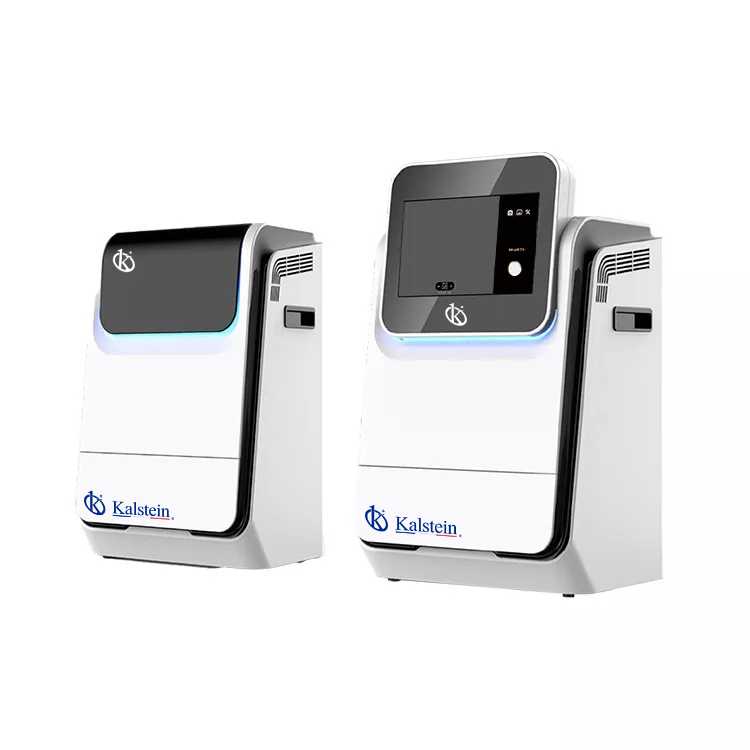
How to Interpret Results and Read Measurements with the YR06209 Mini Multifunctional Imager
The YR06209 Mini Multifunctional Imager is a powerful tool designed for a variety of imaging applications, including chemiluminescence, fluorescence, and protein gel detection. Understanding how to effectively interpret results and accurately read measurements from this device is crucial for achieving reliable outcomes in laboratory settings.
Understanding the YR06209 Mini Multifunctional Imager
The YR06209 stands out as one of the smallest yet most powerful multi-imagers available. Its compact design does not compromise on performance, making it an ideal choice for laboratories requiring precise imaging solutions.
Technical Specifications of the YR06209
| Model | Brand | Category | Price (USD) |
|---|---|---|---|
| YR06209 | Kalstein | Gel documentation | $8714.00 |
| Weight (kg) | Dimensions (cm) | Package Size (cm) | Net Weight |
| 17 | x x | 42 x 43 x 74 |
Interpreting Chemiluminescence Results
Chemiluminescence imaging is one of the primary applications of the YR06209. To interpret these results accurately, users must understand the principles behind chemiluminescence and how to read the resulting images. The intensity of the emitted light correlates with the amount of target analyte present in the sample. Proper calibration and consistent methodology are critical.
When analyzing the results, look for brightness and clarity in the bands formed. Any discrepancies in brightness can indicate variations in sample concentration or experimental errors. Using a standardized protocol helps mitigate these issues, ensuring that results are reproducible.
Reading Fluorescence Measurements
Fluorescence imaging with the YR06209 opens up a range of applications, including protein detection and cellular imaging. The results from fluorescence imaging should be interpreted by analyzing the fluorescence intensity and distribution across the sample. Higher intensities indicate greater quantities of the fluorescently labeled targets.
It’s important to remember that background fluorescence can affect readings. Therefore, a blank control should always be included in your experiments. Additionally, images should be adjusted for exposure time and gain settings to achieve the most accurate representation of the sample.
Common Misinterpretations and How to Avoid Them
Misinterpretations of results can lead to erroneous conclusions. It is vital to be aware of common pitfalls when reading measurements from the YR06209. One common mistake is assuming that higher intensity always means higher target concentration; other factors such as photobleaching and instrument calibration can impact this.
Another frequent error is neglecting to consider the linearity of the detection system. The YR06209 has a specific dynamic range; exceeding this range can lead to saturation and misleading results. Proper understanding of this characteristic is essential for accurate data analysis.
Example Scenarios for Result Interpretation
To illustrate the interpretation of results, consider two scenarios: a successful experiment leading to clear band recognition in chemiluminescence, and an experiment where the results show faint bands that are barely discernible. In the first case, proper sample preparation and optimal imaging settings lead to successful detection. In the second scenario, potential issues could include sample degradation or incorrect imaging parameters.
In both cases, reviewing the experimental setup, including sample preparation, reagent quality, and imaging conditions, is crucial to understanding the results obtained with the YR06209.
Frequently Asked Questions
What are the key features of the YR06209 Mini Multifunctional Imager?
The YR06209 offers high sensitivity, high resolution, and the capability of chemiluminescence and fluorescence imaging. It also includes a removable industrial computer with a touchscreen interface, making it user-friendly and versatile for laboratory applications.
How does the YR06209 compare to other imaging systems in terms of performance?
While there are other imaging systems available, the YR06209 is recognized for its compact size without sacrificing performance. Its ability to handle various applications with high sensitivity and resolution sets it apart from competitors.
What types of samples can I analyze with the YR06209?
The YR06209 is suitable for a variety of sample types, including protein gels, chemiluminescent probes, and fluorescent markers. Its wide application range makes it a versatile tool for many laboratory environments.
How can I ensure accurate results when using the YR06209?
To achieve accurate results, follow standard operating procedures, calibrate the instrument regularly, and use quality reagents. Conducting control experiments and maintaining consistent imaging parameters also contributes to reliable data interpretation.
What maintenance does the YR06209 require?
The YR06209 should be maintained according to the manufacturer's guidelines, which typically include regular cleaning, calibration, and software updates to ensure optimal performance and longevity.
Can I connect the YR06209 to a computer for data analysis?
Yes, the YR06209 features a removable industrial computer that allows for easy data transfer and analysis. Users can utilize the software to manage data efficiently and streamline their workflow.
If you are looking for a fusion of innovation and quality, you have come to the right place. At Kalstein, we offer you the luxury of exploring our exclusive catalog of laboratory equipment. We manufacture every device to the highest standards of excellence. Our intuitive and seamless online purchasing channels are designed for your convenience, securing the most competitive prices. Hesitate no longer — we bring science to life, it is time to become part of our community.