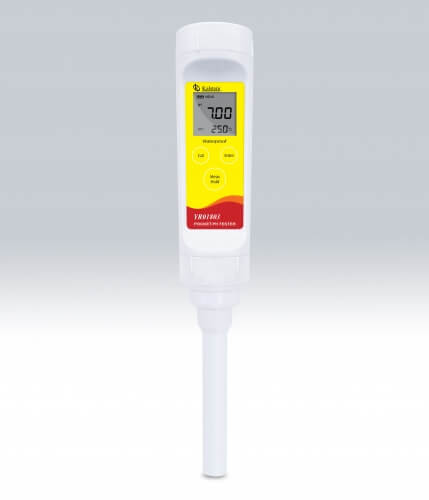
How to Achieve Effective Integration of Portable pH Meters with LIMS for Enhanced Data Workflow
In the fast-evolving landscape of laboratory operations, the integration of portable pH meters with Laboratory Information Management Systems (LIMS) is becoming essential. This article delves deep into how portable pH meters can streamline data workflows, enhance efficiency, and ensure accurate data management in laboratory settings.
Understanding Portable pH Meters and Their Role in Laboratories
Portable pH meters are crucial tools for measuring the acidity or alkalinity of various samples in field and laboratory environments. Their compact size and advanced features make them ideal for various applications, ranging from environmental testing to food safety and research. As laboratories increasingly adopt digital solutions, integrating these devices with LIMS can significantly optimize data handling and retrieval.
Benefits of Integration with LIMS
Integrating portable pH meters with LIMS offers several benefits, including:
- Automated Data Entry: Manual data entry is prone to errors. By automating data transfer from portable pH meters to LIMS, laboratories can reduce the risk of inaccuracies.
- Real-Time Data Monitoring: Integration allows for real-time monitoring of pH levels, which can be critical for timely decision-making in laboratory processes.
- Enhanced Traceability: Linking pH measurements to specific samples within LIMS improves traceability and compliance with industry standards.
Key Features to Look for in Portable pH Meters
When selecting portable pH meters for integration, consider the following features:
- Data Connectivity: Ensure the meter supports connectivity options that facilitate seamless integration with LIMS, such as Bluetooth or USB.
- Calibration Standards: Look for models with multiple calibration points to ensure accuracy across varied sample types. Models like YR01803 offer 1 to 3 point calibration, enhancing accuracy in diverse testing conditions.
- Temperature Compensation: Automatic or manual temperature compensation features, such as those in YR01804, help maintain measurement accuracy across temperature variations.
Comparison of Available Models
| Model | pH Range | Precision | Calibration Points | Data Connectivity | Best For |
|---|---|---|---|---|---|
| YR01803 | -1.00 to 15.00 | ±0.01 | 1 to 3 | USB | Small sample testing |
| YR01804 | -1.00 to 15.00 | ±0.01 | 1 to 3 | Bluetooth | Outdoor applications |
| YR01800 | -1.00 to 15.00 | ±0.2 | 1 to 3 | None | General use |
| YR01802 | -1.00 to 15.00 | ±0.01 | 1 to 3 | USB | Semisolid samples |
Common Mistakes and How to Avoid Them
When integrating portable pH meters with LIMS, laboratories often make mistakes, such as:
- Neglecting Calibration: Regular calibration is crucial. Choose models like YR01803 that offer multiple calibration points to maintain accuracy.
- Ignoring Data Formats: Ensure data formats from pH meters are compatible with LIMS to avoid data loss or misinterpretation.
- Underestimating Training: Staff training on both the pH meters and LIMS is essential for a smooth integration process.
Data Integration Protocols
For successful integration, you should understand the data integration protocols available. Common protocols include:
- ASTM: This protocol standardizes how data is structured, ensuring the pH data can be easily shared across systems.
- HL7: While typically used in healthcare, some laboratories adopt HL7 for integrating pH data within broader laboratory workflows.
Best Practices for Integration
To achieve seamless integration between portable pH meters and LIMS, consider the following best practices:
- Document Data Workflow: Clearly outline how data will flow from the pH meter to LIMS, ensuring all necessary steps are accounted for.
- Test Integration: Before full-scale implementation, conduct trials to identify potential issues in data transmission.
- Regular System Updates: Keep both the LIMS and pH meter firmware updated to ensure compatibility and feature enhancements.
Calibration and Maintenance for Portable pH Meters
Regular calibration is essential to maintaining accuracy. A recommended calibration schedule might include:
| Model | Calibration Frequency | Calibration Points | Recommended Buffer Solutions |
|---|---|---|---|
| YR01803 | Weekly | 1-3 | pH 4.01, 7.00, 10.01 |
| YR01804 | Weekly | 1-3 | pH 4.01, 7.00, 10.01 |
| YR01800 | Monthly | 1-3 | pH 4.01, 7.00 |
| YR01802 | Weekly | 1-3 | pH 4.01, 7.00, 10.01 |
Frequently Asked Questions
How can portable pH meters enhance data workflow in laboratories?
Portable pH meters streamline data workflow by automatically transferring data to LIMS, reducing manual entry errors. For example, models like YR01803 can be integrated via USB for real-time data management.
What are the best practices for integrating portable pH meters with LIMS?
Best practices include documenting data workflows, conducting integration tests, and ensuring regular updates of both LIMS and pH meters, ensuring models like YR01804 operate effectively with LIMS.
How often should I calibrate my portable pH meter for accurate readings?
Calibration frequency depends on usage. Models such as YR01803 recommend weekly calibration to ensure precision in measurements and compliance with industry standards.
What connectivity options should I look for in portable pH meters for LIMS?
Look for models like YR01804 that support Bluetooth or USB connections, facilitating easy integration with LIMS for real-time data transmission and enhanced workflow.
Which portable pH meter is best for environmental testing?
The YR01804 model is ideal for environmental testing due to its outdoor applications capability and robust design, ensuring reliable performance in various conditions.
Can I integrate multiple portable pH meters into a single LIMS?
Yes, multiple portable pH meters can be integrated into a single LIMS system, allowing for comprehensive data collection and management across various experiments and samples.
How does LIMS integration improve compliance in laboratory operations?
LIMS integration helps improve compliance by ensuring accurate data tracking, facilitating audits, and linking measurements from portable pH meters like YR01802 to specific samples.
Why is temperature compensation important in portable pH meters?
Temperature compensation is crucial as pH readings can vary with temperature. Models like YR01803 offer automatic temperature compensation for accurate measurements across a range of conditions.
If you are looking for a fusion of innovation and quality, you have come to the right place. At Kalstein, we offer you the luxury of exploring our exclusive catalog of laboratory equipment. We manufacture every device to the highest standards of excellence. Our intuitive and seamless online purchasing channels are designed for your convenience, securing the most competitive prices. Hesitate no longer — we bring science to life, it is time to become part of our community.