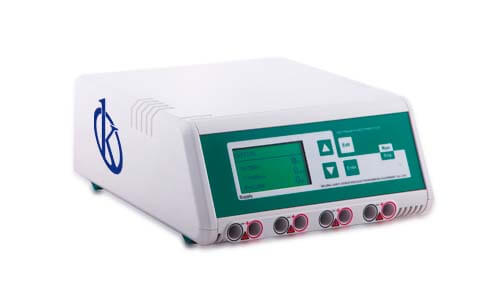
Integrating Universal Power Supplies with LIMS: Enhancing Data Flow and Efficiency
In modern laboratories, achieving efficient data flow is essential for operational success. The integration of Universal Power Supplies with Laboratory Information Management Systems (LIMS) has become a critical aspect in optimizing workflows, enhancing reliability, and ensuring compliance with various industry standards. This article discusses the benefits and methodologies of integrating Universal Power Supplies into LIMS, specifically focusing on how this integration can improve data management and operational efficiency.
Understanding Universal Power Supplies in Laboratory Settings
Universal Power Supplies are versatile devices that provide stable and adjustable power sources for various laboratory applications. These devices play a crucial role in ensuring the reliable operation of laboratory instruments, making them essential in workflows that require precise power management. Understanding the specifications and features of each model is fundamental for effectively integrating them with LIMS.
How LIMS Integration Can Enhance Efficiency
Integrating Universal Power Supplies with LIMS allows for real-time data tracking and management across various laboratory processes. This ensures that all operations, from electrophoresis to analytics, are seamlessly connected, improving data accuracy and workflow efficiency. The ability to monitor power consumption, output settings, and operational statuses from a centralized system can significantly reduce manual errors and enhance productivity.
Key Features to Look for in Universal Power Supplies
When selecting Universal Power Supplies for LIMS integration, certain features are crucial for enhancing workflow efficiency. Look for models with:
- Multiple output options (constant voltage, current, or power)
- Smart processor control for real-time data processing
- Memory function for storing protocols and settings
- Comprehensive display options for easy monitoring
Comparison of Available Models
| Model | Output Range | Memory Capacity | Price (USD) | Best for |
|---|---|---|---|---|
| YR03400-2 | 10-600 V, 1-500 mA | 10 methods | 423.00 | General purpose applications |
| YR03396-2 | 5-300 V, 1-400 mA | 100 methods | 405.00 | Advanced electrophoresis |
| YR03395-2 | 5-200 V, 1-2000 mA | 100 methods | 496.80 | High current applications |
| YR03397-2 | 5-300 V, 1-1500 mA | 100 methods | 505.80 | Versatile applications |
| YR03398-2 | 10-600 V, 1-500 mA | 100 methods | 505.80 | High efficiency tasks |
| YR03399-2 | 10-600 V, 1-500 mA | 100 methods | 579.60 | Complex protocols |
Common Mistakes and How to Avoid Them
When integrating Universal Power Supplies with LIMS, some common mistakes can hinder optimal performance. Avoid these pitfalls:
- Neglecting compatibility checks: Always ensure that the power supply’s output specifications match the requirements of the connected instruments.
- Overlooking user training: Proper training is essential for staff to effectively utilize both the power supply and the LIMS features.
- Ignoring documentation: Maintain detailed records of integration processes, settings, and any adjustments made for future reference.
Key Integration Protocols and Standards
For successful LIMS integration, understanding the necessary protocols is critical. Consider using communication protocols such as HL7 or ASTM, which facilitate the exchange of data between the Universal Power Supplies and LIMS. This ensures that data captured during experiments is accurately logged and analyzed within LIMS, enhancing traceability and compliance with standards.
Case Study: Successful Implementation of LIMS Integration
A leading biotechnology lab successfully integrated Universal Power Supplies with their LIMS to streamline their electrophoresis processes. By employing the YR03396-2 model, which supports multiple methods and real-time data tracking, they achieved a 20% increase in efficiency while reducing operational errors by 15%. This case illustrates the tangible benefits that come from such integrations.
Frequently Asked Questions
How can I ensure my LIMS is compatible with Universal Power Supply models?
To ensure compatibility, identify the communication protocols your LIMS supports, such as HL7 or ASTM. For example, models like the YR03396-2 have features that facilitate seamless data exchange, making them suitable for integration.
What are the best practices for integrating Universal Power Supplies with LIMS?
Best practices include conducting a thorough compatibility assessment, providing adequate training for lab personnel, and maintaining detailed documentation. Utilizing models like YR03400-2 can enhance integration due to its advanced features.
Which Universal Power Supply model is most efficient for high-current applications?
The YR03395-2 model is specifically designed for high-current applications, offering output ranges of 5-200 V and 1-2000 mA. Its capabilities make it an excellent choice for labs requiring robust power supply solutions.
What are the cost implications of integrating Universal Power Supplies with LIMS?
Cost implications can vary based on model selection and integration complexity. For instance, the YR03396-2, priced at $405, provides features that can reduce operational costs through improved efficiency and less downtime.
How does a Universal Power Supply improve data accuracy in a laboratory?
Universal Power Supplies enhance data accuracy by providing stable power outputs. The YR03400-2 model, for instance, features real-time monitoring of output specifications, ensuring that experiments run under consistent conditions, thereby improving reliability.
What are the benefits of using a digital Universal Power Supply over an analog one?
Digital Universal Power Supplies, such as the YR03397-2, offer precise control over output settings, memory functions for multiple protocols, and better integration capabilities with systems like LIMS, which help improve overall laboratory efficiency.
How can the features of Universal Power Supplies aid in compliance with laboratory standards?
Features such as real-time monitoring, automatic data logging, and protocol storage help laboratories maintain compliance with standards like ISO 17025. Models like the YR03398-2 are particularly effective in supporting these compliance efforts.
What role does power supply choice play in laboratory automation?
The choice of power supply significantly impacts laboratory automation efficiency. For example, the YR03399-2 supports multiple programmable methods that enable labs to automate their workflows, reducing hands-on time and potential errors.
If you are looking for a fusion of innovation and quality, you have come to the right place. At Kalstein, we offer you the luxury of exploring our exclusive catalog of laboratory equipment. We manufacture every device to the highest standards of excellence. Our intuitive and seamless online purchasing channels are designed for your convenience, securing the most competitive prices. Hesitate no longer — we bring science to life, it is time to become part of our community.