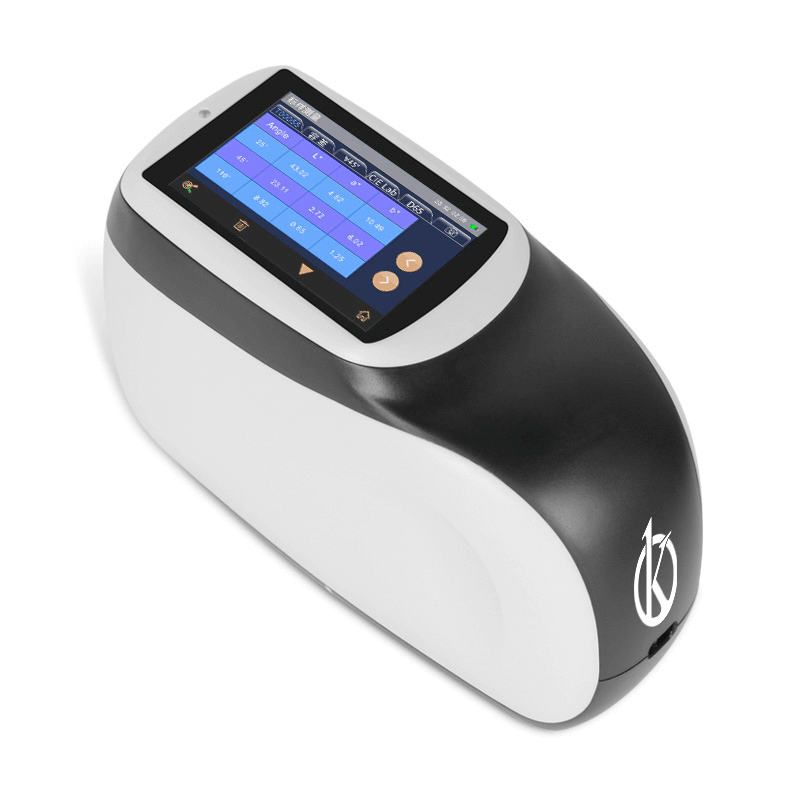
Integrating Multi-Angle Spectrophotometers with LIMS for Data Workflow Optimization
As laboratories continually seek to enhance operational efficiency and achieve higher accuracy in measurements, the integration of Multi-Angle Spectrophotometers (MAS) with Laboratory Information Management Systems (LIMS) becomes paramount. This article explores the significance of this integration, focusing on how it streamlines data workflows, improves measurement accuracy, and adheres to industry standards.
Understanding Multi-Angle Spectrophotometers
Multi-Angle Spectrophotometers, such as the YR05491 and YR05492 models, are designed to measure color differences effectively, providing various angles and settings for diverse applications. The YR05491 features 8 measurement angles with high precision, while the YR05492 boasts 12 angles, offering enhanced capabilities for complicated surfaces.
The Importance of LIMS Integration
Integrating MAS with LIMS allows laboratories to automate data collection, manage sample tracking, and ensure compliance with industry standards. This integration reduces human errors and enhances data reliability, making it easier to meet regulatory requirements.
Benefits of Integrating Multi-Angle Spectrophotometers with LIMS
The benefits of this integration are numerous:
- Enhanced Data Accuracy: Automation reduces errors related to manual data entry.
- Efficient Workflow: Data flows seamlessly from the instrument to the LIMS, enhancing productivity.
- Regulatory Compliance: Facilitates adherence to standards such as ISO 17025.
Key Connectivity Protocols for Integration
When integrating MAS with LIMS, it is essential to consider connectivity protocols that ensure smooth communication. Protocols such as ASTM and HL7 are widely used to standardize data exchange between instruments and management systems.
Comparison of Available Models
| Model Code | Measurement Angles | Supported Protocols | Best for |
|---|---|---|---|
| YR05491 | 8 angles | ASTM, ISO | General applications in color measurement |
| YR05492 | 12 angles | ASTM, ISO | Complex surface analysis |
| YR05488 | 3 angles | ASTM, ISO | Basic color difference measurements |
| YR05489 | 5 angles | ASTM, ISO | Advanced applications requiring precision |
| YR05490 | 3 angles | ASTM, ISO | Standard color measurement tasks |
Common Mistakes and How to Avoid Them
When integrating MAS with LIMS, common pitfalls include neglecting to validate the data management processes and failing to update software protocols. Ensuring comprehensive training for staff and regularly checking for software updates can mitigate these issues.
Optimizing Measurement Accuracy with Multi-Angle Spectrophotometers
To maximize the measurement accuracy of models like YR05491 and YR05492, laboratories should implement a regular calibration schedule and follow strict maintenance protocols. These practices ensure that the devices perform consistently and meet the required standards.
Key Challenges in Integration and Solutions
One of the main challenges in integrating MAS with LIMS is the compatibility of data formats. Utilizing middleware solutions can bridge the gap between systems, allowing for coherent data transfer and management.
Frequently Asked Questions
How does LIMS integration improve data reliability in Multi-Angle Spectrophotometers?
Integrating LIMS with Multi-Angle Spectrophotometers like the YR05492 enhances data reliability by automating data entry, thereby minimizing human error. This system ensures consistency and compliance with standards such as ISO 17025.
What are the connectivity protocols supported by Multi-Angle Spectrophotometers?
Multi-Angle Spectrophotometers, including the YR05491, support connectivity protocols like ASTM and HL7. These protocols facilitate seamless communication between the spectrophotometer and LIMS, ensuring efficient data handling.
Which Multi-Angle Spectrophotometer is best for complex surface measurements?
The YR05492 model is best suited for complex surface measurements as it offers 12 measurement angles. Its advanced capabilities are ideal for analyzing intricate color differences effectively.
How frequently should Multi-Angle Spectrophotometers be calibrated for optimal performance?
For optimal performance, Multi-Angle Spectrophotometers like the YR05488 should be calibrated regularly, typically every 6 months, to ensure accurate measurements and compliance with industry standards.
What role does automation play in the LIMS integration of spectrophotometers?
Automation plays a crucial role in LIMS integration by streamlining data entry and sample tracking. This significantly reduces errors and enhances workflow efficiency in laboratories using instruments such as the YR05489.
How can laboratories ensure they meet ISO 17025 compliance with Multi-Angle Spectrophotometers?
Laboratories can ensure ISO 17025 compliance by implementing strict quality management systems, maintaining detailed records of instrument calibration, and utilizing Multi-Angle Spectrophotometers that adhere to relevant standards, such as the YR05490.
In what scenarios should a laboratory choose between different models of Multi-Angle Spectrophotometers?
A laboratory should choose between different models based on specific application needs. For instance, the YR05491 is ideal for general applications, while the YR05492 is better for advanced analysis requiring multiple angles.
What are the maintenance requirements for Multi-Angle Spectrophotometers?
Maintenance requirements for Multi-Angle Spectrophotometers, such as the YR05488, include regular cleaning, calibration, and software updates to ensure accuracy and reliability in measurements.
If you are looking for a fusion of innovation and quality, you have come to the right place. At Kalstein, we offer you the luxury of exploring our exclusive catalog of laboratory equipment. We manufacture every device to the highest standards of excellence. Our intuitive and seamless online purchasing channels are designed for your convenience, securing the most competitive prices. Hesitate no longer — we bring science to life, it is time to become part of our community.