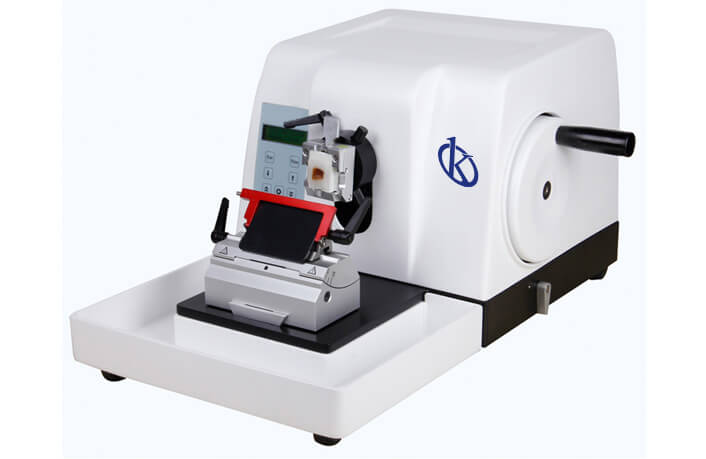
Integrating Microtomes with LIMS: Streamlining Data Workflow
In the field of pathological anatomy, the integration of microtomes with Laboratory Information Management Systems (LIMS) is becoming increasingly vital. This integration allows for seamless data flow, enhancing operational efficiency and ensuring compliance with industry standards. Microtomes, essential for preparing samples in histology, can significantly benefit from digitalization, enabling laboratories to optimize their workflows and improve data management.
Understanding LIMS and Microtome Integration
LIMS provides a framework for managing laboratory samples, associated data, and workflows efficiently. By integrating microtomes into this system, laboratories can automate data entry, enhance traceability, and facilitate easier access to vital information. Such integration ensures that the data generated during the microtome operation, including cutting thickness and specimen details, are directly recorded into the LIMS, reducing the potential for human error and ensuring data integrity.
Comparison of Available Models
| Model | Price (USD) | Best For | LIMS Integration Potential |
|---|---|---|---|
| YR417-1 | 5200.00 | General-purpose cutting for histology | Moderate effort, basic connectivity |
| YR416 | 3600.00 | High precision needs | High effort, advanced protocols |
| YR417 | 4000.00 | Research laboratories | Moderate effort, suitable for multiple protocols |
| YR420 | 2400.00 | General histological applications | Easy integration, standard protocols |
| YR421 | 2400.00 | Versatile laboratory environments | Moderate integration, adaptable |
| YR422 | 1200.00 | Budget-friendly histology | Basic integration, less effort |
Key Benefits of Microtome and LIMS Integration
Integrating microtomes like the YR416 and YR420 with LIMS streamlines the entire workflow within histopathological labs. It improves data accuracy, minimizes errors in sample handling, and accelerates the turnaround time for results. Traceability features within LIMS allow laboratories to monitor each step of the sample handling process, which is crucial for quality assurance and compliance with standards.
Common Mistakes and How to Avoid Them
One common mistake laboratories make during integration is underestimating the complexity of data transfer. It is essential to thoroughly evaluate the compatibility of microtome models with existing LIMS solutions. Opting for models that support advanced data protocols is critical in ensuring a smooth integration process, which can save time and resources in the long run.
Challenges in Integrating Microtomes with LIMS
While the benefits are substantial, challenges remain in integrating microtomes with LIMS. One prominent challenge is ensuring that all user interfaces between devices and software are compatible. Additionally, training staff to use integrated systems effectively can require significant investment in time and resources.
Strategies for Successful Integration
To successfully integrate microtomes with LIMS, laboratories should focus on selecting models that offer robust connectivity options and are capable of supporting the required protocols. Engaging with LIMS providers early in the selection process can help identify models with pre-built integrations or those that can easily customize interfaces to meet the laboratory’s needs.
Case Studies of Successful Microtome Integrations
Several laboratories have successfully integrated microtomes with their LIMS, demonstrating improved efficiency and data accuracy. For example, a research facility utilizing the YR417 model noticed a 30% reduction in sample processing time after integration, showcasing the potential impact of such technological advancements.
Frequently Asked Questions
How can a microtome like YR416 enhance data management in a histology lab?
The YR416 microtome, when integrated with LIMS, significantly enhances data management by automating data entry and ensuring accurate recording of sample information, which is crucial for traceability.
What are the main protocols supported by microtomes for LIMS integration?
Microtomes such as the YR420 typically support standard data transfer protocols like HL7 and ASTM, making integration with various LIMS systems feasible and efficient.
Which features improve the LIMS integration of YR422 microtome?
The YR422 microtome features a user-friendly interface and basic connectivity options that simplify LIMS integration, making it an ideal choice for budget-conscious laboratories.
What is the typical cost of integrating a microtome model with LIMS?
Integration costs can vary, but models like the YR416 generally require a higher investment due to their advanced features and protocols, typically starting around $3600.
How does the YR417 model contribute to compliance with industry standards?
The YR417 model enhances compliance by ensuring precise cutting and data logging, which is essential for meeting industry standards like ISO 15189 in histopathology labs.
What is the expected return on investment for LIMS-integrated microtomes?
Laboratories can expect a return on investment within 1-2 years due to increased efficiency and reduced errors, particularly with models like the YR416 that optimize workflow.
Can microtome models adapt to various laboratory workflows?
Yes, models like the YR421 are designed to be versatile, allowing adaptation to different workflows while maintaining data integrity when integrated with LIMS.
How does integrating microtomes with LIMS improve operational efficiency?
Integration streamlines workflows by automating data entry and enhancing traceability, which significantly reduces sample handling errors and accelerates results delivery.
If you are looking for a fusion of innovation and quality, you have come to the right place. At Kalstein, we offer you the luxury of exploring our exclusive catalog of laboratory equipment. We manufacture every device to the highest standards of excellence. Our intuitive and seamless online purchasing channels are designed for your convenience, securing the most competitive prices. Hesitate no longer — we bring science to life, it is time to become part of our community.