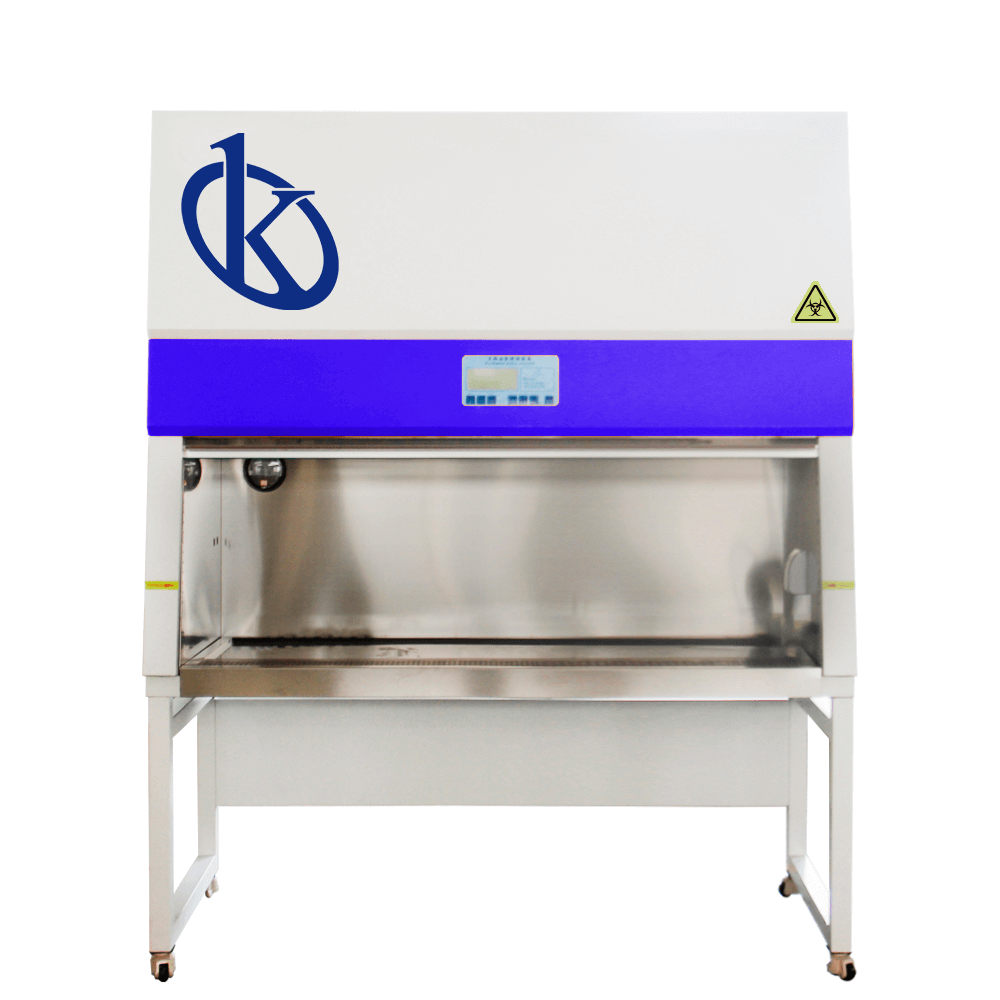
Integrating LIMS and Data Digitalization in Class II Biosafety Cabinets
In modern laboratories, the need for integration between Laboratory Information Management Systems (LIMS) and biosafety cabinets is becoming increasingly vital. This integration not only enhances safety and compliance but also streamlines workflows and data management processes. Class II Biosafety Cabinets are essential in protecting both the operator and the environment from hazardous biological agents. In this article, we will delve into how integrating LIMS with Class II Biosafety Cabinets can revolutionize laboratory operations, enhance efficiency, and ensure compliance with health and safety standards.
Understanding the Role of Class II Biosafety Cabinets
Class II Biosafety Cabinets (BSCs) are designed to provide both product and operator protection while containing hazardous biological agents. They utilize a combination of airflow mechanisms, including laminar airflow and HEPA filtration, to ensure a sterile working environment. The integration of these cabinets with LIMS allows for real-time monitoring and data management, which is essential for compliance with various regulatory standards, including ISO 14644.1 for cleanliness.
Importance of LIMS Integration in Laboratory Operations
The integration of LIMS with laboratory equipment, such as Class II Biosafety Cabinets, allows for better data management, tracking, and communication across laboratory systems. LIMS can facilitate the recording of experimental data, sample tracking, and regulatory compliance, which are crucial for laboratories conducting sensitive research. This integration enhances traceability and improves operational efficiency by minimizing manual data entry errors.
Key Features of Class II Biosafety Cabinets and Their LIMS Integration
Class II Biosafety Cabinets come with several features that can be enhanced through LIMS integration:
- HEPA Filtration: Ensures the highest level of air cleanliness standards. Integration with LIMS can allow for automated monitoring of filter performance.
- Variable Airflow: Adjustable airflow speeds can be monitored and controlled via LIMS, ensuring optimal performance under different laboratory conditions.
- Alarms and Notifications: Integrated systems can send alerts related to airflow issues or filter saturation, prompting timely maintenance and compliance checks.
- User Access Control: LIMS can manage user permissions and access logs for BSCs, enhancing safety protocols and compliance with regulatory standards.
Models of Class II Biosafety Cabinets and Their Features
Various models of Class II Biosafety Cabinets offer different capabilities that can significantly benefit from LIMS integration:
| Model Code | Model Name | Description | Best For |
|---|---|---|---|
| YR05704 | 100% Exhaust Class II A2 Biosafety Cabin YR05704 | This model includes a vertical laminar flow design with 30% air exhausted externally, ideal for minimizing cross-contamination. | Microbial culture work and viral assays. |
| YR05705 | 100% Exhaust Class II A2 Biosafety Cabin YR05705 | Features adjustable glass doors for ease of operation, perfect for labs requiring frequent access while maintaining sterility. | Clinical research and diagnostics. |
| YR05706 | 100% Exhaust Class II A2 Biosafety Cabin YR05706 | Offers enhanced airflow control, helping labs adhere to strict cleanliness standards. | Pharmaceutical testing and vaccine development. |
| YR0090-A | Biosafety Cabinet Class II A2 YR0090-A | This model is designed for superior operator and environment protection in a compact form. | Small-scale microbiological work. |
| YR05270 | Biosafety Cabinet Class II YR05270 | Standard with HEPA filters, this cabinet is equipped for stability and reliability in operations. | General laboratory use and biotechnological applications. |
| YR05271 | Biosafety Cabinet Class II YR05271 | Similar to YR05270, this model offers a compact footprint without sacrificing functionality. | Academic research and teaching labs. |
Benefits of Data Digitalization in Laboratory Environments
Digitalization in laboratory settings, especially when integrated with LIMS, offers numerous advantages:
- Real-Time Data Access: Laboratory personnel can access real-time data, facilitating immediate decision-making.
- Improved Compliance: Digital records are easier to manage and audit, ensuring compliance with regulations like ISO 17025.
- Cost Efficiency: Reduces manual data entry and related errors, leading to savings in time and resources.
- Streamlined Workflows: Automating data collection allows for more efficient laboratory operations, enhancing throughput.
Comparison of Available Models
| Model | Price (USD) | Work Area Dimensions (mm) | Best For |
|---|---|---|---|
| YR05704 | 1600.00 | 840 × 650 × 620 | Microbial culture work |
| YR05705 | 1650.00 | 1040 × 650 × 620 | Clinical research |
| YR05706 | 2150.00 | 1340 × 650 × 620 | Pharmaceutical testing |
| YR0090-A | 1260.00 | 600 × 500 × 520 | Small-scale microbiological work |
| YR05270 | 2750.00 | 206 × 103.5 × 742 | General laboratory use |
| YR05271 | 2940.00 | 206 × 134 × 74 | Academic research |
Common Mistakes and How to Avoid Them
Integrating LIMS with Class II Biosafety Cabinets requires careful planning and awareness of potential pitfalls. Common mistakes include:
- Neglecting User Training: Ensure all laboratory personnel are adequately trained in using both the biosafety cabinet and the LIMS for optimal compliance and performance.
- Inadequate Data Management: Implement strict protocols for data entry and management to avoid inconsistencies.
- Ignoring Maintenance Protocols: Regular maintenance checks are essential to ensure the biosafety cabinet operates effectively, particularly in a connected environment.
Frequently Asked Questions
How can LIMS integration enhance the performance of Class II biosafety cabinets?
LIMS integration enhances the performance of Class II biosafety cabinets by providing real-time monitoring of airflow and filter performance. For instance, models like YR05704 allow laboratories to automate data collection, which ensures compliance with cleanliness standards such as ISO 14644.1, minimizing human error in reporting.
What specific protocols should be followed for LIMS integration in biosafety cabinets?
When integrating LIMS with biosafety cabinets, it's crucial to follow protocols such as ASTM standards for data interoperability and HL7 for health data exchange. Class II models like YR05705 can facilitate tracking and compliance with these protocols, ensuring that data flows seamlessly and accurately.
Which Class II biosafety cabinet is best for high-throughput environments?
For high-throughput environments, the YR05706 biosafety cabinet is ideal due to its enhanced airflow control and larger workspace dimensions. This model's integration with LIMS can streamline workflows, making it more suitable for labs that require rapid processing of samples.
How does the integration of LIMS affect the cost of operating Class II biosafety cabinets?
Integrating LIMS with Class II biosafety cabinets can significantly reduce operational costs by minimizing manual data entry and enhancing workflow efficiency. For example, utilizing the YR05270 model can lead to reduced labor costs and fewer compliance-related penalties, making the investment worthwhile.
What maintenance checks are necessary for LIMS-integrated biosafety cabinets?
Regular maintenance should include checks on airflow velocity, filter integrity, and calibration of digital monitoring systems. For models like YR0090-A, which is compact yet versatile, ensuring these checks are performed can maintain operational efficiency and compliance with safety standards.
Can LIMS integration assist in ensuring compliance with biosafety regulations?
Yes, LIMS integration can significantly assist in ensuring compliance with biosafety regulations by providing automated documentation and monitoring capabilities. Class II biosafety cabinets such as the YR05271 are equipped to work seamlessly with LIMS to maintain logs that comply with ISO 17025 and other relevant standards.
What are the challenges of integrating LIMS with biosafety cabinets?
Some challenges include ensuring compatibility between systems, training personnel on new technologies, and maintaining data integrity. For instance, the YR05705 model may require specific configurations for successful integration into existing LIMS setups, which necessitates careful planning and execution.
How does digitalization enhance laboratory safety in biosafety cabinets?
Digitalization enhances safety by enabling real-time data monitoring and immediate alerts for deviations in cabinet performance. With models like the YR05704, laboratories can ensure that air quality and safety protocols are maintained, reducing the risk of exposure to hazardous materials.
If you are looking for a fusion of innovation and quality, you have come to the right place. At Kalstein, we offer you the luxury of exploring our exclusive catalog of laboratory equipment. We manufacture every device to the highest standards of excellence. Our intuitive and seamless online purchasing channels are designed for your convenience, securing the most competitive prices. Hesitate no longer — we bring science to life, it is time to become part of our community.