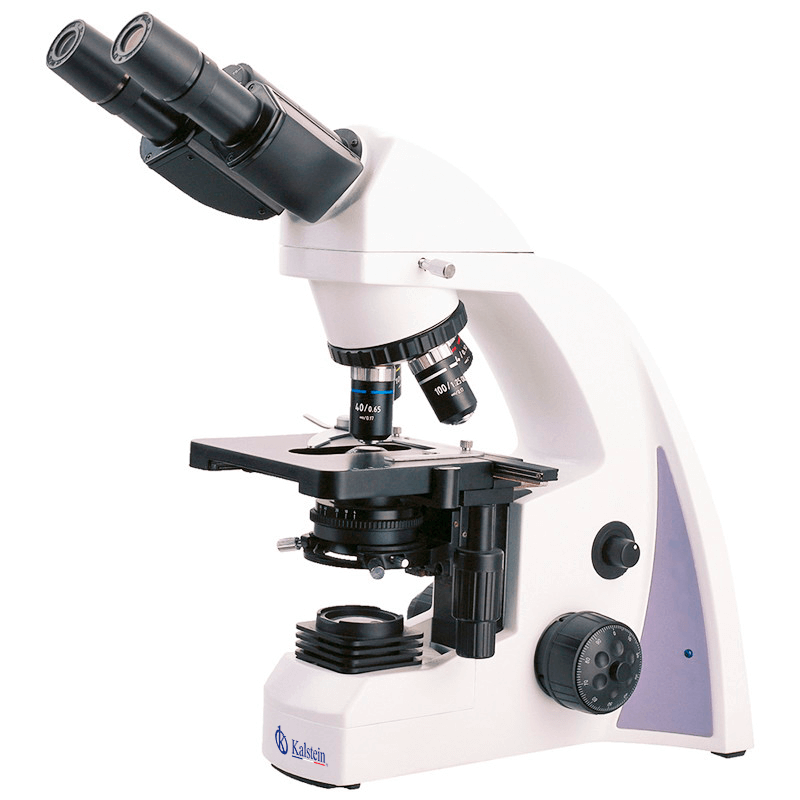
How to Integrate Laboratory Microscopes with LIMS for Data Digitalization
Laboratory microscopes have been a cornerstone of research and diagnostic practices in various fields, from biology to materials science. However, as laboratories increasingly embrace digitalization, the integration of these microscopes with Laboratory Information Management Systems (LIMS) becomes imperative. This integration not only streamlines data flow but also enhances the reliability of results and compliance with industry standards.
Understanding LIMS Integration and Its Importance
LIMS integration refers to the seamless connection between laboratory instruments, such as microscopes, and the software systems that manage data and operations. It allows for the automatic transfer of data from the microscope to the LIMS, significantly reducing manual entry errors and improving data traceability. By automating workflows, laboratories can achieve higher efficiency and lower operational costs.
Key Features of Laboratory Microscopes for LIMS Integration
When selecting laboratory microscopes for effective LIMS integration, it's crucial to consider specific features that facilitate this process. These include:
- Connectivity Options: Look for microscopes that support standard data protocols such as HL7, ASTM, and RESTful APIs.
- Data Export Formats: Ensure that your microscope can export data in formats compatible with LIMS.
- Real-time Data Transfer: The ability to send data instantly to the LIMS system enhances real-time monitoring and decision-making.
Comparison of Available Models
| Model | Connectivity | Protocols Supported | Integration Effort | Best For |
|---|---|---|---|---|
| YR0237-0-1 | USB | HL7 | Low | Routine examinations |
| YR0237-1 | Ethernet | ASTM | Medium | Research applications |
| YR0237-1-1 | Wi-Fi | RESTful API | Low | Field studies |
Challenges in Integrating with LIMS
While the benefits of LIMS integration are clear, laboratories often face challenges during the process. These include:
- Cost of Implementation: The initial setup and training can be significant, requiring investment in both equipment and personnel.
- Software Compatibility: Ensuring that all systems and instruments can communicate effectively can be complex.
- Data Management: Maintaining data integrity and security during transfer is critical to avoid compliance issues.
Best Practices for Effective Integration
To achieve a successful integration of laboratory microscopes with LIMS, consider the following best practices:
- Conduct a Needs Assessment: Understand the specific requirements and workflows of your laboratory to select suitable models.
- Involve All Stakeholders: Engage staff from different departments to ensure that the integration meets everyone's needs.
- Regular Training: Provide ongoing training to staff to make the most of the integrated system, improving adoption and reducing errors.
Common Mistakes and How to Avoid Them
Many laboratories make mistakes during the integration process that can hinder success. Here are some common pitfalls:
- Neglecting User Input: Failing to involve end-users during the selection and integration phases can lead to resistance and usability issues.
- Ignoring Compliance Standards: Ensure that the integration process adheres to relevant regulations to avoid legal issues.
- Underestimating Maintenance Needs: Regular maintenance and updates are essential for the longevity of both microscopes and LIMS.
Frequently Asked Questions
How does LIMS integration improve data accuracy in laboratory microscopes?
LIMS integration significantly enhances data accuracy by automating data transfer from models like YR0237-1 to the information system, minimizing the risk of human error associated with manual entries. This is particularly important in ensuring compliance with standards such as ISO 17025.
What are the connectivity options for laboratory microscopes in LIMS?
Laboratory microscopes like the YR0237-0-1 offer various connectivity options including USB and Ethernet, enabling seamless integration with LIMS systems. Choosing the right connectivity is crucial for efficient data management.
Which protocols are essential for effective LIMS integration with microscopes?
Essential protocols for LIMS integration with microscopes include HL7, ASTM, and RESTful APIs. Models like YR0237-1-1 support these protocols, facilitating efficient data exchange and compliance with laboratory standards.
What are the benefits of real-time data transfer in laboratory settings?
Real-time data transfer allows immediate access to results, which aids in timely decision-making and enhances workflow efficiency. This is particularly useful in fast-paced environments where models like YR0237-1 are used.
How can laboratories ensure compliance during LIMS integration?
To ensure compliance, laboratories should follow industry standards such as ISO 17025 and conduct regular audits. Properly integrating models like YR0237-0-1 can help maintain compliance through accurate data reporting.
What training is needed for staff using integrated laboratory microscopes?
Staff training should focus on the operation of both the microscope and the LIMS software, covering data entry, reporting, and compliance protocols. Regular training sessions can enhance user proficiency and system reliability.
How much does LIMS integration cost for laboratory microscopes?
The cost of LIMS integration varies depending on the microscope model and software complexity. For instance, integrating a model like YR0237-1 may incur initial setup costs but can lead to long-term savings through improved workflow efficiency.
What are common integration pitfalls in laboratories?
Common pitfalls include ignoring user input and underestimating the need for training and maintenance. It's essential to involve users early and plan for ongoing support to optimize the use of integrated models like YR0237-1-1.
If you are looking for a fusion of innovation and quality, you have come to the right place. At Kalstein, we offer you the luxury of exploring our exclusive catalog of laboratory equipment. We manufacture every device to the highest standards of excellence. Our intuitive and seamless online purchasing channels are designed for your convenience, securing the most competitive prices. Hesitate no longer — we bring science to life, it is time to become part of our community.