Integrating Industrial Ovens with LIMS: Data Flow Digitalization
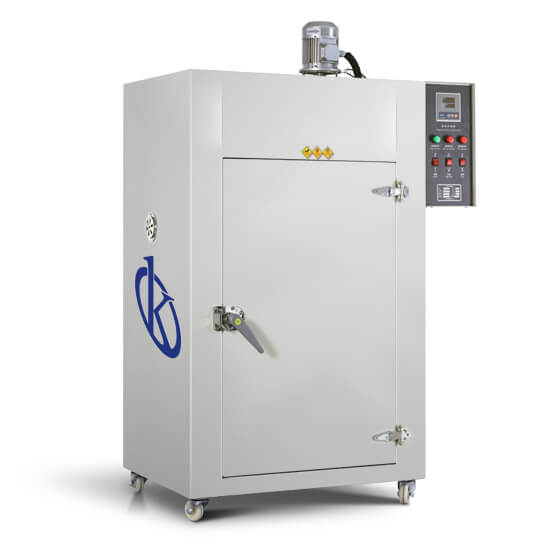
In today's fast-paced industrial environment, the integration of laboratory instruments with Laboratory Information Management Systems (LIMS) is crucial for enhancing efficiency and data management. Industrial ovens, such as the Electric Heating Drying Stove YR05256-A and YR05257-1-A, serve diverse functions in various sectors, including pharmaceuticals and electronics. This article delves into how these ovens can be effectively integrated with LIMS to optimize data flow and improve operational workflows.
Understanding the Importance of LIMS Integration
LIMS integration is essential for modern laboratories, as it allows for seamless data transfer between devices and management systems. This process ensures that data is accurate, traceable, and readily available for analysis. By integrating industrial ovens with LIMS, organizations can achieve real-time monitoring of oven performance, track material processing times, and facilitate regulatory compliance.
Key Features of Industrial Ovens
Industrial ovens like the YR05256-A and YR05258-SS boast several features, including microcomputer temperature control, digital displays, and uniform heat flow via centrifugal fans. These features contribute to their efficacy in product drying and material processing in high-demand environments.
Integration Protocols: How to Connect Ovens with LIMS
Integrating industrial ovens with LIMS often involves utilizing specific connectivity protocols such as HL7, ASTM, and REST APIs. These protocols facilitate the bidirectional transfer of data, ensuring that operational parameters and outputs are accurately recorded in the LIMS.
Benefits of Digitalizing Data Flows
The digitalization of data flows between industrial ovens and LIMS enables enhanced accuracy in reporting and compliance. For example, data from the Electric Heating Drying Stove YR05259-1 (SS) can be automatically logged, reducing human error and improving the reliability of results.
Comparison of Available Models
| Model | Temperature Range (°C) | Volume (liters) | Power (kW) | Best For |
|---|---|---|---|---|
| YR05256-A | RT+5 to 250 | 300 | 4 to 6 | Batch drying processes |
| YR05257-1-A | RT+5 to 250 | 864 | 8 to 12 | High-volume industrial applications |
| YR05258-SS | RT+5 to 250 | 300 | 4 to 6 | Electronics and jewelry sectors |
| YR05259-1-SS | RT+5 to 250 | 864 | 8 to 12 | Complex drying requirements |
Common Mistakes and How to Avoid Them
One common mistake in LIMS integration is underestimating the complexity of data mapping between the industrial oven and the LIMS. It is crucial to ensure that all relevant parameters are captured and accurately transmitted. Additionally, failing to provide adequate training for staff on the new system can hinder the effectiveness of the integration.
Frequently Asked Questions
How can I integrate an industrial oven with LIMS effectively?
To effectively integrate an industrial oven like the YR05257-1-A with LIMS, ensure you utilize suitable connectivity protocols such as REST APIs and establish a clear mapping of data points for seamless transfer.
What are the main benefits of using LIMS with industrial ovens?
Using LIMS with industrial ovens enables real-time data tracking, improved accuracy in reporting, and enhanced compliance with industry standards, ultimately leading to more efficient processes.
Which industrial ovens are best for high-volume applications in labs?
The Electric Heating Drying Stove YR05257-1-A is particularly suited for high-volume applications due to its larger capacity and powerful heating capabilities, making it ideal for industrial laboratories.
What is the temperature range for the YR05258-SS industrial oven?
The YR05258-SS industrial oven offers a temperature range from RT+5 to 250°C, making it versatile for various drying processes within different industries.
How does LIMS enhance data management in laboratories?
LIMS enhances data management by automating the collection, storage, and analysis of data generated by laboratory equipment, including industrial ovens like the YR05256-A, thereby minimizing errors and improving efficiency.
How frequently should calibration be performed on industrial ovens?
Calibration of industrial ovens such as the YR05259-1-SS should be performed regularly, ideally every six months, to ensure accuracy and compliance with industry standards.
What regulatory compliance can I achieve by integrating ovens with LIMS?
Integrating ovens with LIMS can help achieve compliance with industry regulations like ISO 17025, as it allows for comprehensive tracking and documentation of temperature and operational parameters.
How does data flow digitalization impact productivity in labs?
Data flow digitalization enhances productivity by streamlining processes and reducing time spent on data entry and analysis, particularly for industrial ovens like the YR05258-SS that require precise temperature monitoring.
If you are looking for a fusion of innovation and quality, you have come to the right place. At Kalstein, we offer you the luxury of exploring our exclusive catalog of laboratory equipment. We manufacture every device to the highest standards of excellence. Our intuitive and seamless online purchasing channels are designed for your convenience, securing the most competitive prices. Hesitate no longer — we bring science to life, it is time to become part of our community.