Integrating Explosion-Proof Cabinets with LIMS and Data Workflow Digitalization
In laboratory environments, the safety and management of hazardous materials is crucial. Explosion-proof cabinets are designed to provide secure storage for flammable and hazardous materials, while also ensuring compliance with safety regulations. This article focuses on how integration with Laboratory Information Management Systems (LIMS) and data workflow digitalization can enhance the functionality and safety of explosion-proof cabinets.
Understanding the Role of Explosion-Proof Cabinets
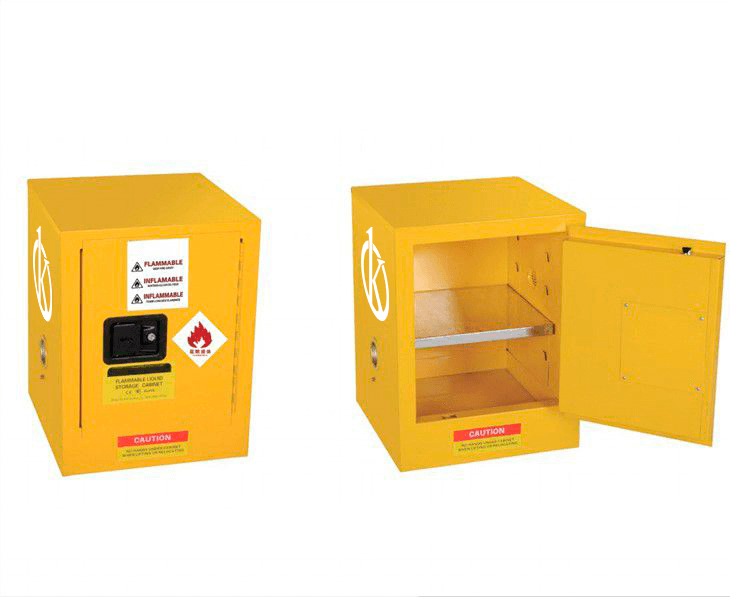
Explosion-proof cabinets are essential for laboratories handling volatile substances. These cabinets are designed to minimize the risk of fire or explosion, providing a secure environment for storage. The integration of these cabinets with LIMS enhances safety through improved tracking, management, and compliance.
Benefits of LIMS Integration
Integrating explosion-proof cabinets with LIMS allows for real-time data transfer related to inventory management, safety protocols, and compliance. LIMS can automate reporting requirements, ensuring that all hazardous materials are logged correctly and that safety data sheets (SDS) are accessible when needed. This reduces human error and enhances laboratory efficiency.
Key Models of Explosion-Proof Cabinets
When considering explosion-proof cabinets for integration with LIMS, it’s crucial to evaluate the specific models available. Below is a comparison of several models:
| Model | Volume (Gallons) | Color Coding | Weight (Kg) | Price (USD) |
|---|---|---|---|---|
| YR05464-1 | 2-4 | Yellow (Flammable) | 21 | 75.00 |
| YR05464-2 | 2-4 | Red (Combustible) | 21 | 75.00 |
| YR05465 | 2-4 | Blue (Corrosive) | 21 | 107.00 |
| YR05465-1 | 2-4 | Yellow (Flammable) | 21 | 107.00 |
| YR05465-2 | 2-4 | Red (Combustible) | 21 | 107.00 |
Common Mistakes and How to Avoid Them
When integrating explosion-proof cabinets with LIMS, common mistakes include inadequate training on LIMS functionality, neglecting safety data management, and poor data entry practices. To avoid these pitfalls, ensure comprehensive training for all laboratory personnel on both the cabinets and LIMS procedures. Regular audits and updates of safety data sheets can also enhance compliance and safety.
Current Trends in Data Workflow Digitalization
Digitalization in laboratory workflows is rapidly advancing, with technologies allowing for automated inventory management and real-time data analysis. This trend is applicable to explosion-proof cabinets, where digital tools can enhance monitoring of storage conditions and compliance with safety regulations.
Case Studies: Successful Integrations
Several laboratories have successfully integrated explosion-proof cabinets with LIMS to improve data management and safety. For instance, a pharmaceutical lab implemented real-time tracking of hazardous materials, significantly reducing compliance errors and enhancing safety protocols. The use of model YR05465 proved effective due to its robust construction suitable for storing corrosive materials.
Frequently Asked Questions
How does LIMS integration improve safety in explosion-proof cabinets?
LIMS integration enhances safety by automating tracking and compliance checks of hazardous materials stored in explosion-proof cabinets like the YR05464-1 model, ensuring timely access to safety data sheets and reducing human error.
What features should I look for in explosion-proof cabinets for LIMS use?
Look for features such as automated data logging, color coding for various materials, and secure locking mechanisms in models like YR05465, which meet safety standards and facilitate compliance with LIMS.
How can data workflow digitalization enhance laboratory safety?
Data workflow digitalization enhances laboratory safety by providing real-time visibility into the status of hazardous materials and ensuring compliance with regulations. Integration with cabinets like YR05464-2 supports efficient management of safety data.
What are the compliance requirements for explosion-proof cabinets?
Compliance requirements for explosion-proof cabinets include adhering to safety standards specified by regulatory bodies. Models like YR05465-1 are designed for flammable materials and must be used within specified guidelines to ensure safety.
Can explosion-proof cabinets be customized for specific laboratory needs?
Yes, many manufacturers offer customization options for explosion-proof cabinets. For instance, the YR05465-2 model can be tailored in terms of shelving and locking mechanisms to fit specific safety and storage needs.
What role does color coding play in explosion-proof cabinet safety?
Color coding helps identify the type of hazardous materials stored within explosion-proof cabinets. For example, model YR05464-1 is yellow for flammable liquids, enhancing safety through visual management in the laboratory.
How do I ensure I am compliant with safety regulations using explosion-proof cabinets?
To ensure compliance, regularly audit storage practices, maintain accurate inventory records in LIMS, and ensure that models like YR05464-2 are equipped with the necessary features to meet safety standards.
What is the cost-effectiveness of integrating LIMS with explosion-proof cabinets?
Integrating LIMS with explosion-proof cabinets like the YR05465 can lead to significant long-term savings by reducing compliance errors and improving inventory management, ultimately streamlining laboratory operations.
If you are looking for a fusion of innovation and quality, you have come to the right place. At Kalstein, we offer you the luxury of exploring our exclusive catalog of laboratory equipment. We manufacture every device to the highest standards of excellence. Our intuitive and seamless online purchasing channels are designed for your convenience, securing the most competitive prices. Hesitate no longer — we bring science to life, it is time to become part of our community.