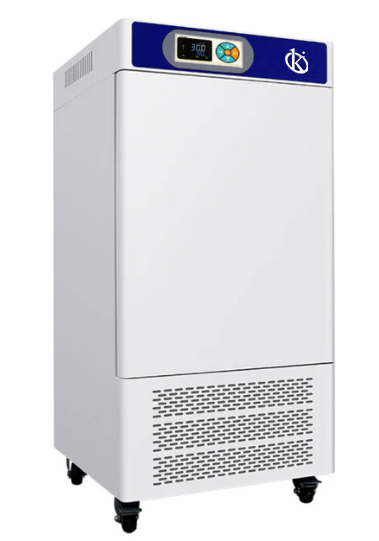
Integrating Constant Temperature and Humidity Incubators with LIMS: A Path to Data Digitization
The integration of laboratory equipment with Laboratory Information Management Systems (LIMS) has become essential in laboratory settings to streamline workflows and enhance data accuracy. This article focuses on constant temperature and humidity incubators, which play a critical role in various applications from environmental protection to biopharmaceutical testing. We will explore how these incubators can be effectively integrated with LIMS to facilitate data digitization.
Understanding Constant Temperature and Humidity Incubators
Constant temperature and humidity incubators are key devices that maintain specific environmental conditions required for various scientific experiments and tests. These incubators are utilized across a range of fields including environmental research, agriculture, aquaculture, and medical diagnostics. They are designed to provide reliable control over temperature and humidity, which is crucial for experiments requiring precise conditions.
The models available for consideration include:
- YR02053: Best suited for applications in environmental protection and health research, offering a temperature range of 0 to 60 degrees Celsius.
- YR02054: Ideal for drug testing and epidemiological studies, known for its double-door design and stainless steel interior.
- YR02055: This model is tailored for rigorous scientific research, providing enhanced capacity and humidity control features.
Integration with LIMS: Enhancing Workflow Efficiency
Integrating constant temperature and humidity incubators with LIMS allows for seamless data flow between the incubator and laboratory management systems. This integration not only streamlines data collection but also improves the accuracy of test results by minimizing human error. By using standardized protocols such as ASTM and HL7, laboratories can ensure that data captured from incubators is readily available for analysis and reporting.
LIMS integration can facilitate the automatic logging of temperature and humidity readings, ensuring compliance with various regulatory standards, including ISO 17025. This is crucial for laboratories seeking accreditation and adherence to best practices.
Technical Specifications Overview
| Model | Temperature Range (℃) | Precision (℃) | Power (kW) | Interior Size (H x W x D) mm | Price (USD) |
|---|---|---|---|---|---|
| YR02053 | 0 ~ 60 | ± 0.1 | 0.4 | 580 x 450 x 380 | 1010.00 |
| YR02054 | 0 ~ 60 | ± 0.1 | 0.6 | 800 x 500 x 380 | 1140.00 |
| YR02055 | 0 ~ 60 | ± 0.1 | 0.8 | 1000 x 550 x 450 | 1430.00 |
Comparison of Available Models
| Model | Connectivity | Protocols Supported | Integration Effort | Best For |
|---|---|---|---|---|
| YR02053 | WiFi, USB | HL7, ASTM | Moderate | Drug testing |
| YR02054 | Ethernet | REST, ASTM | Low | Environmental studies |
| YR02055 | WiFi, Ethernet | HL7, REST | High | Biopharmaceutical research |
Digitalization and Data Flow: Addressing Common Challenges
The shift towards digitalization in laboratory settings, especially concerning the integration of incubators with LIMS, presents several challenges. One common issue is the lack of standardized data formats, which can hinder the smooth exchange of information between devices and systems. To mitigate this, laboratories should adopt well-documented protocols and invest in middleware solutions that facilitate compatibility among different systems.
Moreover, ensuring data integrity during transfer is vital. Laboratories must implement robust validation processes to verify that data collected from incubators accurately reflects operational conditions.
Common Mistakes and How to Avoid Them
One common mistake laboratories make when integrating incubators with LIMS is failing to conduct thorough compatibility checks prior to implementation. Laboratories should ensure that the chosen incubator models support the necessary connectivity options. Additionally, neglecting to train staff on new software and protocols can lead to operational inefficiencies. Providing comprehensive training programs and resources can mitigate these issues.
Frequently Asked Questions
How does LIMS integration enhance the performance of constant temperature incubators?
LIMS integration enhances the performance of constant temperature incubators like the YR02054 by automating data logging and ensuring compliance with standards such as ISO 17025. This leads to improved accuracy in environmental data tracking, streamlining lab workflows and reducing manual errors.
What are the best practices for maintaining data integrity in incubator LIMS integration?
Best practices for maintaining data integrity in incubator LIMS integration include implementing validation protocols and using standardized data formats. Utilizing models like YR02055, which support multiple protocols, can further enhance data accuracy and reliability in laboratory settings.
Which constant temperature incubator model is best for biopharmaceutical research?
The constant temperature incubator model YR02055 is best for biopharmaceutical research due to its superior humidity control and larger capacity, making it ideal for experiments requiring precise environmental conditions.
How can laboratories ensure compliance with ISO 17025 using incubators?
Laboratories can ensure compliance with ISO 17025 by using incubators like the YR02053 that come with built-in temperature and humidity monitoring features, allowing for consistent and accurate environmental conditions during experiments.
What technical specifications are critical for constant temperature and humidity incubators?
Critical technical specifications for constant temperature and humidity incubators include temperature range, precision, interior dimensions, and power consumption. Models like YR02054 feature excellent precision of ±0.1℃, essential for maintaining reliable experimental conditions.
How can I improve the integration effort of constant temperature incubators with LIMS?
Improving the integration effort of constant temperature incubators with LIMS can be achieved by selecting models that support multiple communication protocols, such as YR02055, which can simplify the integration process and enhance data exchange efficiency.
What are the advantages of digitalizing data flow in incubators?
Digitalizing data flow in incubators leads to enhanced data accuracy, improved compliance with regulatory standards, and streamlined laboratory workflows. Utilizing incubators like the YR02053 can significantly reduce manual logging efforts and improve overall lab efficiency.
Which connectivity options should be considered for incubator LIMS integration?
When considering connectivity options for incubator LIMS integration, models like YR02054 offer Ethernet and USB connections, allowing for flexible integration into existing laboratory informatics infrastructures.
If you are looking for a fusion of innovation and quality, you have come to the right place. At Kalstein, we offer you the luxury of exploring our exclusive catalog of laboratory equipment. We manufacture every device to the highest standards of excellence. Our intuitive and seamless online purchasing channels are designed for your convenience, securing the most competitive prices. Hesitate no longer — we bring science to life, it is time to become part of our community.