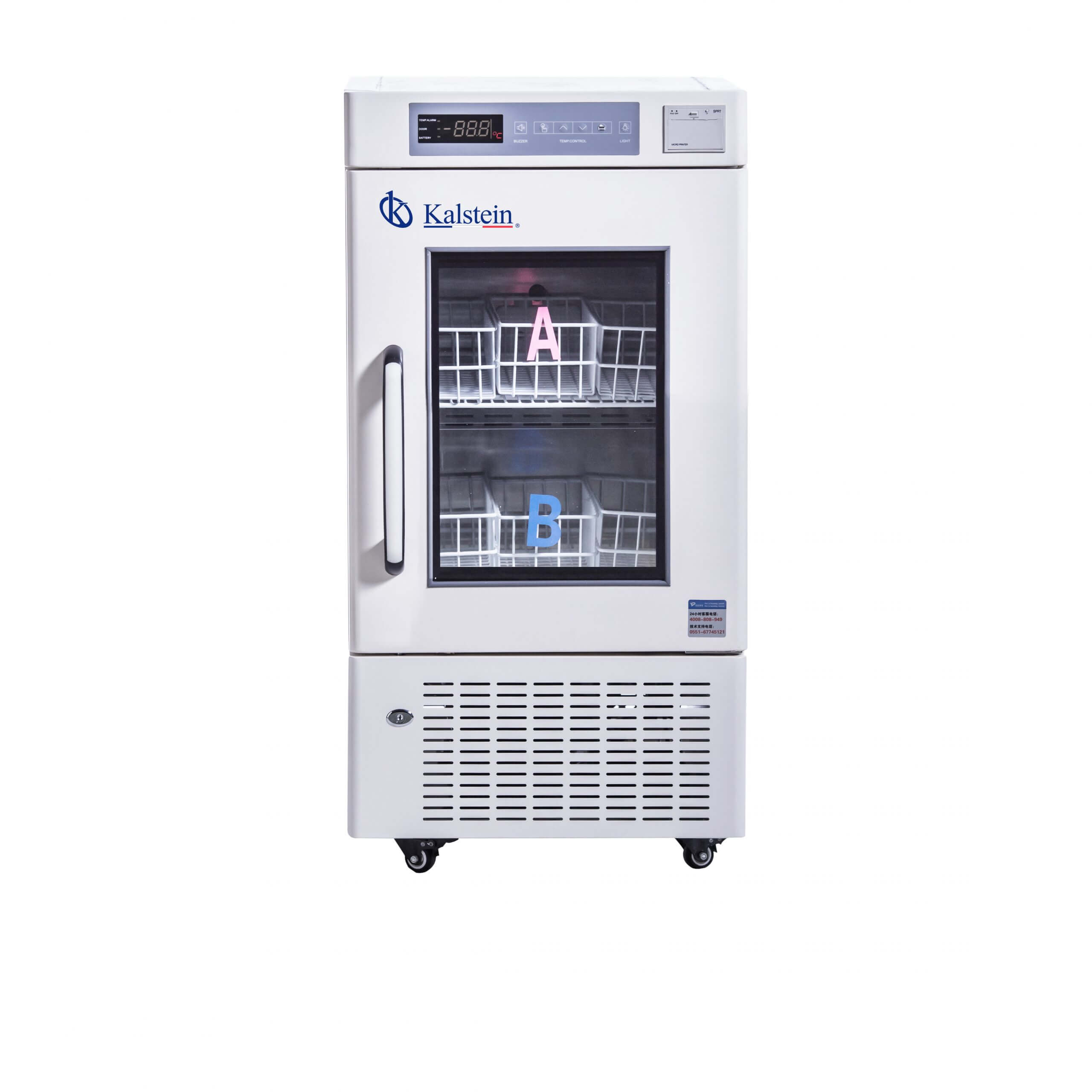
Integrating Blood Bank Refrigerators with LIMS: Enhancing Data Management
In today's laboratory environment, the integration of Blood Bank Refrigerators with Laboratory Information Management Systems (LIMS) is crucial for enhancing data management and operational efficiency. As laboratories strive to ensure compliance with standards and improve workflow, understanding how different models cater to digitalization efforts is essential.
The Importance of LIMS Integration in Blood Banks
LIMS integration provides a structured approach to managing data flow between blood bank operations and refrigerator systems. This integration facilitates real-time data access, which is vital for decision-making, regulatory compliance, and effective inventory management. Blood banks require precise temperature control to ensure the safety and efficacy of stored blood products. By integrating these systems with LIMS, laboratories can automate monitoring and alerts for temperature deviations, maintaining compliance with standards such as ISO 17025.
Key Features of Blood Bank Refrigerators for LIMS Integration
Blood Bank Refrigerators are equipped with various features that enhance their suitability for LIMS integration. Models like the YR05091 and YR05092 are designed with microprocessor-controlled forced air cooling, ensuring consistent temperature maintenance. The digital temperature display provides precision, which is critical for regulatory compliance. Moreover, these refrigerators often include connectivity options for efficient data transfer, thereby supporting interoperability with LIMS.
Challenges in Integrating Blood Bank Refrigerators with LIMS
Despite the advantages, integrating Blood Bank Refrigerators with LIMS can pose challenges. Compatibility issues between different systems and the complexity of data integration protocols can hinder seamless operations. It is essential for laboratories to assess and select models that offer robust connectivity options, such as HL7 or ASTM protocols, which can enhance the integration process.
Comparison of Available Models
| Model | Temperature Range (°C) | Digital Display | Connectivity Protocols | Best For |
|---|---|---|---|---|
| YR05091 | 2-6 | Yes | HL7, ASTM | Blood Banks |
| YR05092 | 2-6 | Yes | HL7, ASTM | Hospitals |
| YR05094 | 2-6 | Yes | HL7, ASTM | CDC |
| YR05098 | -10 to -25 | Yes | None | Freezing Applications |
| YR05292 | 4±1 | Yes | HL7, ASTM | Large Volume Storage |
Common Mistakes and How to Avoid Them
Many laboratories make critical mistakes while integrating Blood Bank Refrigerators with LIMS. A common error is underestimating the importance of selecting models with compatible connectivity options. For instance, opting for the YR05092 can ensure smoother integration due to its advanced features. Additionally, not training staff on the operational specifics of both LIMS and refrigerator systems can lead to inefficiencies and compliance issues.
Frequently Asked Questions
How can a Blood Bank Refrigerator improve compliance with ISO 17025 standards?
The YR05091 Blood Bank Refrigerator ensures compliance with ISO 17025 by maintaining a stable temperature range of 2-6°C, which is critical for blood storage. Its microprocessor-controlled cooling and digital monitoring features provide precise data necessary for compliance audits.
What are the key connectivity options for Blood Bank Refrigerators in LIMS?
Blood Bank Refrigerators like the YR05092 support connectivity options such as HL7 and ASTM protocols, which facilitate seamless data integration with LIMS. This ensures real-time monitoring and reporting capabilities, enhancing operational efficiency.
How does temperature monitoring aid in blood preservation in Blood Bank Refrigerators?
Temperature monitoring is vital in Blood Bank Refrigerators such as the YR05094, which features a digital display for precise temperature readings. Maintaining the recommended 2-6°C range prevents spoilage and maintains the viability of blood products.
What are the energy consumption metrics for Blood Bank Refrigerators?
The YR05091 consumes approximately 1.95 kWh in 24 hours, making it an energy-efficient choice for blood banks. Monitoring energy usage helps in managing operating costs while ensuring optimal performance.
How can LIMS enhance the operational efficiency of a blood bank?
Implementing LIMS with Blood Bank Refrigerators allows for automated data logging and reporting, which significantly enhances operational efficiency. Models like the YR05292 support these integrations, enabling better tracking of blood products and compliance with regulatory standards.
What are the best practices for maintaining Blood Bank Refrigerators?
Regular maintenance practices for Blood Bank Refrigerators, such as the YR05098, include routine temperature calibration and cleaning of cooling components. This ensures consistent performance and prevents potential failures that could compromise blood integrity.
What features should I look for in a Blood Bank Refrigerator for LIMS integration?
When selecting a Blood Bank Refrigerator for LIMS integration, look for features such as digital temperature monitoring, robust connectivity options like HL7, and automated alert systems. The YR05092 is a prime example that offers these essential features for seamless integration.
How does integration with LIMS improve data accuracy in blood banks?
Integration with LIMS improves data accuracy by automating the data entry process and minimizing human error. Blood Bank Refrigerators like the YR05094 with digital displays ensure accurate temperature readings, which are automatically logged into the system, enhancing data reliability.
If you are looking for a fusion of innovation and quality, you have come to the right place. At Kalstein, we offer you the luxury of exploring our exclusive catalog of laboratory equipment. We manufacture every device to the highest standards of excellence. Our intuitive and seamless online purchasing channels are designed for your convenience, securing the most competitive prices. Hesitate no longer — we bring science to life, it is time to become part of our community.