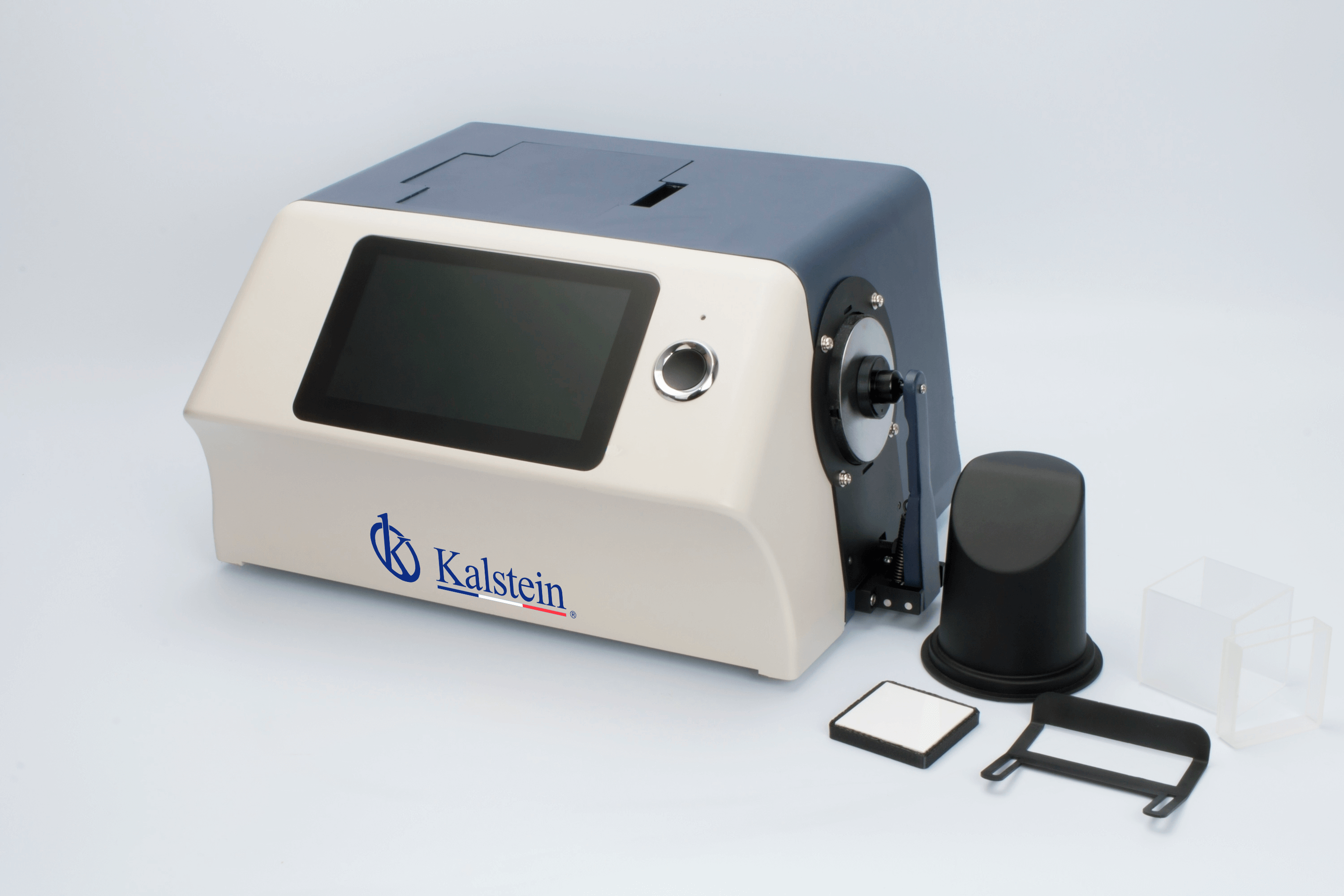
Integrating Benchtop Spectrophotometers with LIMS for Data Digitization
In today’s fast-paced laboratory environments, the integration of benchtop spectrophotometers with Laboratory Information Management Systems (LIMS) is crucial for enhancing data digitization and streamlining workflows. This article delves deep into how this integration can revolutionize color analysis and laboratory operations.
Understanding Benchtop Spectrophotometers
Benchtop spectrophotometers serve as essential tools for color measurement in various laboratory settings, equipped with advanced features that ensure precise results. The models covered include the YR05474, YR05475, YR05476, YR05477, YR05478, and YR05482, each providing unique specifications tailored to different applications.
Benefits of LIMS Integration
Integrating LIMS with benchtop spectrophotometers provides numerous advantages, including increased data accuracy, enhanced traceability, and improved compliance with international standards. This section will address key benefits such as reduced manual data entry and the facilitation of real-time data analysis, ultimately leading to better decision-making processes.
Key Connectivity Protocols for Integration
Understanding the connectivity protocols involved in integrating spectrophotometers with LIMS is essential. Common protocols include HL7, ASTM, and RESTful API, each offering different functionalities that can be leveraged to enhance data management and workflow efficiency.
Data Sovereignty and Compliance Considerations
When integrating spectrophotometers with LIMS, compliance with regulations such as ISO 17025 is paramount. This section will discuss how each model can be utilized to adhere to compliance requirements and ensure data sovereignty while managing laboratory data.
Application Scenarios: Ideal Conditions for Integration
Analyzing specific scenarios where LIMS and benchtop spectrophotometer integration is beneficial, such as in R&D laboratories and quality control settings, helps to illustrate the practical applications of this technology. Each model's unique capabilities will be highlighted concerning the ideal integration scenario.
Challenges to LIMS Integration and Solutions
While the integration of LIMS with benchtop spectrophotometers offers many benefits, it also presents challenges, including data migration issues and the need for staff training. This section will explore these challenges and propose actionable solutions for successful integration.
Comparison of Available Models
| Model | Connectivity | Protocols Supported | Integration Effort | Best For |
|---|---|---|---|---|
| YR05474 | USB, Ethernet | HL7, ASTM | Medium | R&D Laboratories |
| YR05475 | USB, Ethernet | REST API | Easy | Quality Control |
| YR05476 | USB, Ethernet | HL7 | Medium | General Purpose |
| YR05477 | USB, Ethernet | ASTM | Hard | Advanced Research |
| YR05478 | USB, Ethernet | REST API | Easy | Quality Assurance |
| YR05482 | USB, Ethernet | HL7, ASTM | Medium | Food and Beverage Testing |
Common Mistakes and How to Avoid Them
Understanding potential pitfalls when integrating benchtop spectrophotometers with LIMS is vital. This section will highlight common mistakes, such as underestimating training needs and overloading systems with unnecessary data, along with strategies to avoid them.
Frequently Asked Questions
How does LIMS integration enhance data management for benchtop spectrophotometers?
LIMS integration streamlines data management by automating data entry and storage. Models like the YR05474 offer connectivity options that facilitate real-time data transfer, significantly improving workflow efficiency in laboratories.
What protocols are commonly used for integrating benchtop spectrophotometers with LIMS?
Common protocols include HL7 and ASTM, enabling seamless data exchange and management. The YR05475 model supports REST API, making it versatile for various laboratory applications.
Which benchtop spectrophotometer is best for achieving ISO 17025 compliance?
The YR05476 model is designed to meet ISO 17025 compliance, offering features that ensure traceability and data integrity, crucial for laboratories aiming for certification.
What are the key challenges in LIMS integration for laboratory equipment?
Key challenges include data migration and user training. Addressing these issues is essential for a successful integration of spectrophotometers like the YR05477 with LIMS.
How can laboratories ensure data sovereignty when integrating LIMS?
Laboratories can ensure data sovereignty by understanding the compliance requirements and selecting models like the YR05478 that offer robust data management features aligned with international standards.
What advantages do non-contact spectrophotometers offer in LIMS integration?
Non-contact models like the YR05482 allow for precise measurements without direct contact, reducing contamination risk. This feature enhances data accuracy within LIMS in sensitive environments.
What is the integration effort required for different models of benchtop spectrophotometers?
Integration efforts vary by model; for example, the YR05475 requires minimal effort due to its simple REST API integration, while the YR05477 requires more extensive setup due to advanced capabilities.
How does LIMS integration impact laboratory workflow efficiency?
LIMS integration significantly improves workflow efficiency by automating data collection and processing. Models like the YR05474 contribute to faster turnaround times in laboratory operations, thus enhancing productivity.
If you are looking for a fusion of innovation and quality, you have come to the right place. At Kalstein, we offer you the luxury of exploring our exclusive catalog of laboratory equipment. We manufacture every device to the highest standards of excellence. Our intuitive and seamless online purchasing channels are designed for your convenience, securing the most competitive prices. Hesitate no longer — we bring science to life, it is time to become part of our community.