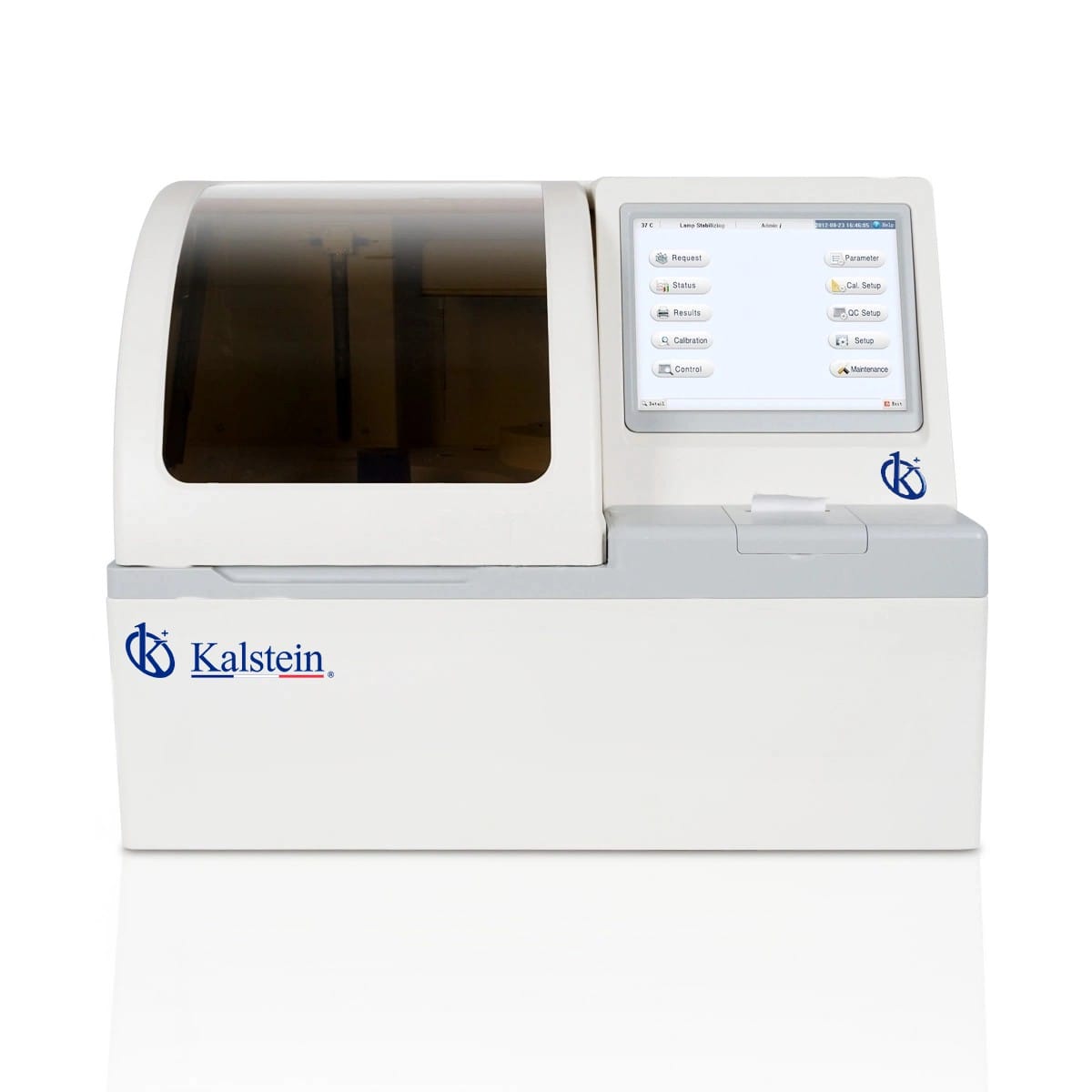
How to Integrate Veterinary Chemistry Analyzers with LIMS for Data Digitalization
In today's fast-paced veterinary laboratories, the integration of Veterinary Chemistry Analyzers with Laboratory Information Management Systems (LIMS) is vital for efficient data management and workflow optimization. As laboratories increasingly shift towards digital solutions, understanding how to effectively integrate these systems is essential for enhancing operational efficiency and accuracy in diagnostics.
Understanding the Need for LIMS Integration
The Veterinary Chemistry Analyzer subcategory encompasses devices designed to perform various biochemical tests on animal samples. LIMS integration allows for seamless data capture, storage, and retrieval, streamlining the laboratory workflow. With increasing demands for efficiency and accuracy in diagnostic testing, a well-integrated system can significantly reduce manual errors and enhance reporting capabilities.
Benefits of Integrating Veterinary Chemistry Analyzers with LIMS
Integrating these analyzers with LIMS provides several benefits, including:
- Enhanced Data Management: Real-time data transfer reduces the risk of miscommunication and errors.
- Improved Workflow: Automation of processes facilitates quicker turnaround times for test results.
- Regulatory Compliance: Ensures that laboratories meet required standards for data handling and reporting.
Key Integration Protocols for Veterinary Chemistry Analyzers
Several protocols are commonly used for integrating Veterinary Chemistry Analyzers with LIMS. Key protocols include:
- HL7: A widely used messaging standard for data exchange in healthcare.
- ASTM: Provides standard specifications for the exchange of laboratory data.
- REST APIs: Allow for flexible and scalable data exchange between systems.
Comparison of Available Models
| Model | Connectivity | Protocols Supported | Integration Effort | Best For |
|---|---|---|---|---|
| YR06168 | Wired | HL7, REST | Medium | High-volume labs |
| YR06169 | Wireless | REST | Low | Mobile testing scenarios |
| YR06172 | Wireless | REST, ASTM | Medium | Fieldwork applications |
| YR06174 | Wired | HL7 | High | Emergency departments |
| YR06077 | Wireless | REST, ASTM | Low | Small veterinary clinics |
Common Mistakes and How to Avoid Them
When integrating Veterinary Chemistry Analyzers with LIMS, several common mistakes can occur. These include:
- Poor Data Mapping: Ensure that all fields in LIMS match those from the analyzers. Utilize proper mapping techniques to prevent data loss.
- Ignoring User Training: Provide adequate training for staff to manage the new integrated system effectively.
- Underestimating Validation Needs: Validate the integration to ensure consistent performance and compliance with regulatory standards.
Integrating Workflow Optimization with LIMS
Workflow optimization is a crucial aspect of laboratory operations. By effectively integrating Veterinary Chemistry Analyzers into the LIMS framework, laboratories can track samples from collection to reporting. For instance, the YR06168 model, with its capability of performing up to 100 tests per hour, can significantly enhance throughput and efficiency when paired with a robust LIMS.
Challenges in Data Digitalization and How to Overcome Them
Data digitalization poses several challenges, such as data security, system compatibility, and user resistance. Implementing robust cybersecurity measures, choosing compatible systems, and fostering a culture of adaptability can help overcome these challenges. For example, utilizing secure protocols like HL7 can enhance data security during transfers.
Maintaining Data Integrity Across Integrated Systems
Maintaining data integrity is essential for effective diagnostics and compliance. This involves establishing standard operating procedures (SOPs) for data entry, validation, and audit trails. The YR06174 model's built-in quality control features can assist in ensuring accurate results, which is crucial for maintaining integrity.
Frequently Asked Questions
What are the best practices for integrating a Veterinary Chemistry Analyzer with a LIMS?
Best practices include mapping data fields accurately, validating integration processes, and providing comprehensive training for users. For instance, using the YR06168 with a LIMS that supports HL7 can streamline data entry and ensure compliance with veterinary standards.
How can I enhance data security when integrating Veterinary Chemistry Analyzers?
Enhancing data security can be achieved by using secure data transmission protocols like HL7, conducting regular audits, and implementing encryption methods. This is especially important when using portable units like YR06169 in the field.
What LIMS features are essential for Veterinary Chemistry Analyzers?
Essential LIMS features include data tracking capabilities, reporting tools, and support for various integration protocols. Models like YR06172 benefit from LIMS that can handle real-time data updates, which is crucial during diagnostics.
How does LIMS integration impact workflow efficiency in veterinary labs?
LIMS integration can significantly enhance workflow efficiency by automating data entry, reducing turnaround times, and minimizing errors. For instance, the YR06174 model allows for quick data transfer to LIMS, improving the overall workflow.
What are the common pitfalls in LIMS integration for Veterinary Chemistry Analyzers?
Common pitfalls include inadequate data mapping, lack of training, and poor system compatibility. Mitigating these issues is essential for successful integration, especially when utilizing models such as YR06077.
How do I ensure compliance with veterinary data regulations during integration?
Ensuring compliance can be accomplished by adhering to industry standards such as ISO 17025 and regularly validating data processes. The integration of models like YR06168 can facilitate compliance through user-friendly data management.
What are the benefits of using a wireless Veterinary Chemistry Analyzer with LIMS?
Wireless analyzers, such as the YR06169, offer flexibility in data collection and ease of mobility, allowing for faster data entry into LIMS and streamlining the diagnostic process.
How can I assess the ROI of integrating a Veterinary Chemistry Analyzer with LIMS?
Assessing ROI involves considering factors such as reduced labor costs, increased throughput, and improved accuracy. Analyzers like YR06174 can provide significant returns by enhancing overall lab efficiency.
If you are looking for a fusion of innovation and quality, you have come to the right place. At Kalstein, we offer you the luxury of exploring our exclusive catalog of laboratory equipment. We manufacture every device to the highest standards of excellence. Our intuitive and seamless online purchasing channels are designed for your convenience, securing the most competitive prices. Hesitate no longer — we bring science to life, it is time to become part of our community.