How to Integrate Vertical Electrophoresis Systems with LIMS for Enhanced Data Flow
In today's laboratory environments, where efficiency and accuracy are paramount, the integration of vertical electrophoresis systems with Laboratory Information Management Systems (LIMS) plays a crucial role. This integration not only streamlines data management but also enhances laboratory workflows, enabling professionals to focus on scientific advancements rather than administrative tasks. This article delves into how various models of vertical electrophoresis systems can be effectively integrated with LIMS to optimize data flow and improve overall laboratory performance.
Understanding Vertical Electrophoresis Systems
Vertical electrophoresis systems are sophisticated devices primarily used for the separation of proteins by size, charge, or other properties. Unlike horizontal systems, they provide unique advantages, particularly in terms of resolution and the ability to run multiple samples concurrently. The integration of these systems with LIMS facilitates the seamless transfer of data, reducing manual entry and potential errors.
Benefits of LIMS Integration
Integrating vertical electrophoresis systems with LIMS enhances laboratory performance by providing real-time data access, improving data accuracy, and ensuring compliance with regulatory standards. This integration supports various functionalities such as sample tracking, automated reporting, and data analysis, which are essential in a high-throughput laboratory setting.
Key Features of Vertical Electrophoresis Systems
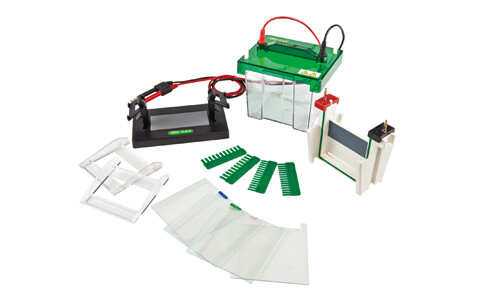
When selecting a vertical electrophoresis system for LIMS integration, consider models that offer specific features that support digital workflows. Features such as modular gel-making capabilities, quick setup times, and sample versatility are critical. For example, the Mini-Protean Vertical Electrophoresis Cell YR03425 allows for quick glass plate installation and modular gel designs, making it an excellent choice for laboratories looking to enhance their integration with LIMS.
Comparison of Available Models
| Model | Glass Plate Size (mm) | Gel Size (mm) | Sample Volume (wells) | Buffer Volume (ml) | Net Weight (kg) | Price (USD) |
|---|---|---|---|---|---|---|
| YR03425 | 100 x 100 | 82 x 88 | 11, 15 | ~750 | 1.5 | 303.00 |
| YR03426 | 100 x 100 | 82 x 88 | 11, 15 | ~1000 | 2.5 | 405.00 |
| YR03427 | 101 x 82 | 81 x 73 | 11~60 | ~1200 | 2.5 | 517.20 |
| YR03428 | 216 x 110 | 186 x 95 | 25, 40, 52 | ~1800 | 3.2 | 173.40 |
| YR03429 | 216 x 220 | 186 x 205 | 25, 40, 52 | ~3500 | 5.6 | 238.20 |
| YR03430 | 216 x 110 | 186 x 95 | 25, 40, 52 | ~1800 | 3.2 | 339.60 |
Common Mistakes and How to Avoid Them
When integrating vertical electrophoresis systems with LIMS, laboratories often encounter several common pitfalls. One frequent mistake is the underestimation of the necessary training for staff on the integrated system. A comprehensive training program is essential to ensure that all personnel are well-equipped to utilize the LIMS effectively alongside the electrophoresis equipment. Moreover, ensuring compatibility between the LIMS and the specific vertical electrophoresis models is vital to avoid data loss and inefficiencies.
Maximizing Efficiency with Automation
Automating the data transfer between vertical electrophoresis systems and LIMS can significantly enhance laboratory efficiency. By implementing middleware solutions that can bridge communication gaps, labs can automate sample tracking and reporting processes. This not only reduces the workload on technicians but also minimizes human error, ensuring data integrity.
Designing a Seamless Integration Architecture
Creating a robust integration architecture is fundamental for successful LIMS integration. This includes defining data flow pathways, ensuring secure data transmission protocols, and establishing a standard operating procedure for data management. Utilizing APIs that are compatible with the vertical electrophoresis systems can facilitate smooth data exchange and enhance overall laboratory workflows.
Frequently Asked Questions
What are the benefits of using LIMS with vertical electrophoresis systems?
Integrating LIMS with vertical electrophoresis systems enhances data accuracy, streamlines workflows, and ensures compliance with regulatory standards. Systems like YR03425 facilitate quick data entry and retrieval, which is essential for high-throughput laboratories.
How can I ensure data integrity when integrating vertical electrophoresis systems with LIMS?
To ensure data integrity during integration, use standardized protocols and compatibility checks. Implementing models such as YR03430, which supports multiple sample inputs, can improve data reliability and workflow efficiency.
What are the common challenges faced during LIMS integration with electrophoresis systems?
Common challenges include compatibility issues and the need for extensive staff training. Choosing advanced models like YR03428 can mitigate some challenges by providing robust features that support seamless integration.
How much does it cost to integrate a vertical electrophoresis system with LIMS?
The cost of integration varies depending on the electrophoresis model and the specific LIMS used. For instance, integrating YR03429 with a mid-range LIMS can cost around $238.20 for the unit plus any additional integration fees.
What is the best model for high-throughput vertical electrophoresis?
The Mini-Protean Vertical Electrophoresis Cell YR03427 is ideal for high-throughput applications, offering multiple wells and efficient sample processing capabilities, which enhance integration with LIMS.
Which vertical electrophoresis model offers the fastest setup time?
The YR03425 model is known for its quick glass plate installation, taking only 15 seconds, which is beneficial for labs looking to minimize downtime during integration with LIMS.
Can I automate data collection from vertical electrophoresis systems to LIMS?
Yes, automation can be achieved by utilizing middleware solutions that connect your LIMS to vertical electrophoresis systems like the YR03426, allowing for seamless data transfer.
Conclusion
If you are looking for a fusion of innovation and quality, you have come to the right place. At Kalstein, we offer you the luxury of exploring our exclusive catalog of laboratory equipment. We manufacture every device to the highest standards of excellence. Our intuitive and seamless online purchasing channels are designed for your convenience, securing the most competitive prices. Hesitate no longer — we bring science to life, it is time to become part of our community.