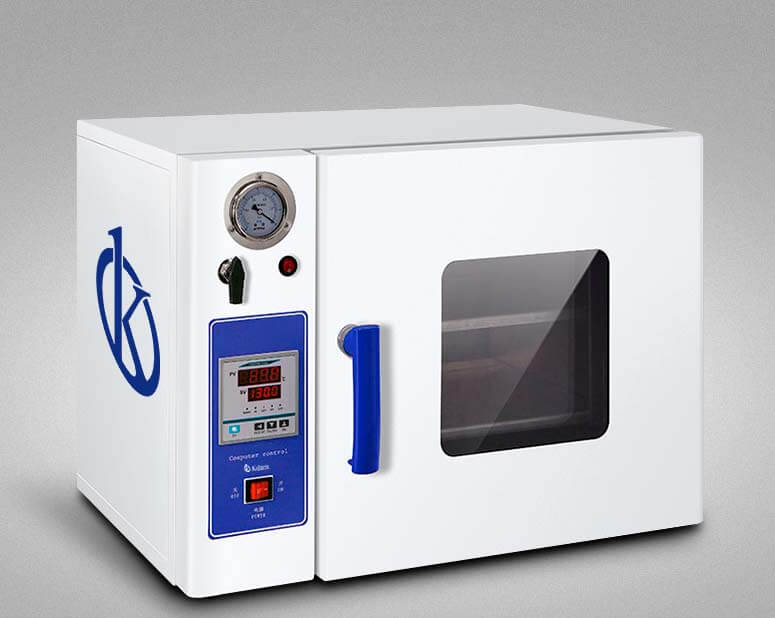
How to Integrate Vacuum Ovens with LIMS for Enhanced Data Flow
In modern laboratories, the efficiency of operations is paramount. Vacuum ovens play a crucial role in various applications, including drying and sterilization, particularly where heat-sensitive materials are involved. However, the integration of these ovens with Laboratory Information Management Systems (LIMS) is essential for optimizing data flow and enhancing overall laboratory productivity.
Vacuum Ovens: A Key Component in Laboratory Operations
Vacuum ovens are indispensable in laboratories due to their ability to provide controlled environments for drying and sterilizing sensitive items. They allow researchers to process samples without the risk of overheating or oxidation. With models like the Vacuum Drying Oven YR05260 (A) and YR05261 (A), laboratories can effectively manage complex materials, ensuring high-quality results across biochemical, pharmaceutical, and agricultural applications.
Understanding LIMS Integration
LIMS integration involves the connection of laboratory instruments, like vacuum ovens, to a central digital management system. This connectivity allows for automatic data collection, reducing manual entry errors and saving time. Robust LIMS solutions can facilitate real-time monitoring of critical parameters such as temperature and vacuum levels during the drying process, providing laboratories with a comprehensive view of their operations.
Benefits of LIMS Integration with Vacuum Ovens
Integrating vacuum ovens with LIMS offers numerous benefits, including:
- Enhanced Data Accuracy: Automated data logging reduces human error.
- Improved Workflow Efficiency: LIMS can streamline sample processing, enabling faster turnaround times.
- Regulatory Compliance: LIMS can help maintain compliance with standards such as ISO 17025 by ensuring traceability of data.
Key Features of Vacuum Ovens Supporting LIMS Integration
When selecting vacuum ovens for integration with LIMS, laboratories should consider models that support specific connectivity protocols. For instance, models such as the Vacuum Drying Oven YR05262 (SS) and YR05263 (SS) are designed with features that facilitate seamless integration, including:
- Real-time data transmission capabilities
- Compatibility with various LIMS protocols
- Data storage for traceability and compliance purposes
Comparison of Available Models
| Model Code | Temperature Range (°C) | Vacuum Degree (Pa) | Material | Best Use Case |
|---|---|---|---|---|
| YR05260 (A) | RT + 5 to 250 | < 133 | Zinc-coated Steel | Drying heat-sensitive materials |
| YR05261 (A) | RT + 5 to 250 | < 133 | Zinc-coated Steel | High-efficiency drying for complex samples |
| YR05262 (SS) | RT + 5 to 250 | < 133 | Stainless Steel | Advanced sterilization applications |
| YR05263 (SS) | RT + 5 to 250 | < 133 | Stainless Steel | Durable performance in hazardous environments |
| YR05264 (A) | RT + 5 to 250 | < 133 | Zinc-coated Steel | Quick drying for sensitive laboratory items |
| YR05265 (SS) | RT + 5 to 250 | < 133 | Stainless Steel | High-capacity drying for bulk samples |
Common Mistakes and How to Avoid Them
Laboratories often encounter challenges during the integration of vacuum ovens with LIMS. Key mistakes include:
- Neglecting Compatibility: Ensure that the vacuum oven is compatible with your LIMS software to avoid integration issues.
- Ignoring Training: Proper training of staff on the new system is crucial for maximizing the benefits of integration.
- Overlooking Regulatory Requirements: Make sure that the selected vacuum oven meets relevant compliance standards to avoid future audits.
Frequently Asked Questions
How can I ensure my vacuum oven integrates seamlessly with LIMS?
Choosing models like the YR05262 (SS) that support LIMS protocols such as ASTM can facilitate seamless integration. Ensure that the vacuum oven's data output formats are compatible with your LIMS for effective data flow.
What specific protocols should I look for in vacuum ovens for LIMS?
Look for vacuum ovens that support protocols such as HL7 and ASTM. For example, the YR05263 (SS) is designed to meet connectivity needs for efficient data exchange with LIMS.
Which vacuum oven model is best for heat-sensitive materials?
The Vacuum Drying Oven YR05260 (A) is ideal for heat-sensitive materials, offering a temperature range of RT + 5 to 250°C while ensuring efficient drying without causing damage.
How do vacuum ovens contribute to compliance with ISO 17025?
Models like the YR05261 (A) offer traceability features that help laboratories comply with ISO 17025 standards, ensuring reliable data management and accurate reporting.
What is the typical cost of a LIMS-integrated vacuum oven?
The price for models such as the YR05264 (A) typically ranges around $690, offering features that support LIMS integration and efficient laboratory operations.
How do I maintain a vacuum oven for optimal performance?
Regular maintenance, including calibration and cleaning, is essential. Follow a schedule based on the model used, such as the YR05265 (SS), to ensure consistent performance and compliance.
What are the energy requirements for vacuum ovens?
Energy requirements can vary by model. For instance, the YR05263 (SS) operates efficiently, but it's crucial to assess the kilowatt usage based on your laboratory's capacity and energy management goals.
How can I optimize data flow from my vacuum oven to LIMS?
Utilizing integrated models like the YR05262 (SS) that support real-time data transfer can significantly enhance data flow, reducing entry errors and improving processing speeds.
If you are looking for a fusion of innovation and quality, you have come to the right place. At Kalstein, we offer you the luxury of exploring our exclusive catalog of laboratory equipment. We manufacture every device to the highest standards of excellence. Our intuitive and seamless online purchasing channels are designed for your convenience, securing the most competitive prices. Hesitate no longer — we bring science to life, it is time to become part of our community.