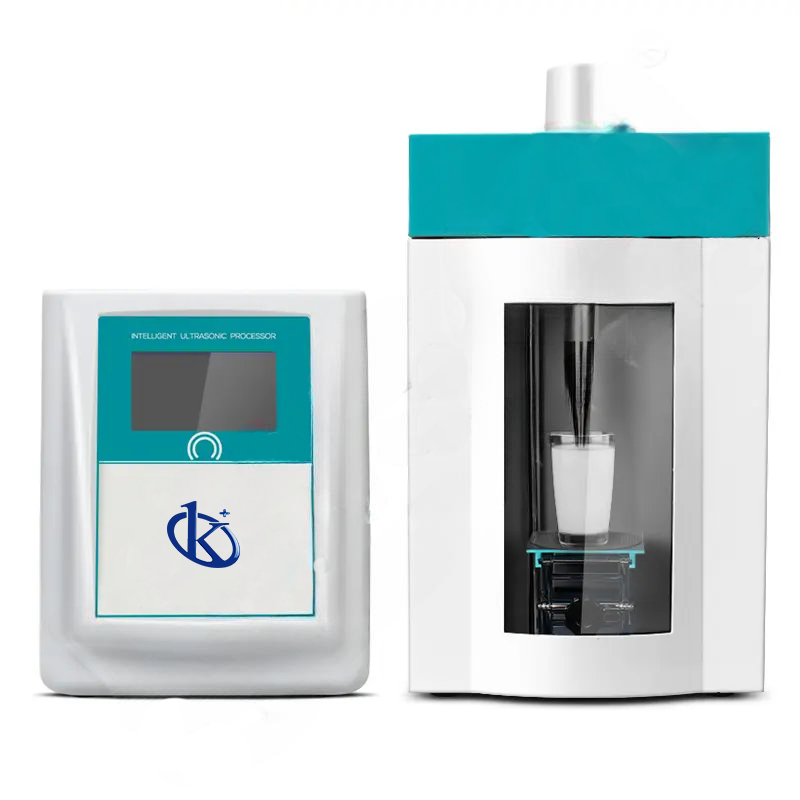
How to Integrate Ultrasonic Homogenizers with LIMS for Data Stream Digitalization
In the rapidly evolving landscape of laboratory technology, the integration of ultrasonic homogenizers with Laboratory Information Management Systems (LIMS) is crucial for enhancing data management and streamlining laboratory workflows. Ultrasonic homogenizers play a significant role in sample preparation, ensuring consistent and reproducible results. This article delves into how laboratories can effectively integrate these devices into their existing LIMS setups, addressing the current trends in data digitalization.
Understanding Ultrasonic Homogenizers and Their Role in Laboratories
Ultrasonic homogenizers utilize high-frequency sound waves to agitate and break down samples into smaller particles. This technology is essential in various applications, including pharmaceuticals, food processing, and environmental testing. The introduction of LIMS has revolutionized how laboratories handle data, allowing for improved accuracy, reduced errors, and enhanced efficiency.
Benefits of Integrating Ultrasonic Homogenizers with LIMS
Integrating ultrasonic homogenizers with LIMS streamlines the data flow from sample preparation to analysis. By capturing data directly from the homogenizers, laboratories can minimize manual data entry, reduce the risk of errors, and ensure real-time data availability. This integration enhances traceability, compliance with regulatory standards, and overall laboratory productivity.
Comparison of Available Models
| Model | Power (W) | Mixing Capacity (ml) | Price (USD) | Best for |
|---|---|---|---|---|
| YR05015 | 150 | 150 | 756.00 | Small volume sample preparation |
| YR05016 | 250 | 300 | 882.00 | Medium volume applications |
| YR05017 | 650 | 500 | 1050.00 | High-throughput laboratories |
| YR05018 | 900 | 600 | 1281.00 | Advanced research applications |
| YR05019 | 1200 | 1000 | 1785.00 | Industrial-scale processing |
| YR05020 | 1800 | 1200 | 2058.00 | Large-scale laboratories |
Key Features for LIMS Integration
When selecting an ultrasonic homogenizer for LIMS integration, consider models that support various connectivity options such as USB, Ethernet, or RS-232. The chosen models should feature data logging capabilities, allowing for automatic data transfer to the LIMS. For instance, the YR05015 model is equipped with a PID control mechanism, ensuring precise operation that can be closely monitored through digital interfaces.
Data Management Protocols for Ultrasonic Homogenizers
Establishing effective data management protocols is essential for successful LIMS integration. Workflows should define how data is captured, stored, and retrieved. Ensure that ultrasonic homogenizers are calibrated regularly to maintain data accuracy. Additionally, implement a validation process to verify the data integrity transferred to the LIMS. Models like YR05018 offer advanced features that help in tracking temperature and alarm notifications, ensuring that the data logged is reliable.
Common Mistakes and How to Avoid Them
One of the frequent mistakes in integrating ultrasonic homogenizers with LIMS is overlooking the importance of user training. All laboratory personnel must be well-trained in using both the homogenizers and the LIMS interface to effectively capture and analyze data. Another common pitfall is inadequate testing of the integration before widespread implementation. Conduct thorough trials with models such as YR05020 to ensure seamless operation and data flow.
Frequently Asked Questions
How can ultrasonic homogenizers improve data traceability in laboratories?
Ultrasonic homogenizers, such as YR05019, enhance data traceability by integrating directly with LIMS, ensuring that sample preparation data is automatically logged. This reduces manual entry errors and maintains a complete record of all processing steps, which is crucial for audits and compliance.
What LIMS protocols are compatible with ultrasonic homogenizers?
Most ultrasonic homogenizers, like the YR05016, support various LIMS protocols such as ASTM and HL7. These protocols facilitate effective data interchange between devices and the LIMS, ensuring the laboratory's operational efficiency.
Which ultrasonic homogenizer model is best for high-throughput environments?
For high-throughput environments, models like YR05017 are ideal due to their powerful 650W output and a mixing capacity of 500 ml. Their features allow for rapid processing of multiple samples, seamlessly integrating with LIMS for streamlined data management.
How do I ensure the accuracy of data from my ultrasonic homogenizer?
To ensure accuracy, it is essential to regularly calibrate your ultrasonic homogenizer, such as the YR05018, according to standardized protocols. Employing a robust LIMS setup will also help maintain data integrity through automated logging and monitoring.
What are the energy consumption metrics for ultrasonic homogenizers?
Energy consumption varies by model; for instance, the YR05020 uses 1800W during operation. Understanding these metrics helps laboratories assess the overall energy footprint when integrating these devices with their LIMS systems.
How does integrating ultrasonic homogenizers with LIMS enhance laboratory compliance?
Integration enhances compliance by ensuring that all data collected from ultrasonic homogenizers, like the YR05015, is automatically logged and traceable within the LIMS, meeting regulatory requirements and facilitating easier audits.
What challenges might I face when integrating ultrasonic homogenizers with my LIMS?
Challenges include ensuring compatibility between devices and the LIMS, as well as potential data integrity issues. Utilizing models such as the YR05019, known for their advanced connectivity features, can help mitigate these challenges through better integration.
Conclusion
Integrating ultrasonic homogenizers with LIMS is a strategic move for laboratories aiming for operational excellence. By choosing the right models and ensuring robust data management protocols, labs can enhance efficiency, accuracy, and compliance. If you are looking for a fusion of innovation and quality, you have come to the right place. At Kalstein, we offer you the luxury of exploring our exclusive catalog of laboratory equipment. We manufacture every device to the highest standards of excellence. Our intuitive and seamless online purchasing channels are designed for your convenience, securing the most competitive prices. Hesitate no longer — we bring science to life, it is time to become part of our community.