How to Integrate Salinity Refractometers with LIMS for Enhanced Data Digitalization
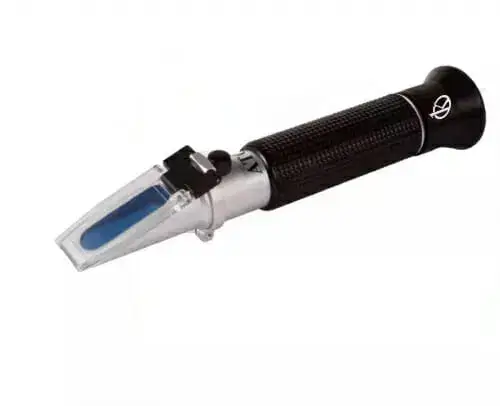
In the realm of laboratory analysis, the integration of salinity refractometers with Laboratory Information Management Systems (LIMS) is crucial for streamlining workflows and enhancing data digitalization. Salinity refractometers, such as the YR05887, YR05888, YR05913, and YR05914, are essential tools for measuring salt concentrations in various applications. This article delves into how these instruments can be effectively computerized and managed through LIMS, ensuring that data flow seamlessly through laboratory processes.
Understanding LIMS and Its Importance in Laboratory Settings
A Laboratory Information Management System (LIMS) is a software-based solution that enables laboratories to manage samples, associated data, and laboratory workflows efficiently. LIMS supports better data management, compliance with regulatory requirements, and improved productivity. Salinity refractometers are integral components in marine biology, clinical laboratories, and quality control in various industries. Therefore, integrating these devices with LIMS enhances the overall laboratory management experience.
Overview of Salinity Refractometers
Salinity refractometers are designed to measure the concentration of salt in water solutions, providing critical data for various applications, including environmental monitoring, aquaculture, and food processing. Each model has distinct features that cater to specific measurement needs:
- YR05887: This model is best suited for testing salinity at concentrations ranging from 2-4% (20-40 ppt). It is designed for high-precision measurements with automatic temperature compensation (ATC), making it ideal for laboratory settings.
- YR05888: Similar to YR05887 but offers a lower measurement range (0-4% salinity), making it versatile for various applications where lower salt concentrations are present.
- YR05913: This model excels in marine environments where consistent measurement of salinity is critical for maintaining aquatic health.
- YR05914: Designed for broad applications in laboratories, it provides critical data across industries requiring stringent quality control.
Benefits of LIMS Integration for Salinity Refractometers
Integrating salinity refractometers with LIMS brings numerous benefits to laboratories:
- Data Accuracy: Directly transferring measurement data from refractometers to LIMS minimizes human error associated with manual data entry.
- Real-Time Monitoring: LIMS integration allows for real-time tracking of salinity measurements, enabling immediate analysis and decision-making.
- Compliance and Reporting: Automated data logging in LIMS ensures compliance with industry standards and facilitates easy reporting for audits and quality checks.
- Efficiency in Workflow: Streamlined processes reduce turnaround times for sample processing and reporting, enhancing laboratory throughput.
Key Features to Look for in a LIMS for Salinity Refractometer Integration
When selecting a LIMS for integration with salinity refractometers, consider the following features:
- Connectivity: Ensure the LIMS supports various connectivity protocols for seamless integration with salinity refractometers.
- Data Management: Look for robust data management features, including data storage, retrieval, and processing capabilities.
- User-Friendly Interface: A user-friendly interface ensures that laboratory staff can efficiently manage and operate the system.
- Scalability: The LIMS should be scalable to accommodate growth and additional functionalities as laboratory needs evolve.
Common Integration Challenges and Solutions
Integrating salinity refractometers with LIMS can present challenges:
- Data Compatibility: Ensure that the data formats from the refractometers are compatible with LIMS requirements. This may involve customizing data output formats.
- Training Staff: Adequate training is essential for laboratory personnel to maximize the system's potential. Regular training sessions can overcome this hurdle.
- System Configuration: Collaborate with LIMS vendors to configure the system correctly for optimal performance with salinity refractometers.
Comparison of Available Models
| Model | Measurement Range | Precision | Best for |
|---|---|---|---|
| YR05887 | 2-4% (20-40 ppt) | ±0.1% (1 ppt) | Laboratories requiring high precision |
| YR05888 | 0-4% (0-40 ppt) | ±0.1% (1 ppt) | Versatile applications in various settings |
| YR05913 | 2-4% (20-40 ppt) | ±0.1% (1 ppt) | Marine environments and aquaculture |
| YR05914 | 0-4% (0-40 ppt) | ±0.1% (1 ppt) | Broad applications in quality control |
Common Mistakes and How to Avoid Them
When integrating salinity refractometers with LIMS, common mistakes can hinder effectiveness:
- Neglecting Data Validation: Always validate data during the integration process to ensure accuracy and compliance with standards.
- Ignoring User Feedback: Involve laboratory staff in the integration process to address concerns and improve usability.
- Overcomplicating Processes: Streamline workflows and avoid unnecessary complexities in data management to enhance efficiency.
Frequently Asked Questions
How can I ensure my salinity refractometer integrates seamlessly with LIMS?
Ensure that your salinity refractometer, like the YR05887, supports compatible data output formats and connectivity protocols that your LIMS can handle. Collaborate with both your refractometer and LIMS providers to facilitate a seamless integration process.
What are the benefits of using salinity refractometers with digital systems in laboratories?
Using salinity refractometers with digital systems enhances data accuracy, improves compliance with regulations, and streamlines laboratory workflows. Models like YR05888 offer real-time data tracking, crucial for effective decision-making in laboratory environments.
Which LIMS features enhance the functionality of salinity refractometers?
Key LIMS features that enhance salinity refractometer functionality include comprehensive data management capabilities, user-friendly interfaces, and robust connectivity options. This ensures seamless communication and accurate data handling, especially for models such as YR05913.
How do I troubleshoot common issues when integrating salinity refractometers with LIMS?
When facing common integration issues, validate compatibility between data formats, ensure proper system configurations, and provide regular training for users. Addressing these areas can help prevent issues with models like YR05914.
What role does temperature compensation play in salinity measurements?
Temperature compensation is vital in salinity measurements to ensure accuracy under varying conditions. Models like YR05887 feature automatic temperature compensation, which adjusts results based on the temperature of the sample being measured.
How to choose the best salinity refractometer for my laboratory needs?
Choosing the best salinity refractometer depends on your specific measurement requirements, such as the desired range and precision. For instance, if you need low solute concentrations, the YR05888 would be appropriate, while YR05913 is better for high-salinity environments.
What kind of maintenance do salinity refractometers require for optimal performance?
Regular calibration, cleaning, and routine checks are essential for maintaining salinity refractometers. Following the manufacturer's guidelines for models such as YR05914 ensures reliable and accurate performance over time.
How does integrating salinity refractometers with LIMS affect data compliance?
Integrating salinity refractometers with LIMS enhances data compliance by automating data logging and providing real-time tracking, which simplifies adherence to regulatory requirements and improves overall lab efficiency.
If you are looking for a fusion of innovation and quality, you have come to the right place. At Kalstein, we offer you the luxury of exploring our exclusive catalog of laboratory equipment. We manufacture every device to the highest standards of excellence. Our intuitive and seamless online purchasing channels are designed for your convenience, securing the most competitive prices. Hesitate no longer — we bring science to life, it is time to become part of our community.