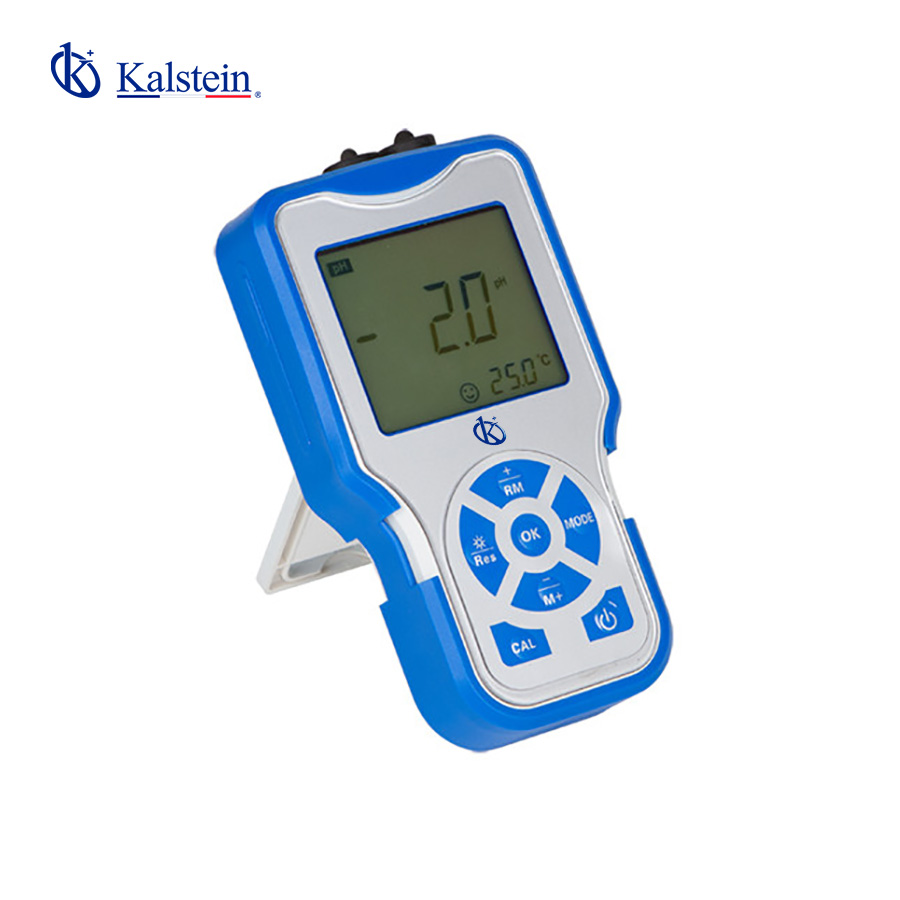
How to Integrate Portable Ion Meters with LIMS and Optimize Data Flow
The integration of portable ion meters with Laboratory Information Management Systems (LIMS) is pivotal for enhancing laboratory workflows and data handling. This article discusses how various models of portable ion meters can seamlessly connect to LIMS, the benefits of digitalizing data flow, and provides a comparison of leading models in the market.
Understanding the Role of Portable Ion Meters in LIMS Integration
Portable ion meters are essential tools for measuring ion concentration and pH levels in various applications, from environmental testing to food and beverage quality assessment. The ability to integrate these devices with LIMS allows laboratories to automate data entry, enhance accuracy, and improve overall efficiency. By digitizing the workflow, laboratories can ensure that data is readily available for analysis and reporting, reducing the risk of human error.
Key Features for LIMS Integration
When considering the integration of portable ion meters with LIMS, specific features stand out as critical:
- Connectivity Options: Devices should support various communication protocols like USB, Bluetooth, or Wi-Fi for smooth data transfer.
- Data Formats: The meters should be capable of exporting data in formats compatible with LIMS, such as CSV or XML.
- Calibration and Diagnostics: Automatic calibration and diagnostic features help maintain the accuracy of measurements and simplify data validation processes.
Comparative Analysis of Portable Ion Meter Models
Below is a comparative table of various portable ion meter models and their features relevant to LIMS integration:
| Model | Connectivity | Protocols Supported | Integration Effort | Best For |
|---|---|---|---|---|
| YR01816 | USB, Bluetooth | ASTM | Moderate | General Laboratory Use |
| YR01817-1 | Wi-Fi | HL7 | Low | Outdoor Testing |
| YR01817-10 | Bluetooth | REST | High | Advanced Research |
| YR01817-11 | USB | LIS2-A2 | Moderate | Food Testing |
| YR01817-12 | Wi-Fi | Custom API | Low | Environmental Monitoring |
| YR01817-13 | USB, Bluetooth | ASTM | Moderate | Water Quality Testing |
Common Mistakes and How to Avoid Them
When integrating portable ion meters with LIMS, laboratories often encounter pitfalls that can hinder the effectiveness of the system. Here are some common mistakes and strategies to avoid them:
- Neglecting Compatibility: Always verify that the meter's data export formats align with LIMS requirements to avoid data loss.
- Overlooking Calibration Needs: Regular calibration is essential for ensuring accurate measurements. Schedule routine checks and maintain a calibration log.
- Skipping Training: Proper training for staff on handling both the ion meters and the LIMS is crucial to maximize efficiency and minimize errors.
Benefits of Digitalizing Data Flow in Laboratories
Digitalization in laboratories offers numerous advantages, particularly in data integrity and management:
- Increased Efficiency: Automated data entry significantly reduces the time spent on manual input, allowing scientists to focus on analysis.
- Improved Accuracy: Integrated systems minimize human error, resulting in more reliable data for decision-making.
- Enhanced Reporting: With real-time data access, generating reports becomes streamlined and less prone to errors.
How to Ensure Successful LIMS Integration
To successfully integrate portable ion meters with LIMS, laboratories must follow a strategic approach:
- Assess Current Systems: Evaluate existing hardware and software to understand integration capabilities and limitations.
- Choose the Right Model: Select a portable ion meter that aligns with your laboratory's needs, focusing on connectivity and compatibility.
- Plan for Implementation: Develop a clear implementation plan, including timelines, testing phases, and staff training.
Frequently Asked Questions
How does LIMS integration improve data management with portable ion meters?
LIMS integration enhances data management by automating data entry from portable ion meters like the YR01816, which supports various protocols. This reduces human error and ensures data accuracy, making it easier to manage and analyze results effectively.
What are the best practices for calibrating portable ion meters before LIMS integration?
Best practices for calibrating portable ion meters, such as the YR01817-1, include following manufacturer instructions, using certified calibration standards, and scheduling regular calibration checks to maintain measurement accuracy before integrating with LIMS.
Which portable ion meter model offers the best connectivity for LIMS?
The YR01817-10 model provides excellent connectivity options, including Wi-Fi and Bluetooth, making it ideal for integrating with LIMS. Its compatibility with various protocols ensures easy data transfer and integration.
How can I evaluate the cost-effectiveness of portable ion meters in my lab?
To evaluate cost-effectiveness, consider models like the YR01816 and YR01817-1, assessing initial costs, maintenance expenses, and efficiency improvements. A cost-benefit analysis can help measure ROI over time.
What are the challenges of integrating portable ion meters with LIMS?
Challenges can include compatibility issues, data format discrepancies, and the need for proper training. Selecting models like the YR01817-11 that have proven track records for integration can mitigate these challenges.
How can I ensure my portable ion meter data is secure in LIMS?
To ensure data security, opt for portable ion meters with encryption capabilities, such as the YR01817-12, and establish strict access controls within your LIMS to protect sensitive data during transmission and storage.
What role does staff training play in successful LIMS integration?
Staff training is crucial for understanding the functionalities of both portable ion meters and LIMS. Effective training ensures proper usage, minimizes errors, and maximizes the benefits of integration, especially with models like the YR01817-13.
How does real-time data access from portable ion meters enhance laboratory operations?
Real-time data access from portable ion meters, such as the YR01816, enhances laboratory operations by providing immediate insights for decision-making and enabling timely adjustments in processes, ultimately improving productivity.
If you are looking for a fusion of innovation and quality, you have come to the right place. At Kalstein, we offer you the luxury of exploring our exclusive catalog of laboratory equipment. We manufacture every device to the highest standards of excellence. Our intuitive and seamless online purchasing channels are designed for your convenience, securing the most competitive prices. Hesitate no longer — we bring science to life, it is time to become part of our community.