How to Integrate Oil Baths with LIMS for Data Digitalization
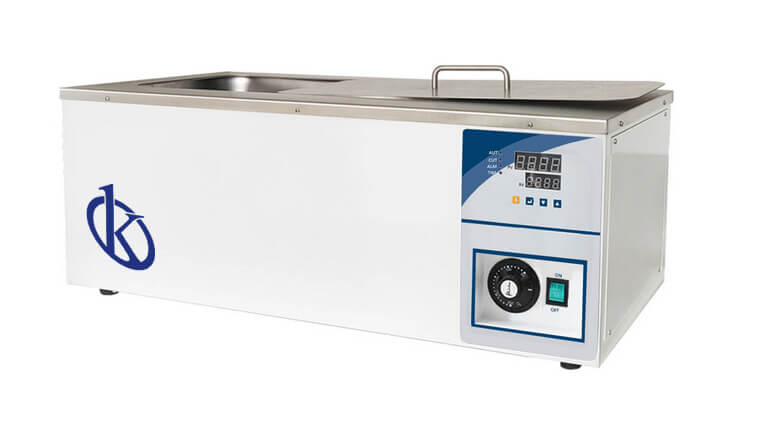
In laboratories where precision and control are paramount, the integration of oil baths with Laboratory Information Management Systems (LIMS) represents a significant advancement. Oil baths, such as the YR04973, YR04974, YR04975, and YR04976 models, play a crucial role in various applications including bioengineering, medical research, and chemical processing. This article delves into how these oil baths can be integrated with LIMS, enhancing data digitalization and streamlining laboratory workflows.
Understanding Oil Baths and Their Applications
Oil baths provide a stable and controlled environment for various laboratory processes. The YR series oil baths are designed to maintain uniform temperatures, which is essential for experiments that require precise thermal conditions. For instance, the YR04973 model operates within a temperature range of RT +5 to 250°C, making it suitable for diverse applications from heating to maintaining reaction temperatures. Each model in this series is equipped with advanced microcomputer control systems that ensure quick heating and temperature stability.
Benefits of LIMS Integration
Integrating oil baths with LIMS offers numerous benefits, including improved data management, enhanced traceability, and increased operational efficiency. Laboratories can automate data collection from instruments, manage sample tracking, and ensure compliance with regulatory standards. This integration allows for real-time monitoring of temperature data from oil baths, which can be crucial for quality assurance and experimental reproducibility.
Key Connectivity Protocols for LIMS Integration
To achieve successful integration, understanding the connectivity protocols is essential. Common protocols include ASTM, HL7, and RESTful APIs. These protocols facilitate communication between the oil baths and LIMS, allowing for seamless data transfer. For example, the oil baths can be configured to send temperature readings directly to the LIMS, ensuring that all data is accurately recorded and easily accessible.
Implementation Strategies for Successful Integration
Implementing LIMS integration requires careful planning and execution. Establishing a clear connection strategy is vital, and that often includes: defining the data to be collected, setting up the integration architecture, and conducting validation tests to ensure data integrity. For instance, the YR04975 oil bath can be connected to LIMS using its PID controller to automate the logging of temperature data.
Cost Implications of LIMS Integration
Investing in LIMS integration may involve initial capital expenditure (CAPEX), but it can significantly reduce operational costs in the long term. By minimizing manual data entry, reducing errors, and enhancing workflow efficiency, laboratories can achieve cost savings that justify the integration costs. For example, the efficient use of oil baths can lower energy consumption and enhance throughput.
Typical Challenges in Integration and Their Solutions
While integrating oil baths with LIMS can yield substantial benefits, challenges may arise, such as compatibility issues between systems and data integrity concerns. To mitigate these challenges, it is crucial to conduct a thorough analysis of the current systems and ensure that all components are compatible. Regular maintenance and updates to both the oil baths and LIMS can also help in minimizing disruptions.
Comparison of Available Models
| Model | Temperature Range (°C) | Power (W) | Best For |
|---|---|---|---|
| YR04973 | RT +5~250 | 1000 | Bioengineering applications |
| YR04974 | RT +5~250 | 1200 | Chemical processing |
| YR04975 | RT +5~250 | 1600 | Medical research |
| YR04976 | RT +5~250 | 2000 | General laboratory use |
Common Mistakes and How to Avoid Them
When integrating oil baths with LIMS, common mistakes include overlooking data validation and failing to ensure compatibility between systems. To avoid these issues, laboratories should develop a comprehensive integration plan, including thorough testing and validation steps. Additionally, training staff on both the oil baths' functionality and LIMS operations can help in minimizing operational errors.
Frequently Asked Questions
How can I ensure my oil bath is compatible with LIMS for data management?
To ensure compatibility, verify that your oil bath model, such as YR04974, supports standard connectivity protocols like ASTM or HL7. This will allow for seamless data transfer to your LIMS, enhancing your data management capabilities.
What are the benefits of digitalizing data from oil baths in laboratory experiments?
Digitalizing data from oil baths allows for real-time monitoring, improved traceability, and error reduction. Models like the YR04976 can automatically log temperature data into LIMS, ensuring all experimental conditions are accurately documented.
Which oil bath model is best for high-precision temperature control in my lab?
The YR04975 model is an excellent choice for applications requiring high-precision temperature control, operating within a range of RT +5 to 250°C. Its PID controller allows for accurate temperature settings, making it ideal for sensitive experiments.
How do I minimize errors during data entry from oil baths to LIMS?
Utilizing automated data logging features present in models like the YR04973 can significantly reduce manual data entry errors. This model facilitates direct communication with LIMS for accurate and real-time data entry.
What is the average cost of oil baths when integrated with laboratory data systems?
The average cost of oil baths ranges from $150 for the YR04973 model to $250 for the YR04976 model. Integrating these devices with LIMS can improve cost efficiency through reduced labor and increased accuracy.
How can I ensure compliance with regulatory standards using my oil bath?
Ensuring compliance requires using models that can accurately maintain set temperatures, such as the YR04974. Regular calibration and documentation within LIMS are essential for meeting regulatory standards.
What steps should I take to implement a successful LIMS integration with my oil bath?
Start by defining the data required for integration, selecting compatible oil bath models, and establishing a clear connection strategy. Conduct thorough testing and ensure staff training for optimal operation.
How does LIMS integration improve laboratory efficiency with oil baths?
LIMS integration streamlines data collection and management, allowing for real-time analysis and decision-making. For example, the YR04975 can automatically feed data into the LIMS, increasing throughput and reducing downtime.
If you are looking for a fusion of innovation and quality, you have come to the right place. At Kalstein, we offer you the luxury of exploring our exclusive catalog of laboratory equipment. We manufacture every device to the highest standards of excellence. Our intuitive and seamless online purchasing channels are designed for your convenience, securing the most competitive prices. Hesitate no longer — we bring science to life, it is time to become part of our community.