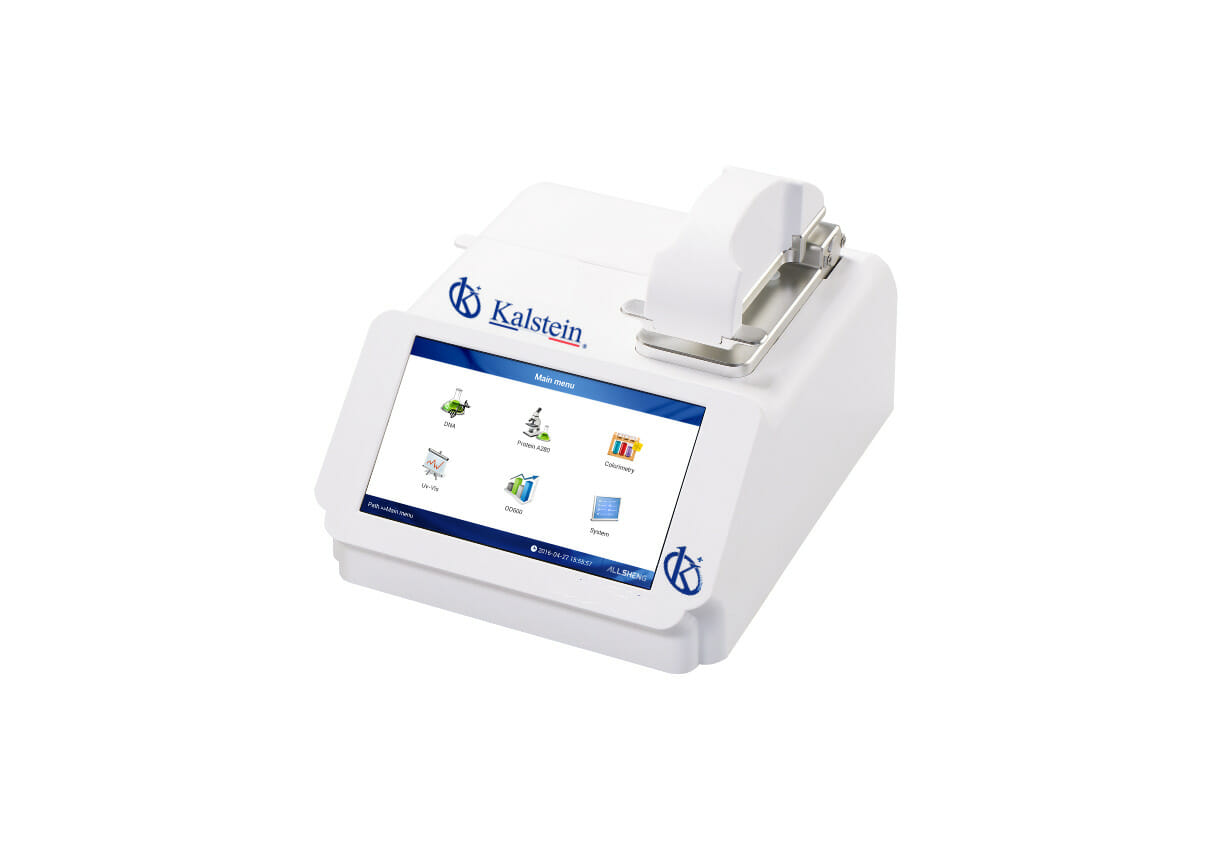
How to Integrate Micro-Spectrophotometers with LIMS for Enhanced Data Digitalization?
In the modern laboratory environment, efficiency and accuracy are paramount. Micro-spectrophotometers have emerged as essential tools for various applications, including the measurement of nucleic acids and proteins. However, to maximize their potential, integrating these instruments with Laboratory Information Management Systems (LIMS) is crucial. This article delves into the advantages of such integration, outlining specific models, technical specifications, and best practices for achieving seamless data workflows.
Understanding the Role of Micro-Spectrophotometers in Laboratory Workflows
Micro-spectrophotometers are compact analytical instruments designed to measure the absorbance and transmission of light through small sample volumes. These devices are pivotal in molecular biology for quantifying nucleic acids and proteins, essential for various applications, including research, diagnostics, and quality control.
Integrating micro-spectrophotometers with LIMS not only streamlines data management but also enhances data integrity and traceability. Laboratories can automate data entry, reduce human error, and ensure compliance with regulatory standards by connecting these devices to LIMS.
Key Benefits of LIMS Integration
Integrating micro-spectrophotometers with LIMS offers several key benefits:
- Improved Data Accuracy: Automated data transfer from the micro-spectrophotometer to the LIMS reduces manual entry errors.
- Enhanced Workflow Efficiency: LIMS can streamline sample processing, allowing for faster turnaround times.
- Traceability and Compliance: Integration ensures that all data is correctly recorded and easily retrievable for audits or regulatory compliance.
- Data Consolidation: Centralized data management allows easy access to various analyses and results.
Comparison of Available Models
| Model | Wavelength Range | Minimum Sample Size | Data Output | Best for |
|---|---|---|---|---|
| YR06033-1 | 200-800 nm | 0.5-2.0 μl | USB | General nucleic acids and protein analysis |
| YR06034 | 260 nm, 280 nm | 1-2.0 μl | USB | Basic nucleic acid quantification |
| YR06035 | 200-800 nm | 0.5-2.0 μl | USB | Advanced analysis including bacterial concentration |
| YR06033 | 190-1100 nm | 1 μl | USB | Comprehensive analysis with high sensitivity |
Technical Specifications for Effective Integration
When integrating micro-spectrophotometers with LIMS, understanding their technical specifications is vital. Each model has unique features that cater to different laboratory needs:
YR06033-1 Specifications
- Wavelength Range: 200-800 nm
- Detector Type: 2048 line CCD
- Measurement Time: Less than 5 seconds
YR06034 Specifications
- Wavelength Range: 260 nm, 280 nm
- Detector Type: UV photodiode
- Measurement Time: Less than 6 seconds
YR06035 Specifications
- Wavelength Range: 200-800 nm
- Detector Type: Linear 2048 pixel CCD
- Measurement Time: Less than 6 seconds
YR06033 Specifications
- Wavelength Range: 190-1100 nm
- Detector Type: 2048 pixel CCD
- Measurement Time: 5 seconds
Common Mistakes and How to Avoid Them
Laboratories often face challenges when integrating micro-spectrophotometers with LIMS. Here are some common mistakes and strategies to avoid them:
- Neglecting Data Compatibility: Ensure that the data formats of the micro-spectrophotometer align with the LIMS requirements.
- Overlooking User Training: Provide comprehensive training for lab personnel on using integrated systems effectively.
- Failing to Validate Integration: Conduct thorough validation of the integration before full implementation to ensure data integrity.
Frequently Asked Questions
How does LIMS integration improve the efficiency of micro-spectrophotometers?
LIMS integration enhances efficiency by automating data transfer between the micro-spectrophotometer and the laboratory management system. For instance, the YR06033-1 can provide results in under 5 seconds, which can be automatically entered into the LIMS, reducing processing time significantly.
What features should I look for in a micro-spectrophotometer for LIMS integration?
When selecting a micro-spectrophotometer, seek models with USB data output, such as the YR06034 which offers easy connectivity, and a wavelength range suited for your applications. This ensures compatibility and smooth data transfer with your LIMS.
Which micro-spectrophotometer is best for nucleic acid quantification and LIMS integration?
The YR06035 is highly recommended for nucleic acid quantification, featuring a wide wavelength range and fast measurement times. Its USB output allows for seamless integration with LIMS, enhancing workflow efficiency in laboratories.
What challenges might arise when connecting a micro-spectrophotometer to LIMS?
Challenges may include data format incompatibility and the need for extensive training on both systems. It is crucial to ensure that the model selected, such as the YR06033, supports standard communication protocols for smooth integration.
How can I ensure compliance with regulatory standards using micro-spectrophotometers?
To ensure compliance, choose models like the YR06034 that provide accurate measurements and integrate them with LIMS that support regulatory compliance monitoring. This combination enhances traceability and data integrity in laboratory practices.
What is the expected ROI from integrating micro-spectrophotometers with LIMS?
The ROI can vary, but integrating a model like the YR06035 can significantly reduce sample processing time and improve data accuracy, leading to cost savings and enhanced productivity in laboratory operations.
How do I choose the right micro-spectrophotometer model for my lab?
Select the model based on your specific needs, such as sample volume requirements and measurement speed. The YR06033-1, for example, is versatile for various applications and offers rapid analysis for laboratories focused on efficiency.
What are the main features of the YR06033 micro-spectrophotometer?
The YR06033 features a wavelength range of 190-1100 nm, high precision with low sample volume requirements, and a user-friendly interface. Its capabilities make it an excellent choice for integration with LIMS for greater data management efficiency.
If you are looking for a fusion of innovation and quality, you have come to the right place. At Kalstein, we offer you the luxury of exploring our exclusive catalog of laboratory equipment. We manufacture every device to the highest standards of excellence. Our intuitive and seamless online purchasing channels are designed for your convenience, securing the most competitive prices. Hesitate no longer — we bring science to life, it is time to become part of our community.