How to Integrate Honey Refractometers with LIMS for Data Digitalization
The integration of honey refractometers with Laboratory Information Management Systems (LIMS) is becoming increasingly essential for laboratories focused on quality control and data management. Honey refractometers, such as the YR05885, YR05885-1, YR05885-2, and YR05886, are designed to measure the sugar concentration in honey and other sugar-related liquids. This article will guide you through the critical aspects of integrating these devices with LIMS to optimize data flow and enhance laboratory efficiency.
Understanding Honey Refractometers
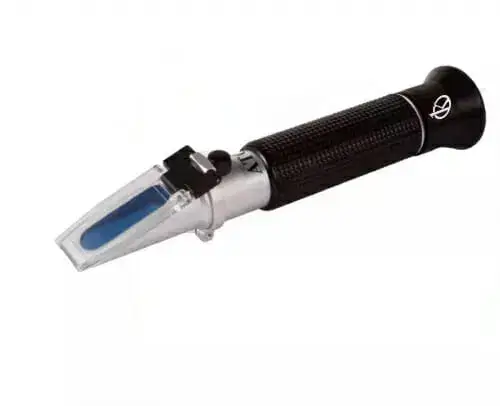
Honey refractometers are precision instruments used to measure the concentration of sugar in various liquids, including honey itself. The YR05885, for instance, measures Brix levels from 58-92%, which is essential for determining the quality and maturity of honey. These instruments are vital for ensuring that honey meets industry standards and has the appropriate moisture content.
Importance of LIMS Integration
Integrating honey refractometers with LIMS allows for seamless data collection, storage, and analysis. By digitizing the data collection process, laboratories can reduce errors, enhance traceability, and improve overall workflow. This integration facilitates real-time data accessibility for laboratory professionals, enhancing decision-making processes.
How Integration Works
Integration typically involves connecting honey refractometers to LIMS software using various connectivity protocols, such as RESTful APIs or middleware. This connection enables the automatic transfer of measurement data from the refractometer directly to the LIMS, streamlining data entry processes and reducing manual error. For example, the YR05886 can automatically send readings to the LIMS, allowing for immediate updates to product quality tracking.
Data Digitalization Benefits
Data digitalization through LIMS integration significantly enhances the efficiency of laboratory operations. With real-time access to measurement data, laboratory managers can monitor trends in sugar concentration, manage inventory better, and ensure compliance with industry standards. Furthermore, digital records facilitate easy retrieval during audits or inspections.
Challenges in Integration
Despite the benefits, several challenges may arise when integrating honey refractometers with LIMS. Compatibility issues may occur if the refractometer does not support the required communication protocols. Additionally, data format discrepancies can lead to integration hurdles. Ensuring both the hardware and software components are compatible is essential for successful implementation.
Best Practices for Integration
To successfully integrate honey refractometers with LIMS, follow these best practices: start by assessing the compatibility of the refractometer with your LIMS, utilize standard data exchange protocols for seamless communication, and conduct thorough testing of the integration before full deployment. Training staff on how to utilize the integrated system will further enhance the effectiveness of the solution.
Comparison of Available Models
| Model | Measurement Range | Min. Div. | Precision | Best For |
|---|---|---|---|---|
| YR05885 | 58-92% Brix | 0.50% Brix | ±0.5% Brix | Quality control in honey production |
| YR05885-1 | 58-92% Brix | 0.50% Brix | ±0.5% Brix | Field testing for sugar concentration |
| YR05885-2 | 58-92% Brix | 0.50% Brix | ±0.5% Brix | Industrial honey processing |
| YR05886 | 10-30% Water | 0.10% Water | ±0.10% Water | Testing honey water content |
Common Mistakes and How to Avoid Them
One common mistake when integrating honey refractometers with LIMS is underestimating the importance of compatibility checks. Ensure that both the refractometer model and the LIMS support the same communication standards to avoid integration delays. Additionally, not training staff adequately on the new system can lead to inefficiencies. Providing thorough training sessions can help prevent operational disruptions.
Frequently Asked Questions
How can I integrate a honey refractometer with my LIMS for better data management?
Integrating a honey refractometer, such as the YR05885, with your LIMS can be achieved using standard communication protocols like REST APIs. This allows automatic data transfer, enhancing data management and reducing manual entry errors.
What are the key benefits of using honey refractometers in a digitalized laboratory environment?
Utilizing honey refractometers in a digitalized lab enhances data accuracy and accessibility. For instance, the YR05886 provides precise measurements that can be directly integrated into LIMS, improving quality control processes.
Which honey refractometer model offers the best precision for quality control?
The YR05885 is highly regarded for its precision in measuring Brix levels, with an accuracy of ±0.5% Brix. This level of precision makes it suitable for stringent quality control in honey production.
How much time can LIMS integration save in a honey testing laboratory?
Integrating your honey refractometers with LIMS can save significant time by automating data entry and retrieval processes. For example, using the YR05885 model can streamline workflows, potentially reducing testing time by over 20%.
What troubleshooting steps should I take if my honey refractometer is not communicating with LIMS?
If your honey refractometer, like the YR05886, is not communicating with LIMS, first verify the connection settings and communication protocols. Ensure that all software updates are current and consult the user manual for troubleshooting steps.
What maintenance practices should I follow to ensure accurate readings from my honey refractometer?
Regular calibration of your honey refractometer, such as the YR05885, is essential for maintaining accuracy. Follow a calibration schedule based on usage frequency and ensure that the device is cleaned properly after each use to prevent contamination.
How do I ensure data integrity when integrating honey refractometers with LIMS?
To ensure data integrity during integration, utilize secure communication protocols and regularly audit data entries. The YR05885 model's data can be logged in LIMS, helping to maintain accurate records and enhance traceability.
What industry standards should I consider when selecting a honey refractometer?
When selecting a honey refractometer, consider models that comply with industry standards for precision and accuracy. The YR05886, for example, meets rigorous testing requirements, making it suitable for laboratory environments.
If you are looking for a fusion of innovation and quality, you have come to the right place. At Kalstein, we offer you the luxury of exploring our exclusive catalog of laboratory equipment. We manufacture every device to the highest standards of excellence. Our intuitive and seamless online purchasing channels are designed for your convenience, securing the most competitive prices. Hesitate no longer — we bring science to life, it is time to become part of our community.