How to Integrate Hematology Reagents with LIMS for Data Digitization
In today's rapidly evolving laboratory environment, the integration of hematology reagents with Laboratory Information Management Systems (LIMS) is transforming how laboratories manage their workflows and data. By digitizing the flow of information, laboratories can achieve enhanced accuracy, efficiency, and compliance. This article explores various hematology reagents and their integration with LIMS, focusing on the specific advantages this integration brings to laboratory operations.
The Importance of LIMS Integration in Hematology
Laboratories face growing demands for data accuracy and efficiency in processing hematology reagents. LIMS integration provides a solution by enabling seamless data flow between analyzers and laboratory management systems. This connection allows for real-time tracking of samples, reducing human error and improving productivity. Hematology reagents such as the YRA45, YRA46, YRA47, and others play a vital role in this process, ensuring the reliability of results while streamlining operations.
Key Features of Hematology Reagents
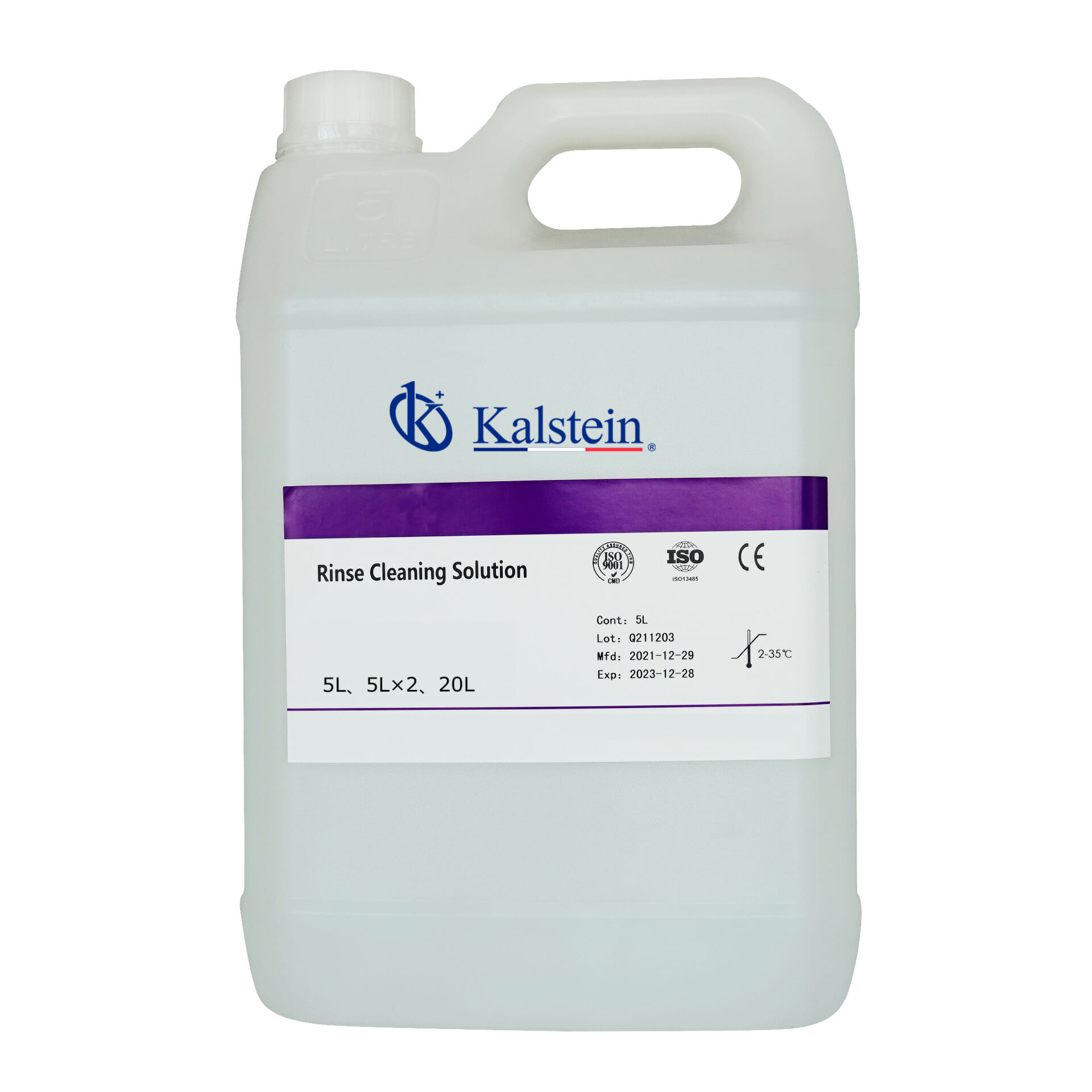
Hematology reagents are essential in various laboratory applications, including blood cell analysis and hemoglobin measurement. The YRA45 serves as a cleaning solution for blood cell analyzers, while YRA46 and YRA47 facilitate the lysis of red blood cells, critical for accurate hematological assessments. Each reagent not only performs its designated function but also contributes significantly to the overall efficiency of laboratory processes when integrated with a LIMS.
Benefits of Data Digitization Through LIMS
Digitization of data through LIMS integration allows laboratories to automate sample tracking, manage inventory, and ensure compliance with industry standards. By utilizing hematology reagents like YRA48 and YRA49, laboratories can enhance their analytical capabilities while ensuring that data management is efficient and accurate. Digitization also provides greater access to data analytics, helping laboratories to improve their operations continually.
Connectivity Protocols for Integration
To successfully integrate hematology reagents with LIMS, understanding connectivity protocols is crucial. Common protocols include HL7, ASTM, and REST APIs. These protocols facilitate communication between analyzers and LIMS, allowing for efficient data transfer and management. For example, using the YRA50 with LIMS ensures that data regarding reagent usage and sample results are automatically logged in real-time, enhancing traceability and accessibility.
Challenges in LIMS Integration
Despite the significant benefits, integrating hematology reagents with LIMS presents challenges such as compatibility issues and the need for training laboratory staff. Laboratories may face hurdles in ensuring that all reagents, such as YRA51 and YRA52, are fully compatible with the chosen LIMS. Developing a comprehensive training program and conducting regular system evaluations can help mitigate these challenges.
Comparison of Available Models
| Model | Functionality | Integration Effort | Best For |
|---|---|---|---|
| YRA45 | Cleaning Solution | Medium | Blood Cell Analysis |
| YRA46 | Red Blood Cell Lyse | Low | Hematological Assessments |
| YRA47 | Clearing Solution | Medium | Sample Preparation |
| YRA48 | EZ Cleaner | Low | Rapid Cleaning |
| YRA49 | Probe Cleaner | High | Maintenance of Analyzers |
| YRA50 | Diluent | Medium | General Use |
Common Mistakes and How to Avoid Them
Integrating hematology reagents with LIMS can lead to several common mistakes, including underestimating the training needs of staff and not correctly assessing reagent compatibility. Laboratories should conduct comprehensive training sessions that cover both LIMS functionality and the specific requirements of each reagent. Additionally, testing compatibility before full-scale integration is crucial to ensure a seamless transition.
Frequently Asked Questions
How does LIMS integration improve management of hematology reagents?
LIMS integration enhances management of hematology reagents by automating data entry and sample tracking. For instance, using YRA45 in conjunction with a LIMS system allows laboratories to maintain accurate records for cleaning operations and reagent usage, resulting in reduced errors and improved efficiency.
What are the best practices for integrating YRA46 with LIMS?
Integrating YRA46, a red blood cell lyse, requires following best practices such as ensuring that the LIMS can handle ASTM protocols for sample processing. This alignment ensures that the data generated is compliant and reliable, which is critical for hematological assessments.
How can laboratories ensure compliance with ISO standards using hematology reagents?
Laboratories can ensure compliance with ISO standards by integrating YRA47 with a LIMS that tracks reagent usage and results. This integration provides traceability and accountability, which are essential for compliance with ISO 17025 standards covering testing and calibration laboratories.
What role do connectivity protocols play in LIMS integration for hematology reagents?
Connectivity protocols like HL7 and ASTM play a vital role in facilitating data exchange between hematology reagents such as YRA48 and LIMS. These protocols ensure that all data is accurately captured and managed, improving the overall efficiency of laboratory operations.
How can laboratories minimize the challenges of LIMS integration?
To minimize challenges during LIMS integration, laboratories should invest in training and consultation services. For instance, understanding the integration process for YRA49 can help identify potential issues early and ensure that all functions are smoothly incorporated into daily operations.
What are the benefits of using YRA50 in a digitalized laboratory environment?
Using YRA50, a diluent, in a digitalized laboratory environment allows for accurate tracking of reagent usage and sample interactions, which optimizes the overall workflow. This capability is crucial in maintaining high standards of quality control within laboratory operations.
How does real-time data tracking with LIMS enhance laboratory efficiency?
Real-time data tracking with LIMS enhances laboratory efficiency by providing immediate visibility into reagent usage and sample processing. For example, integrating YRA51 enables laboratories to monitor the performance of reagents as they are utilized, leading to timely adjustments and improved throughput.
How much can laboratories expect to save on costs through LIMS integration?
By integrating LIMS with hematology reagents, laboratories can expect savings on operational costs through reduced waste and improved efficiency. Analyzing costs related to YRA52 can illustrate potential savings, especially when considering the minimization of reagent overuse and errors in data entry.
If you are looking for a fusion of innovation and quality, you have come to the right place. At Kalstein, we offer you the luxury of exploring our exclusive catalog of laboratory equipment. We manufacture every device to the highest standards of excellence. Our intuitive and seamless online purchasing channels are designed for your convenience, securing the most competitive prices. Hesitate no longer — we bring science to life, it is time to become part of our community.