How to Integrate Digital Clinical Refractometers with LIMS for Data Digitization?
As the healthcare industry advances towards greater digitization, integrating laboratory instruments such as digital clinical refractometers with Laboratory Information Management Systems (LIMS) has become crucial for enhancing data flow, analytical accuracy, and operational efficiency. This integration not only streamlines processes but also ensures compliance with various industry regulations. In this article, we will explore the various aspects of integrating digital clinical refractometers, focusing on different models, their specific functionalities, and how they facilitate comprehensive data management within LIMS.
Understanding Digital Clinical Refractometers
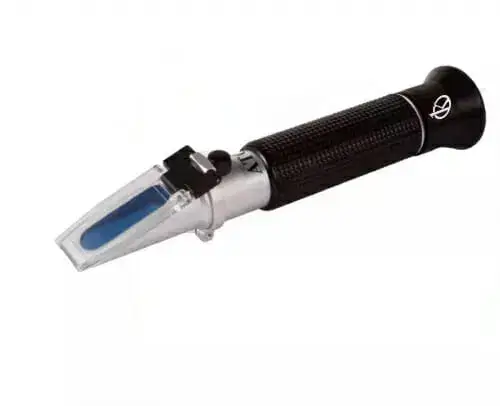
Digital clinical refractometers are essential tools in both veterinary and human clinical environments, used for measuring the refractive index of fluids to assess various parameters such as specific gravity (SG) and total serum protein (TP). These instruments are designed to provide rapid and accurate results, which can significantly improve clinical decision-making processes.
In the context of LIMS integration, using digital clinical refractometers like the Clinical Refractometer YR05915 and Digital BRIX Refractometers (YR05966, YR05967, YR05968) allows laboratories to enhance their data management capabilities. Each refractometer model offers unique features and precision levels that help in meeting specific clinical needs while ensuring that the data collected is seamlessly integrated into a LIMS.
Key Benefits of LIMS Integration
Integrating digital clinical refractometers with LIMS presents several benefits:
- Enhanced Data Accuracy: Automatic data transfer minimizes human error, ensuring high data integrity.
- Streamlined Workflow: Data collected from refractometers can be instantly available in the LIMS, saving valuable time.
- Regulatory Compliance: Integration aids in maintaining compliance with industry standards, such as CAP and ISO regulations, by providing traceability.
- Improved Reporting: Facilitates better analysis and reporting capabilities for clinical data, making it easier to derive insights.
Integration Protocols for Digital Clinical Refractometers
When integrating digital clinical refractometers with LIMS, it is crucial to understand the available connectivity protocols:
- HL7: Widely used for managing patient and laboratory data interchange.
- ASTM: Offers standardized data formats for laboratory equipment communication.
- REST APIs: Facilitates real-time data exchange between systems.
Choosing the right connectivity protocol is essential to ensure that the digital refractometer can communicate effectively with the LIMS.
Comparison of Available Models
| Model | Measurement Range | Best For | Integration Effort |
|---|---|---|---|
| YR05915 | 0-12g/dl, 1.000-1.050sg, 1.3300RI-1.3600RI | Veterinary and Human Use | Moderate |
| YR05966 | 1.000-1.050 SP.G. | General Clinical Use | Low |
| YR05967 | 0-12.1g/dl | Protein Measurement | Moderate |
| YR05968 | 1.3330-1.3900nD | Index of Refraction | High |
Common Mistakes and How to Avoid Them
Implementing LIMS integration can be challenging. Here are common mistakes and how to avoid them:
- Insufficient Training: Ensure that staff are adequately trained on both the refractometer and LIMS operation.
- Poor Planning: Create a thorough integration plan that includes timelines and resource allocation.
- Neglecting Testing: Conduct rigorous testing of the integration before going live to identify potential issues.
Case Study: LIMS Integration in Clinical Laboratories
A clinical laboratory implemented a LIMS integration with the YR05915 and YR05966 to improve workflow efficiency. They reported a 30% reduction in data entry errors and a 20% increase in report generation speed, significantly enhancing their operational capabilities.
Future Trends in Data Digitization in Clinical Laboratories
The future of clinical laboratories will see a stronger emphasis on data digitization. We expect advancements in artificial intelligence and machine learning to play a significant role in analyzing data collected from digital clinical refractometers. Moreover, the development of more sophisticated LIMS will facilitate better integration, offering enhanced analytics and reporting features.
Frequently Asked Questions
How can I choose a digital clinical refractometer for LIMS integration?
When selecting a digital clinical refractometer for LIMS integration, consider models like YR05915, which offers comprehensive measurement capabilities and is designed for both human and veterinary use. Look for features that support connectivity protocols compatible with your LIMS.
What are the connectivity protocols for digital clinical refractometers?
Digital clinical refractometers can utilize various connectivity protocols for integration with LIMS, including HL7, ASTM, and REST APIs. For example, the YR05966 model provides ease of integration through automatic temperature compensation and standardized outputs suitable for LIMS.
What is the impact of LIMS integration on laboratory efficiency?
Integrating LIMS with digital clinical refractometers significantly enhances laboratory efficiency by reducing manual data entry, improving accuracy, and speeding up report generation. Laboratories using models like YR05967 report higher throughput due to streamlined data management.
How does data digitization affect clinical workflows in laboratories?
Data digitization through LIMS integration allows for real-time data access, leading to faster decision-making and improved clinical outcomes. Models like YR05968 help in accurate data collection that feeds directly into LIMS, optimizing workflows.
Which digital clinical refractometers are best for veterinary use?
The Clinical Refractometer YR05915 is well-suited for veterinary applications, providing precise measurements necessary for assessing the health of animals. Its LIMS integration capability ensures seamless data management in veterinary settings.
Can I integrate multiple refractometer models into a single LIMS?
Yes, multiple refractometer models can be integrated into a single LIMS. For instance, a laboratory may use both YR05966 and YR05968 for different measurement purposes, allowing for comprehensive data management across various parameters.
What are the regulatory compliance benefits of integrating a refractometer with LIMS?
Integrating digital clinical refractometers like YR05915 with LIMS helps laboratories maintain compliance with regulations such as ISO 17025 by ensuring data integrity and traceability. This integration supports better documentation and audit readiness.
How much does it cost to implement LIMS integration with digital refractometers?
The cost of implementing LIMS integration can vary based on the models used, such as YR05966 or YR05967, as well as the complexity of the integration process. However, many laboratories find the ROI substantial due to efficiency gains and reduced errors.
If you are looking for a fusion of innovation and quality, you have come to the right place. At Kalstein, we offer you the luxury of exploring our exclusive catalog of laboratory equipment. We manufacture every device to the highest standards of excellence. Our intuitive and seamless online purchasing channels are designed for your convenience, securing the most competitive prices. Hesitate no longer — we bring science to life, it is time to become part of our community.