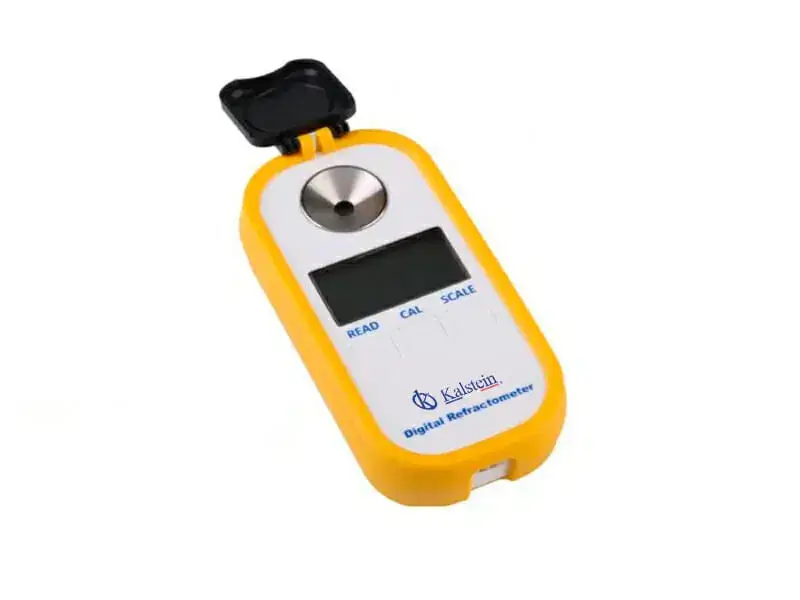
How to Integrate Digital BRIX Refractometers with LIMS for Data Streamlining
In modern laboratories, the need for accurate data management and analysis is paramount. Digital BRIX Refractometers have become essential tools for measuring the concentration of soluble solids in various liquid samples. These devices are particularly useful in food and beverage industries, where they help ensure product quality and consistency. Integrating these refractometers with Laboratory Information Management Systems (LIMS) can significantly streamline data workflows, enhance accuracy, and improve overall lab productivity. This article delves into the specifics of integrating Digital BRIX Refractometers with LIMS, addressing the benefits, models available, common mistakes, and frequently asked questions.
Understanding Digital BRIX Refractometers
Digital BRIX Refractometers are specialized instruments designed to measure the concentration of soluble solids, primarily sugars, in aqueous solutions. They feature automatic temperature compensation (ATC), allowing accurate measurements across a range of temperatures (0-40°C). Common applications include testing fruit juices, syrups, and beverages, ensuring the right concentration for quality control.
Benefits of Integrating Digital BRIX Refractometers with LIMS
Integrating Digital BRIX Refractometers with LIMS can provide numerous advantages, including:
- Data Accuracy: Direct data input reduces transcription errors and ensures that measurements are recorded accurately.
- Efficiency: Automated data transfer enables faster processing times, allowing laboratories to handle a higher volume of samples.
- Traceability: Integration supports better traceability of measurements, essential for compliance and quality assurance in regulated industries.
- Streamlined Workflows: LIMS can manage and analyze data more effectively, facilitating reporting and decision-making processes.
Comparison of Available Models
| Model Code | Measurement Range | Precision | Best For | Integration Capability |
|---|---|---|---|---|
| YR05944 | Brix: 0.0-50.0% | ±0.2% | Fruit juices, syrups | Supports REST API |
| YR05945 | Brix: 0.0-90.0% | ±0.2% | Coffee, beverages | Supports ASTM protocols |
| YR05946 | 1.3330-1.5177 nD | ±0.0003 nD | Broader applications | Middleware compatible |
| YR05947 | Dextran: 0.0-10.6% | ±0.2% | Pharmaceuticals | Integrates with LIMS |
| YR05948 | Fructose: 0.0-68.9% | ±0.2% | Food testing | Compatible with HL7 |
| YR05949 | Glucose: 0.0-59.9% | ±0.2% | Baking industry | Supports API integration |
Common Mistakes and How to Avoid Them
When integrating Digital BRIX Refractometers with LIMS, laboratories often encounter several common pitfalls:
- Neglecting Software Compatibility: Ensure that the refractometer software is compatible with your LIMS to allow for seamless data transfer.
- Ignoring User Training: Proper training on both the refractometer and the LIMS is essential for effective integration.
- Overlooking Calibration: Regular calibration of the refractometer is crucial for maintaining accuracy. Establish a calibration schedule to ensure compliance.
Specific Considerations for LIMS Integration
Successful LIMS integration requires understanding various connectivity protocols. Here are essential aspects to consider:
- Communication Protocols: Familiarize yourself with protocols such as ASTM or HL7 that may be required for data transfer.
- Data Sovereignty: Understand data storage regulations applicable in your region to ensure compliance during data transfer.
- Integration Architecture: Build a robust integration architecture that allows for the efficient flow of data between the refractometer and LIMS.
Data Workflow Optimization Through LIMS
Data workflows can be significantly optimized when Digital BRIX Refractometers are integrated with LIMS. This can lead to improved sample tracking, faster report generation, and better data analysis. Automated data entry reduces manual handling, which minimizes errors and accelerates processes.
Frequently Asked Questions
How can I implement LIMS integration with Digital BRIX Refractometers effectively?
Implementing LIMS integration effectively involves ensuring compatibility between your LIMS and the Digital BRIX Refractometers, such as the YR05944. Coordinate with your IT department to set up necessary communication protocols like REST or ASTM, ensuring smooth data flow.
What are the benefits of using a Digital BRIX Refractometer in a LIMS?
The primary benefits include enhanced data accuracy, improved efficiency, and better traceability. For instance, using the YR05945 model can help streamline syrup testing processes, ensuring quality compliance through accurate data management within your LIMS.
Which Digital BRIX Refractometer model is best for beverage testing?
The Digital BRIX Refractometer YR05945 is particularly well-suited for beverage testing, measuring Brix levels up to 90%. This range allows laboratories in the beverage industry to maintain consistent quality control through LIMS integration.
What specific protocols should I consider for Digital BRIX Refractometer integration?
Consider protocols like ASTM and HL7 for integrating Digital BRIX Refractometers with LIMS. For example, the YR05946 model supports various protocols to facilitate seamless data communication and enhance laboratory efficiency.
How often should I calibrate my Digital BRIX Refractometer?
Calibration should be performed regularly, at least once a month or before critical measurements. For instance, the YR05949 model requires calibration checks to ensure precision when measuring glucose concentrations in laboratory settings.
What common mistakes should I avoid when integrating LIMS with Digital BRIX Refractometers?
Avoid neglecting user training and software compatibility checks. Notably, thoroughly train staff on the YR05944 model's functionalities to ensure efficient use and integration with your LIMS.
How does LIMS integration improve data accuracy in laboratories?
LIMS integration reduces manual data entry errors and ensures accurate real-time data recording. For example, using the YR05945 model, data can be automatically transferred to LIMS, greatly enhancing laboratory accuracy and efficiency.
What is the cost of integrating Digital BRIX Refractometers with LIMS?
The integration cost can vary based on your existing LIMS infrastructure and the specific models used. Typically, the investment in models like the YR05946 can lead to long-term savings through improved data management and reduced errors.
If you are looking for a fusion of innovation and quality, you have come to the right place. At Kalstein, we offer you the luxury of exploring our exclusive catalog of laboratory equipment. We manufacture every device to the highest standards of excellence. Our intuitive and seamless online purchasing channels are designed for your convenience, securing the most competitive prices. Hesitate no longer — we bring science to life, it is time to become part of our community.