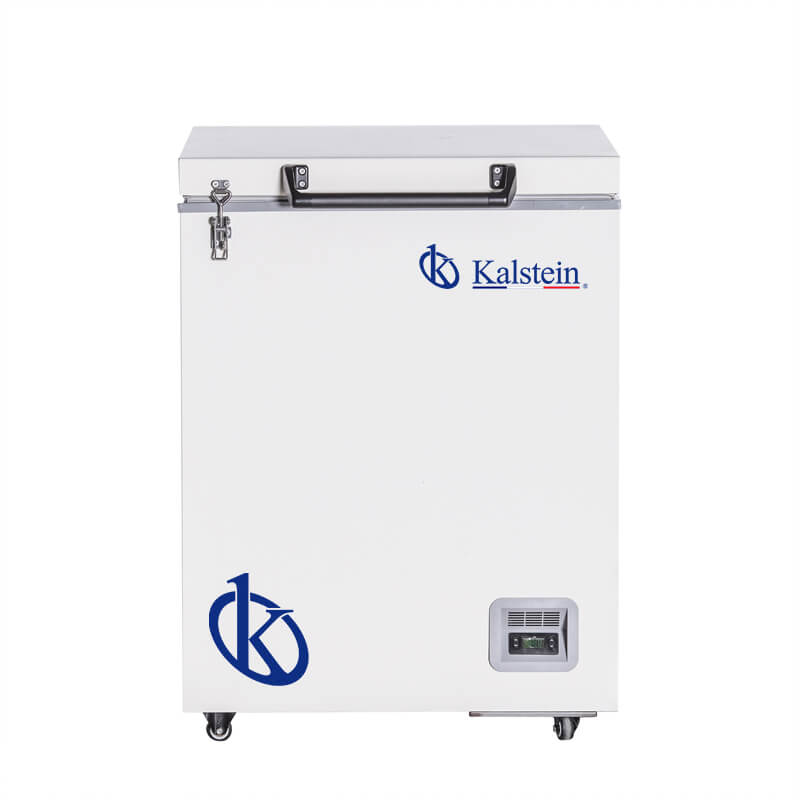
How to Integrate Chest Freezers with LIMS for Effective Data Flow Management?
In modern laboratories, the integration of chest freezers with Laboratory Information Management Systems (LIMS) has become increasingly crucial. This integration facilitates streamlined data management, enhances workflow efficiency, and ensures compliance with regulatory standards. This article will delve into various chest freezer models, evaluate their compatibility with LIMS, and provide insights into how to optimize data flow in laboratory settings.
Understanding the Importance of LIMS Integration
LIMS integration enables laboratories to manage samples, monitor inventory, and maintain records efficiently. A well-integrated system reduces the chances of human error, enhances traceability, and ensures compliance with standards such as ISO 17025. By connecting chest freezers with LIMS, laboratories can automate temperature monitoring, alerting staff to any deviations that could compromise sample integrity.
Benefits of Integrating Chest Freezers with LIMS
- Improved Data Accuracy: Automating data entry reduces human error.
- Enhanced Traceability: Every sample's storage conditions can be tracked.
- Regulatory Compliance: Helps in meeting guidelines set by organizations like ISO.
Comparison of Available Models
| Model | Temperature Range (°C) | Energy Consumption (kWh/24h) | Best for |
|---|---|---|---|
| YR05102 | -10 to -40 | 1.65 | General laboratory use |
| YR05103 | -10 to -40 | 1.68 | Research applications |
| YR05104 | -20 to -40 | 3.45 | Long-term storage |
| YR05314 | -40 to -86 | 11.5 | Biomedical applications |
| YR05313 | -40 to -86 | 3.8 | Small volume storage |
| YR05315 | -25 to -60 | 3.2 | Vaccine storage |
Data Flow Management Techniques
Effective data flow management requires understanding connectivity protocols that facilitate LIMS integration. Protocols such as HL7, ASTM, and REST are essential in ensuring seamless data exchange between the chest freezers and the LIMS. Implementing a bi-directional interface allows for real-time updates, ensuring that all records are current and accurate.
Common Connectivity Protocols
- HL7: Primarily used for clinical data exchange.
- ASTM: Commonly applied for laboratory instruments.
- REST: Facilitates data access and manipulation over the web.
Factors to Consider for Effective Integration
When integrating chest freezers with LIMS, consider factors such as compatibility with existing systems, ease of use, and the cost of integration. Additionally, evaluate the support provided by manufacturers for LIMS integration. Some models, like the YR05314, offer advanced features specifically designed for biomedical applications, making them ideal for laboratories focusing on vaccine storage and similar tasks.
Common Mistakes and How to Avoid Them
One common mistake is underestimating the complexity of data integration. Ensure that your team is adequately trained to handle LIMS and understand how it interacts with the chest freezer systems. Additionally, neglecting to regularly update both the LIMS and freezer firmware can lead to compatibility issues and data loss.
Frequently Asked Questions
How can LIMS integration enhance data management for chest freezers?
LIMS integration enhances data management by automating sample tracking and monitoring storage conditions in chest freezers like the YR05102, ensuring compliance with ISO 17025 standards.
What temperature ranges do chest freezers support for lab samples?
Chest freezers such as the YR05314 support temperature ranges from -40 to -86 °C, making them suitable for storing sensitive lab samples, including biological materials.
Which chest freezer model is best for LIMS integration in biomedical labs?
The YR05314, designed for ultra-low temperatures, is well-suited for biomedical labs requiring stringent LIMS integration to maintain precise data on sample storage conditions.
How does energy consumption vary among different chest freezers?
Energy consumption varies significantly; for instance, the YR05104 consumes 3.45 kWh/24h while the YR05314 consumes 11.5 kWh/24h, reflecting their different temperature ranges and applications.
What are the risks of not having a LIMS-integrated chest freezer?
Without LIMS integration, labs risk data inaccuracies and compliance violations, which can jeopardize research quality and lead to potential legal ramifications.
How often should LIMS be updated to ensure effective data flow?
LIMS should be updated regularly, ideally quarterly, to ensure compatibility with equipment like the YR05103 and to incorporate the latest features and security protocols.
What steps are necessary for successful LIMS integration with a chest freezer?
Successful LIMS integration involves assessing compatibility, selecting appropriate protocols, training staff, and conducting thorough testing with models like the YR05313.
Which features should I look for in a chest freezer to ensure LIMS compatibility?
Look for features such as digital monitoring, adjustable temperature settings, and support for common protocols like ASTM to ensure compatibility with LIMS integration.
If you are looking for a fusion of innovation and quality, you have come to the right place. At Kalstein, we offer you the luxury of exploring our exclusive catalog of laboratory equipment. We manufacture every device to the highest standards of excellence. Our intuitive and seamless online purchasing channels are designed for your convenience, securing the most competitive prices. Hesitate no longer — we bring science to life, it is time to become part of our community.