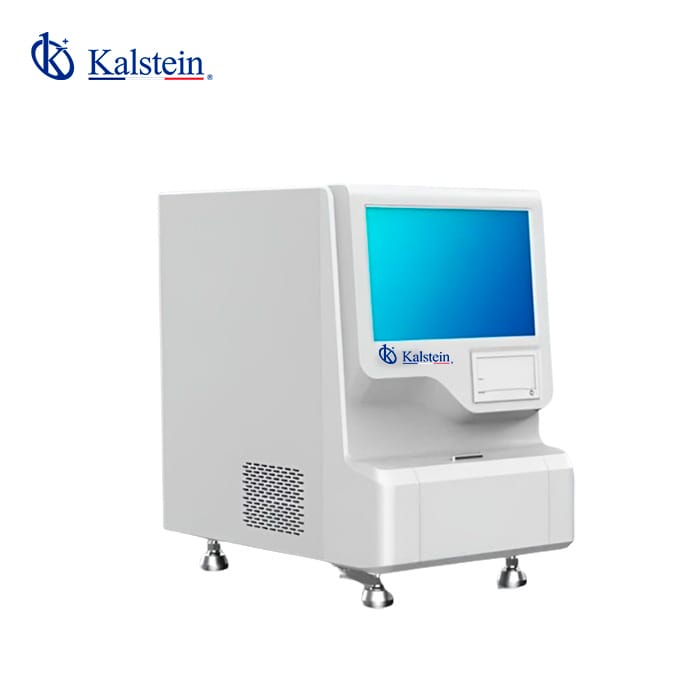
How to Integrate Chemiluminescence Immunoassay Analyzers with LIMS for Data Digitalization
In today's rapidly evolving laboratory environments, the integration of Chemiluminescence Immunoassay Analyzers with Laboratory Information Management Systems (LIMS) is critical for optimizing data management and digital workflow. This integration not only enhances the efficiency of clinical operations but also ensures compliance with regulatory standards. In this article, we will explore the various models of chemiluminescence immunoassay analyzers and how they can be integrated with LIMS to facilitate data digitalization.
The Importance of LIMS Integration in Clinical Laboratories
Laboratories are increasingly focusing on the need for streamlined processes and accurate data management. Integrating chemiluminescence immunoassay analyzers with LIMS allows for seamless data transfer, reducing manual input errors and improving overall operational efficiency. This integration supports compliance with ISO standards, such as ISO 17025, by ensuring traceability and accuracy in test results.
Key Features of Chemiluminescence Immunoassay Analyzers
Each model of chemiluminescence immunoassay analyzer offers distinct features that enhance laboratory workflows. For instance, the Full-Automatic Chemiluminescent Immunoassay Analyzer YR06387 supports a flexible 8-channel testing system, ideal for environments requiring adaptability in testing. Similarly, the Immunoassay Analyzer YR06390 boasts a remarkable processing speed of 220 tests per hour, making it suitable for high-throughput labs. Understanding these features is crucial for aligning them with LIMS capabilities.
Understanding Connectivity Protocols for LIMS Integration
Effective LIMS integration requires a solid understanding of connectivity protocols. Protocols such as HL7, ASTM, and REST are essential for ensuring that chemiluminescence immunoassay analyzers can communicate efficiently with existing laboratory systems. For example, the Chemiluminescent Immunoassay Analyzer YR06388 supports multiple sample types and can utilize these protocols for seamless data transfer.
Data Digitalization Benefits in Clinical Workflow
The digitalization of data through LIMS integration streamlines workflows in clinical laboratories. Automating data capture from analyzers reduces the time spent on manual entry, thereby enabling faster decision-making in patient care. Furthermore, digital records enhance data accuracy and support efficient long-term storage and retrieval, which are essential in compliance with regulations.
Comparison of Available Models
| Model | Data Integration Capability | Protocols Supported | Best Suited For |
|---|---|---|---|
| YR06387 | High | HL7, ASTM | General clinical labs |
| YR06388 | Medium | HL7 | Emergency labs |
| YR06389 | High | REST, ASTM | Urgent care facilities |
| YR06390 | Very High | HL7, REST, ASTM | High-throughput labs |
| YR06710 | Medium | HL7 | Small labs |
Common Mistakes and How to Avoid Them
One common mistake in integrating chemiluminescence immunoassay analyzers with LIMS is underestimating the importance of data mapping. Proper mapping ensures that data from analyzers is accurately received and understood by the LIMS. Additionally, labs often overlook the need for training staff on the new integrated system. Comprehensive training can significantly enhance the efficiency of the transition process.
Frequently Asked Questions
How can I ensure my chemiluminescence immunoassay analyzer meets ISO 17025 standards?
To ensure compliance with ISO 17025, laboratories using models like YR06389 should implement quality management systems and ensure regular calibration and validation of the analyzer’s performance. This model supports traceability features that are essential for meeting ISO requirements.
What are the best practices for integrating LIMS with chemiluminescence analyzers?
Best practices include assessing protocol support, mapping data fields accurately, and conducting thorough testing of the integration process. Models like YR06390 have advanced capabilities that facilitate smooth data transfer and integration with various LIMS protocols.
What connectivity protocols are essential for LIMS integration of immunoassay analyzers?
Protocols such as HL7, ASTM, and REST are vital for the integration of chemiluminescence immunoassay analyzers like YR06388 with LIMS, ensuring seamless communication and data exchange between devices and software systems.
What challenges might arise in LIMS integration for chemiluminescence analyzers?
Challenges can include data compatibility issues, insufficient training for staff, and underestimating the complexity of integration. Utilizing models like YR06387, known for their high data integration capabilities, can mitigate these issues.
How does the choice of immunoassay analyzer affect LIMS integration?
The choice of analyzer impacts integration due to varying compatibility with LIMS protocols. For example, models like YR06390 offer extensive support for multiple protocols, enhancing the efficiency of the integration process.
What are the cost implications of integrating LIMS with chemiluminescence analyzers?
Integrating LIMS with models such as YR06388 may involve initial costs related to software adaptation and training but can result in long-term savings through increased efficiency and reduced error rates in data management.
Which chemiluminescence analyzers are optimal for high-throughput environments?
Models like YR06390, which achieves a processing speed of 220 tests per hour, are optimal for high-throughput environments, ensuring that integration with LIMS supports rapid data processing and reporting.
How does LIMS improve compliance in laboratories using chemiluminescence analyzers?
LIMS improves compliance by automating data collection and documentation processes, ensuring that results from models like YR06389 are traceable and meet regulatory requirements such as those outlined in ISO 17025.
If you are looking for a fusion of innovation and quality, you have come to the right place. At Kalstein, we offer you the luxury of exploring our exclusive catalog of laboratory equipment. We manufacture every device to the highest standards of excellence. Our intuitive and seamless online purchasing channels are designed for your convenience, securing the most competitive prices. Hesitate no longer — we bring science to life, it is time to become part of our community.