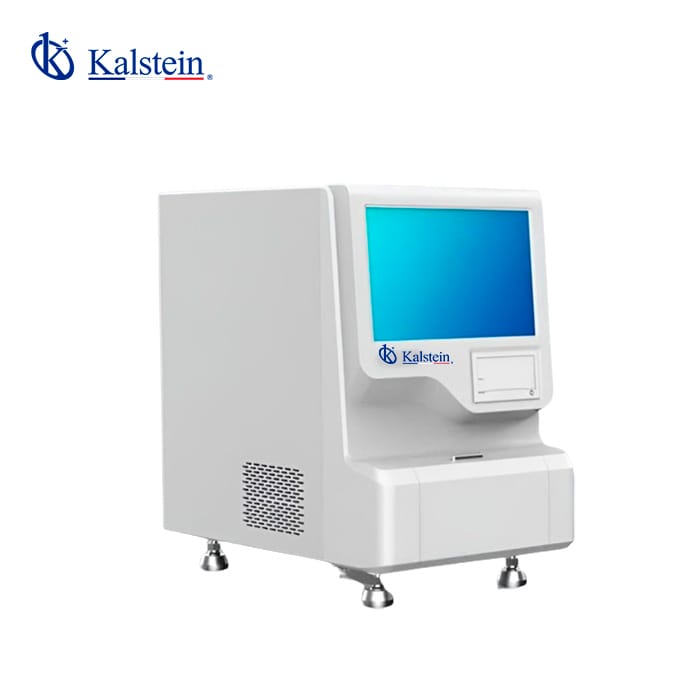
How to Integrate Chemiluminescence Immunoassay Analyzers with LIMS for Data Digitalization
The integration of Chemiluminescence Immunoassay Analyzers with Laboratory Information Management Systems (LIMS) is a crucial step for laboratories aiming for efficient data management and seamless operations. In this article, we will explore the various models available within this subcategory and how they can be effectively integrated with LIMS to enhance workflow, data accuracy, and accessibility.
Understanding Chemiluminescence Immunoassay Analyzers
Chemiluminescence Immunoassay Analyzers utilize chemiluminescent reactions to detect and quantify various substances in biological samples. These analyzers are essential in clinical laboratories for diagnostics due to their high sensitivity and specificity. As laboratories increasingly move towards digital solutions, understanding how these analyzers work and their compatibility with LIMS becomes paramount.
Benefits of LIMS Integration
Integrating Chemiluminescence Immunoassay Analyzers with a LIMS offers numerous benefits. It streamlines data entry, reduces manual errors, and enhances data traceability. Moreover, it allows for real-time data analysis, quick retrieval of patient results, and efficient inventory management, which are vital in high-pressure clinical settings.
Key Features of Chemiluminescence Immunoassay Analyzers
When selecting a Chemiluminescence Immunoassay Analyzer for LIMS integration, it is essential to consider models that offer advanced features such as:
- High throughput capability
- Flexible sample types
- Robust data management systems
Comparison of Available Models
| Model | Data Management Features | LIMS Compatibility | Best for |
|---|---|---|---|
| YR06387 | 100,000 patient entries, integrated touch screen | Compatible with most LIMS | High-volume testing |
| YR06388 | Independent dual chambers, 100,000 entries | Seamless with LIMS | Emergency functions |
| YR06389 | High throughput of 120T/h, rapid results in 15 minutes | Easy integration | Ambulatory care environments |
| YR06390 | 220T/h, results in 15 minutes | Bidirectional communication | High efficiency diagnostics |
| YR06710 | Compact design, processes 1 to 12 samples simultaneously | Designed for LIMS integration | Space-limited environments |
Common Mistakes and How to Avoid Them
When integrating Chemiluminescence Immunoassay Analyzers with LIMS, common mistakes include not ensuring compatibility and underestimating the training required for staff. It is crucial to evaluate the specific LIMS capabilities and conduct thorough training sessions to maximize the benefits of integration.
Best Practices for Effective Integration
To ensure effective integration of Chemiluminescence Immunoassay Analyzers with LIMS, consider the following best practices:
- Conduct a thorough assessment of the LIMS features.
- Engage with software vendors early in the process.
- Implement a phased approach to integration.
Frequently Asked Questions
What are the benefits of integrating Chemiluminescence Immunoassay Analyzers with LIMS?
Integrating Chemiluminescence Immunoassay Analyzers such as YR06387 with LIMS enhances data accuracy, reduces manual entry errors, and streamlines workflows. This leads to more efficient patient result management and improved operational efficiency.
Which Chemiluminescence Immunoassay Analyzer is best for high-throughput environments?
The YR06390 model is ideal for high-throughput environments, processing up to 220 tests per hour. Its rapid result turnaround time of just 15 minutes makes it suitable for labs requiring quick diagnostics.
How can I ensure effective data management with Chemiluminescence Immunoassay Analyzers?
Effective data management can be achieved by selecting models like YR06388 that feature comprehensive data entry capabilities and are designed for seamless integration with LIMS, ensuring real-time data accessibility and traceability.
What compatibility features should I look for in Chemiluminescence Immunoassay Analyzers?
When considering compatibility, look for features such as bidirectional communication and LIMS integration capabilities in models like YR06389. These features are vital for maintaining data integrity and seamless workflows.
How does LIMS integration improve laboratory efficiency?
LIMS integration improves laboratory efficiency by automating data entry and result reporting, allowing staff to focus on critical diagnostic tasks. For instance, models like YR06710 facilitate fast processing of samples in space-limited environments.
What are the main considerations for LIMS integration in clinical labs?
Main considerations include ensuring the Chemiluminescence Immunoassay Analyzer chosen has robust connectivity features, like those found in YR06390, and that the LIMS can handle large volumes of data efficiently.
How long does the integration process typically take for Chemiluminescence Immunoassay Analyzers?
The integration process for Chemiluminescence Immunoassay Analyzers varies but typically ranges from a few weeks to several months, depending on the complexity of the model and the existing LIMS infrastructure.
What type of training is necessary for staff during integration?
Staff training should cover the specific functionalities of the chosen Chemiluminescence Immunoassay Analyzer and the LIMS system. Providing hands-on training, especially with models like YR06388, is essential to ensure smooth operation post-integration.
If you are looking for a fusion of innovation and quality, you have come to the right place. At Kalstein, we offer you the luxury of exploring our exclusive catalog of laboratory equipment. We manufacture every device to the highest standards of excellence. Our intuitive and seamless online purchasing channels are designed for your convenience, securing the most competitive prices. Hesitate no longer — we bring science to life, it is time to become part of our community.