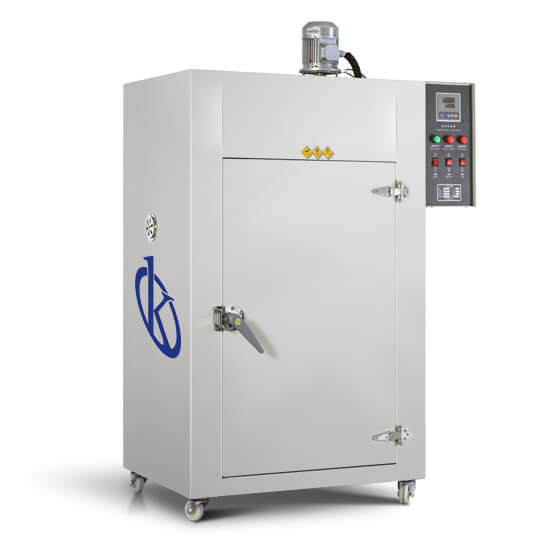
Industrial Ovens: Applications in Research, Biotechnology, and Academia 2026
What is it used for in 2026
Industrial ovens are essential tools in various laboratory settings, primarily utilized for drying, curing, and sterilization processes. In 2026, their applications have expanded further, catering to the needs of research facilities, biotechnology firms, and academic institutions. These ovens are crucial for effective product dehydration, material testing, and sample preparation, ensuring precise temperature control and uniform heat distribution, which are vital for obtaining reliable results.
History and evolution of the technology
The evolution of industrial ovens dates back to the early 19th century when simple heating methods were first employed. Over the decades, technological advancements have transformed these devices into sophisticated instruments featuring digital controls, microprocessor-based temperature regulation, and enhanced safety mechanisms. By 2026, industrial ovens have integrated smart technology, allowing for more efficient energy use and improved operational capabilities, resulting in higher productivity and lower environmental impact.
How to use it step by step
Using an industrial oven involves a series of steps to ensure optimal performance:
- Preparation: Clean the interior of the oven to remove contaminants.
- Set temperature: Adjust the temperature settings according to your specific requirements.
- Loading: Place materials inside the oven evenly to allow uniform airflow.
- Timing: Set the timer based on the drying or curing process needed.
- Monitoring: Regularly check the temperature and humidity levels during operation.
- Completion: Once the process is complete, turn off the oven and allow it to cool before unloading.
Best techniques and protocols
To maximize efficiency and output quality, the following techniques and protocols are recommended:
- Calibrate the oven regularly to maintain accuracy in temperature settings.
- Use appropriate trays and racks to facilitate airflow and prevent overheating.
- Implement a systematic loading method to optimize space and energy usage.
- Utilize humidity control options where applicable to enhance drying processes.
Practical applications by laboratory type
Different laboratory types utilize industrial ovens for various purposes:
- Research Labs: For sample preparation, material testing, and experimental drying.
- Biotechnology: For sterilization and decontamination processes in bioproducts.
- Academic Institutions: For educational demonstrations and practical laboratory sessions.
Regulations, standards, and certifications
Compliance with industry regulations and standards is crucial when using industrial ovens. Common standards include:
- ISO 9001 for quality management systems.
- ASTM standards for material testing and equipment performance.
- CE marking indicating compliance with health, safety, and environmental protection standards.
Comparison with alternative technologies
When considering the use of industrial ovens, it is vital to compare them with alternative drying technologies such as:
- Microwave Drying: Faster but may not be suitable for all materials.
- Freeze Drying: Ideal for sensitive products but costly and time-consuming.
- Vacuum Drying: Good for heat-sensitive materials but has specific operational requirements.
Comparison of available models
| Model | Best for | Key specs | Recommended use case |
|---|---|---|---|
| YR05256-A | Dehydration and drying | 300 liters, ±1°C accuracy, 4-6 kW power | Industrial settings, batch production |
| YR05257-1-A | Heavy-duty drying | 864 liters, ±1°C accuracy, 8-12 kW power | Mining, extensive industrial applications |
| YR05258-SS | Uniform drying | 300 liters, ±1°C accuracy, 4-6 kW power | Electronics, jewelry production |
| YR05259-1-SS | Robust drying processes | 864 liters, ±1°C accuracy, 8-12 kW power | Heavy industrial tasks, research facilities |
Common mistakes and how to avoid them
Laboratory professionals often encounter pitfalls when using industrial ovens. Common mistakes include:
- Improper calibration leading to inaccurate temperature readings.
- Overloading the oven, which can cause uneven drying.
- Neglecting maintenance, resulting in reduced performance.
To avoid these issues, regular training and adherence to best practices are recommended.
Maintenance, calibration, and good practices 2026
Proper maintenance and calibration are essential for the longevity of industrial ovens. Key practices include:
- Conducting regular inspections and servicing.
- Keeping the interior clean and free from residue.
- Calibrating temperature settings quarterly to ensure accuracy.
Cost-benefit analysis 2026
When evaluating the cost-effectiveness of industrial ovens, consider the following factors:
- Initial investment versus potential productivity gains.
- Energy efficiency ratings and operating costs.
- Maintenance expenses over the device's lifespan.
A comprehensive analysis helps justify the investment and aligns with long-term laboratory goals.
Frequently asked questions
How do I choose the right industrial oven for my lab?
Consider your specific application, required capacity, and available space. Additionally, evaluate features like temperature range and energy efficiency to meet your operational needs.
What is the ideal temperature range for drying samples?
The ideal temperature range typically varies between 50°C to 250°C, depending on the material being processed. Always refer to the manufacturer's recommendations and your specific protocols.
How often should I calibrate my industrial oven?
It is advisable to calibrate your industrial oven at least once every three months or more frequently if used for critical applications.
Can I use industrial ovens for sterilization purposes?
Yes, industrial ovens can be used for sterilization, provided they reach and maintain the necessary temperatures for a sufficient duration.
What are the safety features to look for in an industrial oven?
Look for features such as double-layer doors, over-temperature protection, and flame-retardant materials to ensure safe operation.
How can I ensure uniform heating in my industrial oven?
To achieve uniform heating, avoid overloading the oven, use suitable racks for airflow, and periodically check and maintain the fans and heat distribution system.
What should I do if my industrial oven is not reaching the set temperature?
If your oven is not reaching the desired temperature, check the calibration, inspect for blockages in airflow, and ensure that the heating elements are functioning correctly.
If you are looking for a fusion of innovation and quality, you have come to the right place. At Kalstein, we offer you the luxury of exploring our exclusive catalog of laboratory equipment. We manufacture every device to the highest standards of excellence. Our intuitive and seamless online purchasing channels are designed for your convenience, securing the most competitive prices. Hesitate no longer — we bring science to life, it is time to become part of our community.