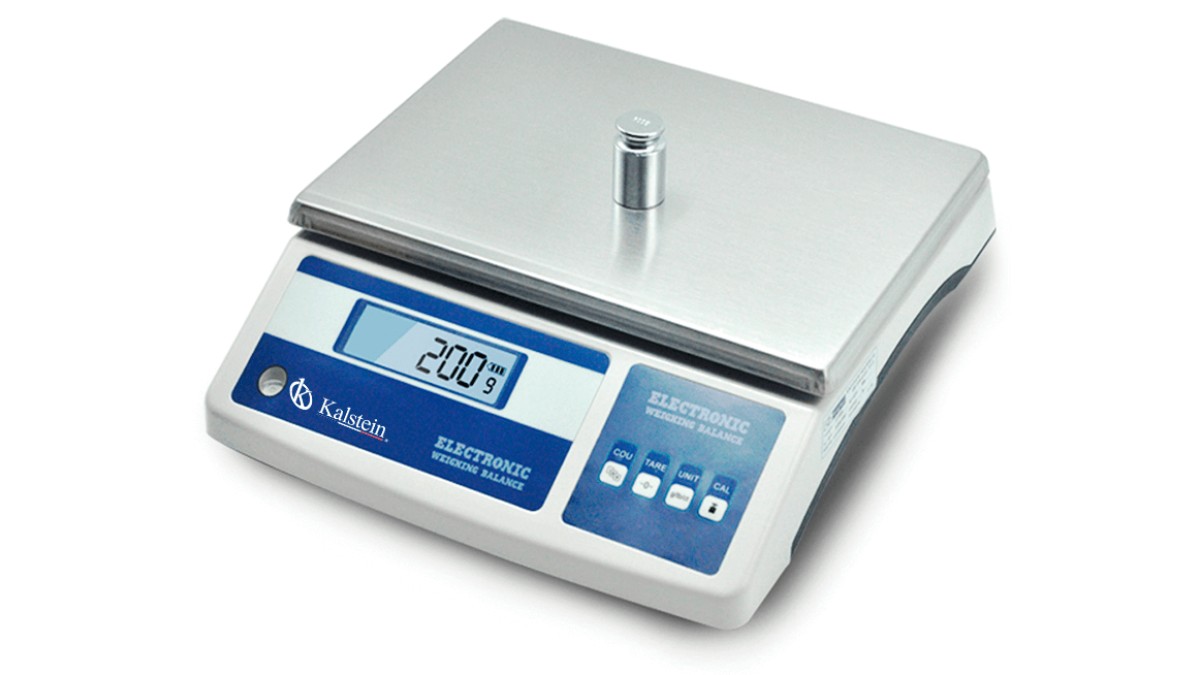
Industrial Balances: Applications in Research, Biotechnology, and Academia 2026
What is it used for in 2026
Industrial balances are fundamental tools in laboratories, particularly within research, biotechnology, and academic settings. These devices are employed for precise measurements of weight, essential for tasks ranging from chemical analysis to material testing. In 2026, their applications have expanded to include:
- Research Laboratories: Used for accurate weighing of samples to ensure reproducibility and accuracy in experiments.
- Biotechnology: Assists in quantifying biomaterials, critical for processes like fermentation and cell culture.
- Academia: Used in teaching laboratories to demonstrate fundamental principles of measurement and analysis.
- Quality Control: Essential for verifying the weight of products in manufacturing processes.
History and evolution of the technology
The development of industrial balances has undergone significant transformation since their inception. Initially, simple beam balances were used, which relied on manual calibration and mechanical design. The evolution towards electronic balances began in the late 20th century, introducing features such as digital displays and automatic calibration. Modern industrial balances now include advanced functionalities such as connection to printers and computers, offering enhanced user interfaces and data management capabilities.
How to use it step by step
Using an industrial balance is a straightforward process, but ensuring accuracy is critical. Follow these steps:
- Preparation: Ensure the balance is on a stable, level surface. Calibrate the balance if necessary, following the manufacturer's instructions.
- Taring: Place a container on the balance and press the tare button to zero out the weight of the container.
- Weighing: Add the sample to the container. Wait for the reading to stabilize before recording the weight.
- Note Measurements: Document the weight and any relevant data about the sample for future reference.
- Cleaning: After use, clean the balance surface to prevent contamination.
Best techniques and protocols
To achieve the highest accuracy and reliability with industrial balances, consider the following techniques and protocols:
- Regular Calibration: Perform regular calibration checks to maintain accuracy.
- Environmental Control: Use the balance in a controlled environment to eliminate variables such as air currents and temperature fluctuations.
- Use Appropriate Containers: Choose containers that minimize static electricity and are appropriate for the samples being weighed.
- Handling Samples: Use tweezers or gloves to handle samples to avoid contamination and weight alterations.
Practical applications by laboratory type
Different laboratory types utilize industrial balances in varying practical ways:
- Research Laboratories: Require precise measurements for experiments, often involving hazardous materials.
- Biotechnology Facilities: Use balances for quantifying biological materials, with a focus on aseptic techniques.
- Chemical Labs: Focus on accurate measurements of substances for reactions and formulations.
- Food and Beverage Industries: Use these balances to ensure proper ingredient measurements for quality and compliance.
Regulations, standards and certifications
In 2026, industrial balances must adhere to various regulations and standards, including:
- ISO Standards: Ensure accuracy and reliability of measurements.
- GLP (Good Laboratory Practice): Guidelines that ensure quality and integrity in laboratory processes.
- CE Marking: Indicates compliance with health, safety, and environmental protection standards.
Comparison with alternative technologies
While industrial balances are essential, there are alternative technologies that can be utilized depending on the application:
- Analytical Balances: Provide greater precision for smaller samples but may have lower capacity.
- Moisture Analyzers: Specialize in determining moisture content but are not versatile for general weighing tasks.
- Load Cells: Used in larger scale industrial applications but may require more complex setups.
Comparison of available models
| Model | Best for | Key specs | Recommended use case |
|---|---|---|---|
| YR05606 | Small to medium sample weighing | Capacity: 11kg, Readability: 1g | Research and academia |
| YR05607 | Medium sample weighing | Capacity: 16kg, Readability: 1g | Quality control in manufacturing |
| YR05608 | Medium to large sample weighing | Capacity: 21kg, Readability: 1g | Biotechnology applications |
| YR05609 | Large sample weighing | Capacity: 31kg, Readability: 1g | Industrial settings |
| YR05610 | Small sample weighing | Capacity: 5.1kg, Readability: 0.1g | Academic labs |
| YR05611 | Medium sample weighing | Capacity: 11kg, Readability: 0.1g | Research laboratories |
| YR05612 | Large sample weighing | Capacity: 16kg, Readability: 0.1g | Biotechnological applications |
| YR05613 | Large sample weighing | Capacity: 21kg, Readability: 0.1g | Quality control |
| YR05614 | Extra-large sample weighing | Capacity: 26kg, Readability: 0.1g | Industrial applications |
Common mistakes and how to avoid them
Laboratory professionals often make several common mistakes when using industrial balances. Here’s how to avoid them:
- Inaccurate Calibration: Regularly check and calibrate your balance according to the manufacturer's specifications.
- Excessive Load: Avoid overloading the balance beyond its specified capacity to prevent damage.
- Ignoring Environmental Factors: Ensure the balance is in a stable environment free from drafts, vibrations, and temperature fluctuations.
- Neglecting Maintenance: Perform routine cleaning and maintenance to keep the balance in optimal condition.
Maintenance, calibration and good practices 2026
To maintain accuracy and prolong the life of industrial balances, adhere to these practices:
- Daily Checks: Perform daily checks for cleanliness and functionality before starting work.
- Regular Calibration: Schedule regular calibration checks with certified weights to ensure accuracy.
- Proper Cleaning: Clean the weighing platform regularly with appropriate cleaning agents.
- Documentation: Maintain logs of usage, calibration, and maintenance activities for quality assurance.
Cost-benefit analysis 2026
Investing in industrial balances can be a significant expenditure, but the benefits often outweigh the costs:
- Enhanced Accuracy: Improved measurement accuracy can lead to better research outcomes and product quality.
- Increased Efficiency: Faster and more precise weighing processes save time and reduce waste.
- Versatility: Multi-functional balances can be used across various applications, providing more value.
- Compliance: Meeting industry regulations through proper measurements can prevent costly penalties.
Frequently asked questions
What type of industrial balance should I choose for my lab?
The choice of industrial balance depends on your lab's specific needs, such as the weight range, precision requirements, and application type. For instance, if you need to weigh larger samples, consider models with higher capacities.
How often should I calibrate my industrial balance?
Calibration frequency depends on usage, but it is recommended to calibrate regularly, at least once a month, or before critical measurements to ensure accuracy.
What are the common issues that affect balance accuracy?
Common issues include environmental factors like drafts, vibrations, and temperature variations, as well as mechanical issues such as dirt on the weighing pan or overload conditions.
Can I use an industrial balance for weighing liquids?
Yes, but it's essential to use appropriate containers and consider the liquid's properties, such as viscosity and volatility, which can affect the measurements.
Is maintenance important for industrial balances?
Absolutely. Regular maintenance, including cleaning and calibration, is crucial for ensuring ongoing accuracy and prolonging the life of the balance.
What are the best practices to ensure accurate measurements?
Best practices include calibrating regularly, using the balance in a stable environment, taring correctly, and ensuring all samples and containers are clean.
If you are looking for a fusion of innovation and quality, you have come to the right place. At Kalstein, we offer you the luxury of exploring our exclusive catalog of laboratory equipment. We manufacture every device to the highest standards of excellence. Our intuitive and seamless online purchasing channels are designed for your convenience, securing the most competitive prices. Hesitate no longer — we bring science to life, it is time to become part of our community.