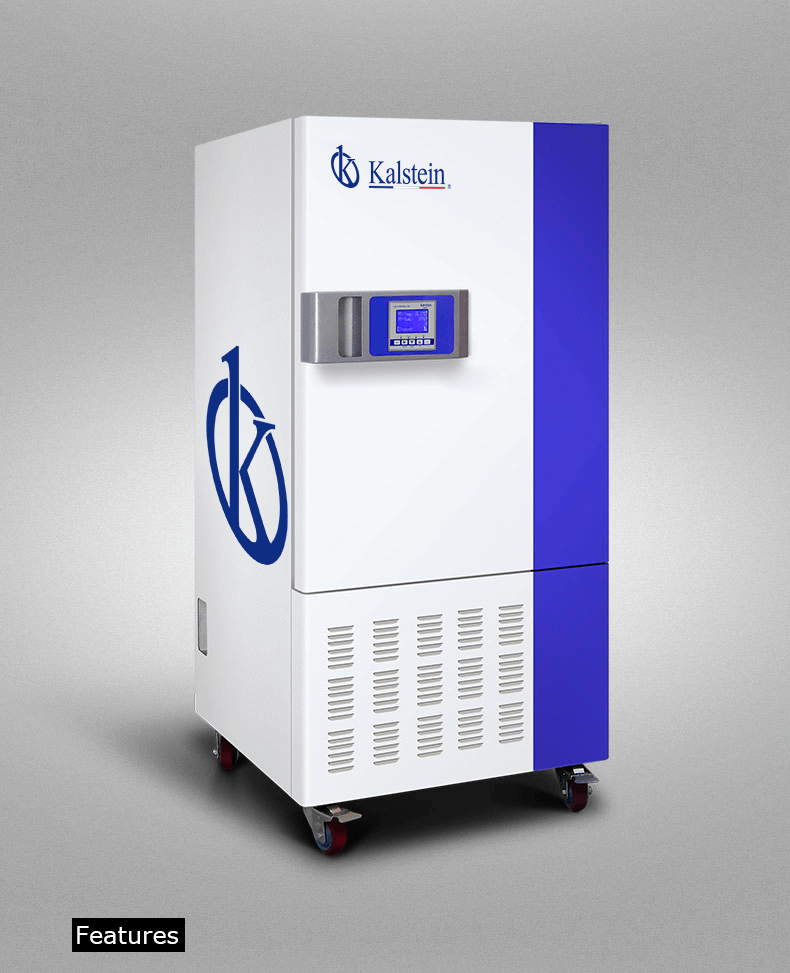
Illumination Drug Stability Test Chamber: Applications in Research, Biotechnology, and Academia 2026
What is it used for in 2026
The Illumination Drug Stability Test Chamber is an essential tool in pharmaceutical laboratories, biotechnological research, and academic institutions. Its primary use is to evaluate the stability of drug formulations under controlled light conditions. This testing is crucial for understanding how light exposure affects the integrity, potency, and safety of pharmaceuticals. In 2026, these chambers are used extensively for accelerated stability testing, long-term stability assessments, and troubleshooting drug formulation failures.
History and evolution of the technology
The technology behind illumination drug stability testing has evolved significantly over the past few decades. Initially, stability testing was limited to temperature and humidity conditions, but as research progressed, the impact of light on drug formulations became apparent. The introduction of programmable lighting systems in stability chambers allowed for precise control over light exposure, simulating various environments. By 2026, advancements in energy efficiency, automated systems, and robust safety features have made these chambers more reliable and user-friendly.
How to use it step by step
- Preparation: Ensure that the chamber is clean and calibrated according to the manufacturer's specifications. Check that all components are functioning correctly.
- Sample Placement: Arrange the drug samples in the designated areas within the chamber, ensuring they are positioned for optimal light exposure.
- Setting Parameters: Program the chamber's lighting schedule, temperature, and humidity settings based on the specific testing requirements.
- Monitoring: Regularly monitor the chamber's conditions using the control interface. Ensure that all parameters remain within specified limits throughout the testing period.
- Data Collection: After the testing period, collect samples for analysis. Document any observed changes in the drug formulations.
- Analysis: Perform necessary laboratory tests to evaluate the stability of the drug samples.
- Reporting: Compile the results and prepare a stability report detailing the findings.
Best techniques and protocols
When using illumination drug stability test chambers, adhering to established protocols is vital for accurate results. The following techniques are recommended:
- Utilize a validated method for preparing drug samples to ensure consistency across tests.
- Implement a robust data management system to track environmental conditions and sample status.
- Follow Good Laboratory Practices (GLP) to maintain the integrity of your testing processes.
- Regularly calibrate and maintain the equipment to prevent deviations in environmental conditions.
Practical applications by laboratory type
Illumination Drug Stability Test Chambers can be utilized across various laboratory settings:
Pharmaceutical Laboratories
Used for stability testing of new drug formulations to ensure efficacy and safety for market release.
Biotechnology Firms
Critical in assessing the stability of biotechnological products that may be sensitive to light.
Academic Research Institutions
Facilitate research on drug stability as part of pharmaceutical education and innovation studies.
Regulations, standards and certifications
In 2026, adherence to regulatory standards is more critical than ever. Laboratories must comply with guidelines from regulatory authorities such as the FDA, ICH, and WHO. These standards dictate the required protocols for stability testing, including the acceptable limits for light exposure, temperature, and humidity. Regular audits and certifications ensure that laboratories maintain compliance and uphold the highest quality assurance levels.
Comparison with alternative technologies
While illumination drug stability test chambers are highly specialized, alternative technologies include general-purpose stability chambers and photostability testing using UV lamps. However, these alternatives may lack the precision and controlled environment necessary for thorough illumination stability testing.
Comparison of available models
| Model | Best for | Key specs | Recommended use case |
|---|---|---|---|
| YR05353 | Pharmaceutical failure assessment | Temperature range: 10-65°C (with light), 0-60°C (without light), Light range: 0-6000LX | Testing accelerated and long-term stability under controlled light conditions. |
| YR05353-1 | Long-term stability testing | Temperature accuracy: ±0.1°C, Temperature uniformity: ±1°C | Ideal for in-depth analysis of drug formulations over extended periods. |
| YR05353-2 | Specialized testing for sensitive formulations | Forced convection mode, multiple safety features | Best for evaluating the stability of light-sensitive drugs. |
Common mistakes and how to avoid them
Common pitfalls when using illumination drug stability test chambers include:
- Inadequate calibration of the chamber before use.
- Failure to monitor environmental conditions regularly.
- Improper placement of samples within the chamber.
- Neglecting documentation and data management protocols.
To avoid these mistakes, establish a standardized operating procedure and conduct training sessions for all laboratory personnel involved in the testing process.
Maintenance, calibration and good practices 2026
Regular maintenance and calibration are essential for the optimal performance of illumination drug stability test chambers:
- Perform routine inspections of all components, including lighting systems and refrigeration units.
- Calibration should occur according to the manufacturer's recommendations, typically every six months or after major repairs.
- Document all maintenance activities and calibration results in a log for compliance purposes.
Cost-benefit analysis 2026
Investing in an illumination drug stability test chamber can yield significant benefits for laboratories, including:
- Enhanced testing accuracy leading to reliable drug formulations.
- Improved compliance with regulatory standards, reducing the risk of costly recalls.
- Long-term cost savings through energy-efficient designs and reduced waste.
While the initial investment may be substantial, the long-term benefits often outweigh the costs, making it a worthy consideration for laboratories focused on quality assurance.
Frequently asked questions
What factors should I consider when choosing an illumination drug stability test chamber?
Consider the chamber's temperature and light range, calibration requirements, and energy efficiency. Evaluate your laboratory's specific testing needs to determine the best fit.
How often should I calibrate my illumination stability test chamber?
Calibration should typically be performed every six months, or more frequently if the chamber is subject to heavy use or if there have been significant changes in environmental conditions.
Can I use an illumination chamber for testing products other than drugs?
Yes, while primarily designed for pharmaceuticals, illumination chambers can also be used for testing the stability of other light-sensitive products, such as cosmetics or food ingredients.
What documentation is necessary for compliance with stability testing?
Maintain detailed records of all testing procedures, environmental conditions, calibration activities, and maintenance logs to ensure compliance with regulatory standards.
What are the common signs of a malfunctioning stability chamber?
Common signs include inconsistent temperature or light levels, unusual noises, or failure to maintain preset conditions. If you notice these issues, consult a technician immediately.
Is it possible to automate the monitoring process in stability testing?
Yes, many modern illumination drug stability test chambers come equipped with software that allows for automated monitoring and data logging, enhancing accuracy and efficiency.
How can I request a quote for an illumination stability test chamber?
You can easily request a quote by contacting our sales team or visiting our dedicated online platform, where you can find detailed product information and pricing.
If you are looking for a fusion of innovation and quality, you have come to the right place. At Kalstein, we offer you the luxury of exploring our exclusive catalog of laboratory equipment. We manufacture every device to the highest standards of excellence. Our intuitive and seamless online purchasing channels are designed for your convenience, securing the most competitive prices. Hesitate no longer — we bring science to life, it is time to become part of our community.