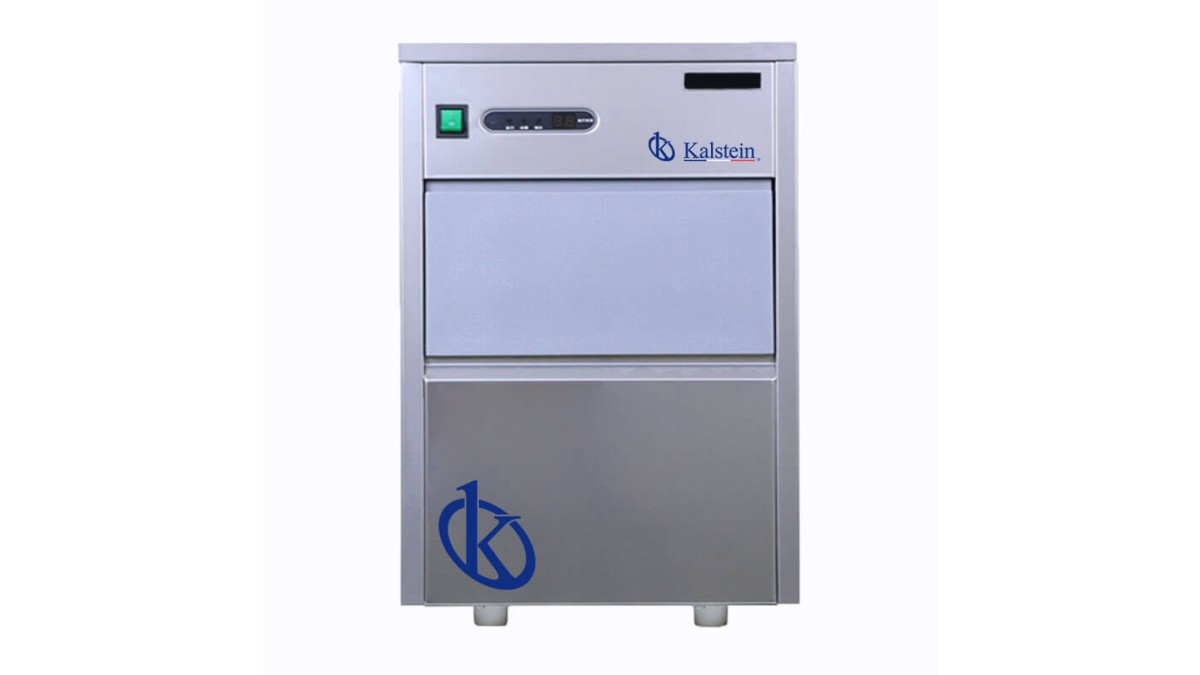
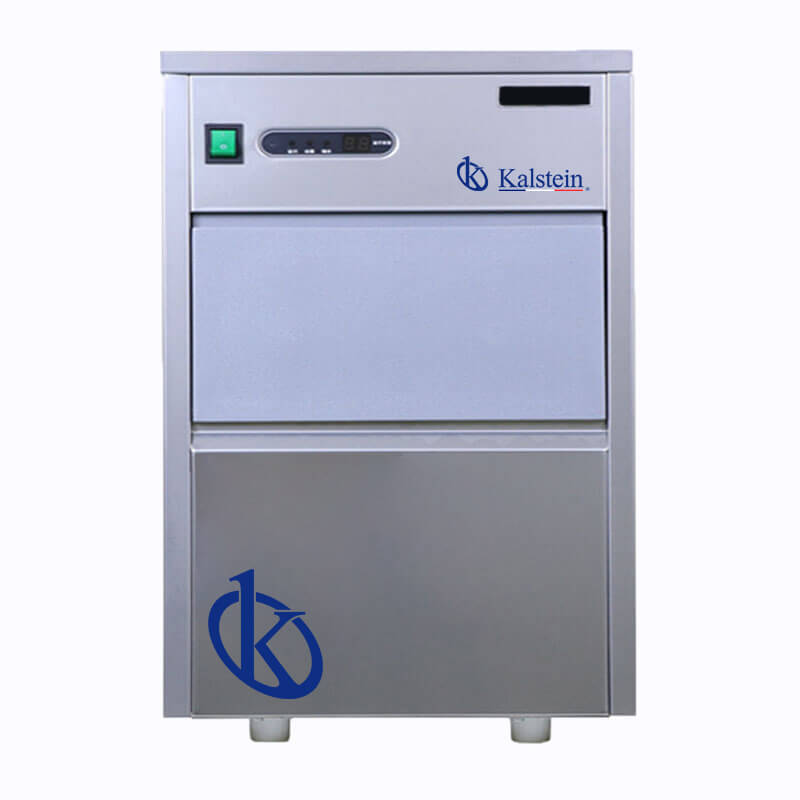
Ice Machines: Applications in Research, Biotechnology, and Academia 2026
Ice machines play a crucial role in various laboratory settings, providing essential cooling solutions for a variety of applications. This article examines the applications, techniques, and best practices associated with ice machines, specifically tailored for professionals in research, biotechnology, and academia in 2026.
What is it used for in 2026
In 2026, ice machines are essential for a multitude of laboratory functions. They are primarily used for:
- Cooling samples during experiments
- Preserving biological specimens
- Temperature control in chemical reactions
- Supporting procedures in microbiology and biochemistry
- Creating ice for analytical testing
These machines ensure that laboratories maintain the necessary conditions for various processes while enhancing efficiency and safety.
History and evolution of the technology
The history of ice machines dates back to the early 19th century when mechanical refrigeration was introduced. Over the years, advancements in technology have led to improvements in energy efficiency, production capacity, and reliability. Initially designed for commercial use, ice machines gradually made their way into laboratories due to their effectiveness in maintaining low temperatures. Today, modern ice machines utilize advanced compressors and eco-friendly refrigerants, aligning with current regulations and environmental standards.
How to use it step by step
Using an ice machine effectively involves the following steps:
- Preparation: Ensure the machine is installed correctly and connected to the water supply. Check the power source.
- Settings: Adjust the machine settings according to the desired ice production capacity and temperature requirements.
- Water Supply: Ensure clean, potable water is available for optimal ice quality.
- Ice Production: Start the machine and monitor the ice production process. Check for any unusual noises or malfunctions.
- Storage: Once ice is produced, store it in appropriate containers for later use, ensuring that it maintains the desired temperature.
- Cleaning: Regularly clean the machine to prevent contamination and ensure long-lasting performance.
Best techniques and protocols
Implementing best techniques and protocols can optimize the use of ice machines:
- Regular Maintenance: Schedule consistent maintenance checks to ensure optimal functioning.
- Calibration: Regularly calibrate the machine to maintain accuracy in temperature and ice production.
- Documentation: Keep detailed records of ice production, maintenance, and any issues encountered.
- Training: Provide training for laboratory personnel on the proper use of ice machines to minimize errors.
Practical applications by laboratory type
Different laboratory types utilize ice machines for various applications:
Educational Laboratories
In educational settings, ice machines are used for experiments and demonstrations that require specific temperature controls.
Medical Laboratories
Medical labs use ice machines to preserve biological samples and maintain the integrity of specimens during analysis.
Chemical Laboratories
Chemical labs often require ice machines for cooling reaction vessels and other equipment to prevent overheating during experiments.
Biological Laboratories
In biological research, ice machines are crucial for maintaining samples at required temperatures for long-term storage or immediate analysis.
Regulations, standards and certifications
Ice machines used in laboratories must comply with specific regulations and standards to ensure safety and efficiency. Notable certifications include:
- ISO 9001 for quality management systems
- CE marking for compliance with European health and safety standards
- NSF certification for food safety and sanitation
- Energy Star ratings for energy efficiency
Staying updated on these regulations is essential for laboratory operation and equipment procurement.
Comparison with alternative technologies
While ice machines are widely used, alternative technologies exist:
- Refrigerated Coolers: Often used for specific temperature applications but may require more energy and maintenance.
- Liquid Nitrogen: Provides extremely low temperatures but poses safety risks and requires specialized handling.
- Cooling Baths: Can be used in some applications but may not achieve the same temperature control as ice machines.
Each alternative has its advantages and disadvantages, and the choice depends on specific laboratory needs.
Comparison of available models
| Model | Best for | Key Specs | Recommended Use Case |
|---|---|---|---|
| YR05130 | General laboratory use | 20 Kg / 24h, 280 W | Suitable for educational and small medical labs |
| YR05131 | Shaved ice production | 30 Kg / 24h, 300 W | Ideal for events and quick cooling |
| YR05132 | High-capacity cooling | 40 Kg / 24h, 360 W | Best for biological and chemical labs requiring more ice |
| YR05133 | High-capacity cooling | 50 Kg / 24h, 380 W | Perfect for large-scale laboratory operations |
| YR05134 | Large-scale production | 60 Kg / 24h, 420 W | Excellent for research labs with high ice demands |
| YR05135 | High-capacity cooling | 70 Kg / 24h, 460 W | Suitable for extensive cooling in chemical processes |
Common mistakes and how to avoid them
Laboratory professionals often encounter common pitfalls when using ice machines:
- Ignoring Maintenance: Regular maintenance should not be overlooked; schedule routine cleaning and checks.
- Incorrect Water Supply: Always use clean, filtered water to prevent contamination.
- Miscalculating Ice Needs: Assess ice production requirements to avoid shortages during critical experiments.
- Neglecting Safety Standards: Ensure compliance with safety protocols to mitigate potential risks.
Maintenance, calibration and good practices 2026
In 2026, proper maintenance and calibration practices for ice machines include:
- Routine Cleaning: Clean the interior and exterior surfaces to prevent algae and contaminants.
- Regular Calibration: Calibrate temperature settings to ensure precise ice production.
- Monitoring Performance: Regularly check for performance issues or inefficiencies.
- Document Maintenance: Keep a log of maintenance activities for future reference and compliance.
Cost-benefit analysis 2026
When evaluating the cost-benefit of ice machines in 2026, consider the following:
- Initial Investment: Assess the initial cost against the expected lifespan and efficiency of the machine.
- Operational Costs: Calculate energy consumption and maintenance costs over time.
- Return on Investment: Consider the productivity gains and improvements in experimental accuracy.
- Alternative Options: Weigh the benefits of ice machines against other cooling technologies.
Frequently asked questions
What type of water should I use in my ice machine?
It is best to use clean, filtered potable water to prevent contamination and ensure high-quality ice production.
How often should I clean my ice machine?
Regular cleaning is recommended at least once a month, or more frequently if the machine is used daily.
What is the ideal temperature for ice production?
The ideal temperature for ice production varies, but generally, the machine should be set to maintain between -5°C to -15°C for optimal ice quality.
Can ice machines be used for storing biological specimens?
Yes, ice machines can be used to store biological specimens temporarily, but they should not replace dedicated freezer units for long-term storage.
How do I troubleshoot common issues with ice machines?
Check for power supply issues, ensure the water supply is adequate, clean the machine to prevent clogs, and consult the manual for specific troubleshooting steps.
What are the energy efficiency standards for ice machines?
Look for machines with Energy Star certification, which indicates compliance with energy efficiency standards and lower operational costs.
Where can I request a quote for an ice machine?
You can request a quote on Kalstein Plus to explore options tailored to your laboratory needs.
If you are looking for a fusion of innovation and quality, you have come to the right place. At Kalstein, we offer you the luxury of exploring our exclusive catalog of laboratory equipment. We manufacture every device to the highest standards of excellence. Our intuitive and seamless online purchasing channels are designed for your convenience, securing the most competitive prices. Hesitate no longer — we bring science to life, it is time to become part of our community.