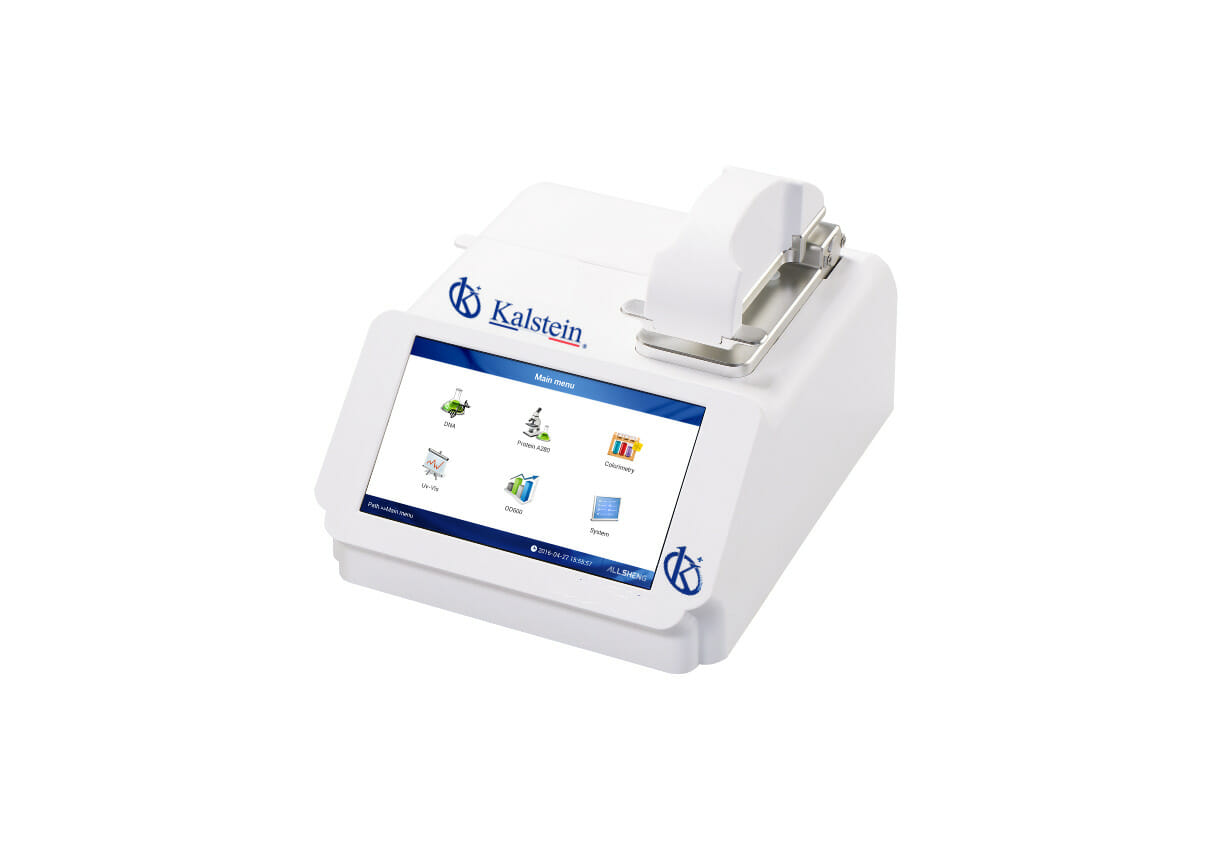
How to Choose the Right Micro-Spectrophotometer for Field Laboratories?
In today's fast-paced laboratory environment, the demand for portable and compact spectrophotometric solutions has significantly increased, particularly in field laboratories. The need for miniaturization and portability ensures that scientific professionals can perform accurate analyses on-site without the complexity and space constraints of traditional laboratory equipment. This article will explore essential factors to consider when choosing micro-spectrophotometers tailored for field applications, comparing models based on their features, usability, and performance.
Understanding Micro-Spectrophotometers
Micro-spectrophotometers are specialized instruments that allow for the measurement of absorbance and transmittance of light in samples with minimal volumes, typically ranging from 0.5 to 2.0 μL. These devices are ideal for applications in molecular biology, biochemistry, and environmental analysis, where precise quantification of nucleic acids and proteins is crucial. In the context of field laboratories, the portability and compact design of micro-spectrophotometers simplify on-site testing and enhance operational efficiency.
Key Considerations for Portability and Miniaturization
1. Size and Weight
The size and weight of micro-spectrophotometers are paramount in field laboratories. A compact design ensures ease of transport and storage, while lightweight models reduce physical strain during fieldwork. For example, the YR06033-1 model is designed to operate seamlessly within confined spaces, making it suitable for various field conditions.
2. Power Supply Options
Field laboratories often face challenges with power availability. Therefore, micro-spectrophotometers that offer rechargeable batteries or can operate on low power consumption make them more viable for outdoor use. Models like the YR06034 offer flexibility in power supply, allowing scientists to conduct analyses without dependency on stationary power sources.
3. User-Friendly Interface
A user-friendly interface is essential for quick operation in demanding environments. Touchscreen displays, such as the one found in the YR06035 model, enhance usability by providing intuitive navigation through complex testing protocols. This feature can significantly reduce the learning curve and operational downtime during field analyses.
4. Measurement Time
Speed is often critical in fieldwork, where timely results can dictate further actions. Micro-spectrophotometers with fast measurement times help maintain workflow efficiency. For instance, the YR06033-1 can complete measurements in under 5 seconds, making it an excellent choice for busy field operations.
5. Sample Volume Requirements
Micro-spectrophotometers are particularly valued for their ability to analyze small sample volumes. Selecting a model with minimal sample requirements enables more extensive testing with limited samples. The YR06034 model, for example, requires only 1-2 μL of sample, facilitating more tests from scarce resources.
6. Detection Range and Precision
The range of detection and precision of absorbance measurements are critical aspects. Models that cover a broad wavelength range and maintain high precision allow for versatile applications. The YR06035, with a detection range of 200-800 nm, exemplifies this versatility for various testing scenarios.
7. Data Connectivity and Storage
In field environments, the ability to connect devices and transfer data is essential for modern laboratory workflows. Micro-spectrophotometers with USB data output, such as the YR06033-1, facilitate easy data storage and transfer to other devices, enhancing the integration into laboratory information management systems.
Comparison of Available Models
| Model | Wavelength Range | Minimum Sample Size | Measurement Time | Price (USD) | Best For |
|---|---|---|---|---|---|
| YR06033-1 | 200-800 nm | 0.5-2.0 μL | <5 seconds | $5040.00 | General laboratory use |
| YR06034 | 260 nm, 280 nm | 1-2.0 μL | <6 seconds | $2520.00 | Nucleic acid testing |
| YR06035 | 200-800 nm | 0.5-2.0 μL | <6 seconds | $6090.00 | Advanced applications |
| YR06033 | 190-1100 nm | 1 μL | 5 seconds | $7500.00 | High precision measurement |
Common Mistakes and How to Avoid Them
In the pursuit of acquiring a micro-spectrophotometer, several common pitfalls can lead to suboptimal choices. One frequent mistake is ignoring the specific application requirements, such as wavelength range and detection sensitivity. Before purchasing, clearly define the testing needs based on the types of samples and assays to be performed.
Another common error is underestimating the importance of portability features. Field laboratories often require equipment that can withstand harsh environments, so it is important to consider ruggedness and battery life. Evaluating models with proven durability and battery efficiency can prevent future operational challenges.
Frequently Asked Questions
How can I ensure my micro-spectrophotometer is suitable for field use?
To ensure suitability for field use, consider models like the YR06035, which are designed to be lightweight and portable. Additionally, assess the device's power options and measurement speed to meet the demands of on-site testing.
What is the minimum sample volume required for effective analyses with micro-spectrophotometers?
The minimum sample volume varies by model; for example, the YR06034 requires only 1-2 μL, making it efficient for testing limited samples. This capability is crucial in environments where sample availability is restricted.
What types of nucleic acids can I analyze with a micro-spectrophotometer?
Micro-spectrophotometers like the YR06033-1 are capable of analyzing various nucleic acids, including DNA and RNA. Their broad wavelength range of 200-800 nm allows for accurate quantification and purity assessment of these biomolecules.
How quickly can I perform measurements with micro-spectrophotometers?
Models such as the YR06033-1 can complete measurements in under 5 seconds, making them highly efficient for rapid field analyses. This speed is vital in situations where time-sensitive decisions are required.
What types of applications are ideal for using a micro-spectrophotometer in the field?
Micro-spectrophotometers are ideal for various applications, including environmental monitoring, quality control in biotechnology, and nucleic acid quantification in field research. The versatility of models like YR06035 enhances their utility across different scientific fields.
Which model offers the best performance for nucleic acid analysis?
The YR06034 is specifically designed for nucleic acid analysis, with optimized wavelengths of 260 nm and 280 nm, making it excellent for determining DNA and RNA concentration and purity. This makes it a top choice for molecular biology labs.
How do I integrate my micro-spectrophotometer with laboratory information systems?
Micro-spectrophotometers like the YR06033-1 feature USB data output, simplifying integration with laboratory information systems. This capability allows for seamless data transfer and management, ensuring efficient workflow in lab operations.
What features should I prioritize when selecting a micro-spectrophotometer for mobile testing?
When selecting a micro-spectrophotometer for mobile testing, prioritize features such as portability, measurement speed, and minimal sample requirements. Models like the YR06035 balance these aspects effectively, making them ideal for fieldwork.
If you are looking for a fusion of innovation and quality, you have come to the right place. At Kalstein, we offer you the luxury of exploring our exclusive catalog of laboratory equipment. We manufacture every device to the highest standards of excellence. Our intuitive and seamless online purchasing channels are designed for your convenience, securing the most competitive prices. Hesitate no longer — we bring science to life, it is time to become part of our community.