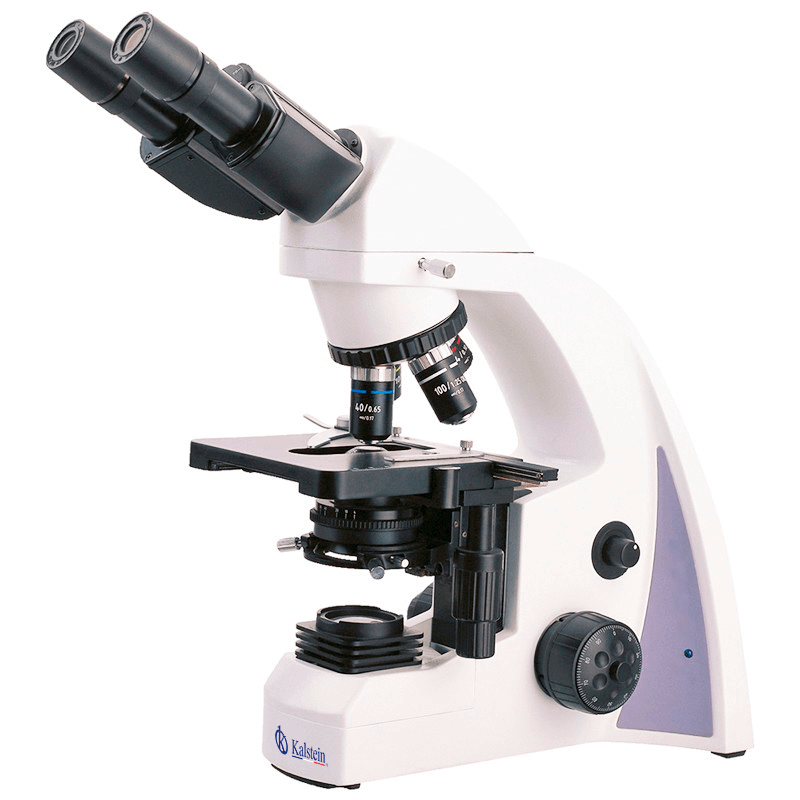
How Laboratory Microscopes Enhance University Research Projects
The role of laboratory microscopes in academic and university research projects is undeniable. These sophisticated instruments are pivotal for enabling students and researchers to conduct in-depth analyses in various fields such as biology, materials science, and chemistry. This article will explore how specific models of laboratory microscopes contribute significantly to research outcomes, discussing their features, applications, and the best practices to maximize their usage in a university setting.
Laboratory Microscopes: Essential Tools for Academic Research
Laboratory microscopes are invaluable in academic research due to their ability to magnify samples, enabling detailed observation and analysis. Their applications span a wide range of scientific inquiries, from examining cellular structures in biological studies to analyzing material properties in engineering projects. By utilizing these instruments effectively, researchers can enhance the quality and reproducibility of their work, making them crucial for university research.
Benefits of Using Laboratory Microscopes in Research
Utilizing laboratory microscopes in academic settings comes with numerous benefits:
- Enhanced Visualization: Microscopes provide high-resolution images that reveal details not observable to the naked eye.
- Versatility: Different models cater to various research needs, from biological studies to industrial applications.
- Improved Collaboration: Shared access to microscopes facilitates collaborative research among students and faculty.
- Teaching Aid: Microscopes serve as effective educational tools, helping students understand complex concepts.
Comparison of Available Models
| Model Code | Description | Best For | Price (USD) |
|---|---|---|---|
| YR0237-0-1 | Binocular head, wide-field eyepiece WF 10x/18 mm, and adjustable condenser. | Cell biology studies | 437.00 |
| YR0237-1 | Trinocular head, multiple objectives including 100x for high-magnification studies. | Advanced research in microbiology | 491.00 |
| YR0237-1-1 | Dual-layer mechanical stage for precise positioning and observation. | Material science experiments | 448.10 |
| YR03731-1 | High precision fluid handling pipette suitable for various liquid handling tasks. | Biochemistry and molecular biology | 13.00 |
| YR03731-2 | Volume-fixed pipette ergonomically designed for ease of use. | Routine lab applications | 13.00 |
| YR03731-3 | Robust pipette with low operational force, ideal for repetitive tasks. | High-throughput screening | 13.00 |
Common Mistakes and How to Avoid Them
In the pursuit of reliable results, researchers often overlook critical aspects of laboratory microscope usage. Here are some common mistakes and tips to avoid them:
- Neglecting Calibration: Always calibrate microscopes before use to ensure accuracy.
- Improper Sample Preparation: Follow strict guidelines for sample preparation to prevent artifacts.
- Overlooking Maintenance: Regular maintenance is essential for optimal performance; schedule routine checks.
- Inadequate Training: Ensure all users are trained in proper microscope handling and safety protocols.
Maximizing Laboratory Microscopes in Academic Research
To fully leverage laboratory microscopes in university research, researchers should consider the following strategies:
- Foster Collaboration: Encourage joint research projects that utilize shared microscopy resources.
- Integrate Technology: Utilize imaging software to analyze microscope data effectively.
- Conduct Workshops: Offer training sessions for students on advanced microscopy techniques.
- Focus on Documentation: Maintain detailed records of all experiments and observations for reproducibility.
Laboratory Microscopes in University Teaching Scenarios
Laboratory microscopes also play a crucial role in academic settings as teaching tools. They facilitate hands-on learning experiences, allowing students to engage directly with the material. Programs can be designed around the use of specific models like the YR0237-1, which offers high magnification suitable for exploring cellular structures, helping students grasp complex biological concepts.
Addressing Budget Constraints in Academic Projects
Budget limitations can often hinder research capabilities. Fortunately, laboratory microscopes like the YR03731 series pipettes are affordable and highly effective for essential liquid handling tasks, making them accessible for budget-conscious academic institutions. Prioritizing essential equipment based on research goals can help maximize available funding.
Frequently Asked Questions
How can laboratory microscopes improve research outcomes in universities?
Laboratory microscopes enhance research outcomes by providing high-resolution imaging essential for detailed observations. Models like the YR0237-1 allow researchers to study complex biological specimens, leading to more accurate results and insights.
Which laboratory microscope model is best for studying cellular structures?
The YR0237-1 model, with its trinocular head and multiple objective lenses, is ideal for studying cellular structures due to its high magnification capabilities, making it perfect for cellular biology research.
What are the maintenance requirements for laboratory microscopes used in research?
Regular maintenance for laboratory microscopes includes cleaning the lenses, calibrating the equipment, and scheduling professional servicing. For instance, the YR0237 series should be maintained bi-annually to ensure optimal performance.
How much should universities invest in laboratory microscopes for research projects?
Investing in laboratory microscopes such as the YR0237-1 or YR03731 series is essential. The cost varies but typically ranges from $437 to $491, providing significant returns in research quality and student learning experiences.
What are the common challenges when using laboratory microscopes in academic settings?
Common challenges include calibration issues, user errors, and equipment maintenance. Training students on proper usage and scheduling regular maintenance can help mitigate these challenges effectively.
Which features should universities consider in laboratory microscopes for research?
Universities should prioritize models with high-resolution optics, versatile magnification options, and ease of use, such as the YR0237-1, to support diverse research applications and enhance learning outcomes.
How can universities facilitate access to laboratory microscopes for research?
Facilitating access can be achieved by establishing shared lab spaces where multiple users can reserve time with specific models like the YR0237 series, ensuring collaborative and cross-disciplinary research efforts.
What role do laboratory microscopes play in education and research synergy?
Laboratory microscopes serve as a bridge between education and research by allowing students to engage in hands-on experiments, thus reinforcing theoretical knowledge through practical experience and fostering a deeper understanding of scientific concepts.
If you are looking for a fusion of innovation and quality, you have come to the right place. At Kalstein, we offer you the luxury of exploring our exclusive catalog of laboratory equipment. We manufacture every device to the highest standards of excellence. Our intuitive and seamless online purchasing channels are designed for your convenience, securing the most competitive prices. Hesitate no longer — we bring science to life, it is time to become part of our community.