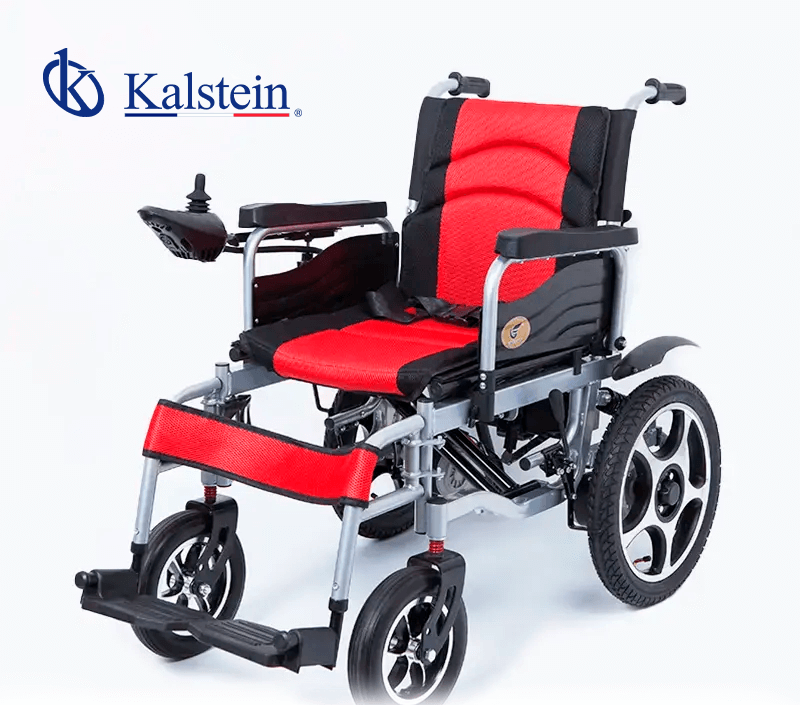
How Electric Wheelchairs Enhance Academic Research Projects
In academic research, accessibility is pivotal to conducting thorough investigations and ensuring that all participants can engage fully in the process. Electric wheelchairs play a significant role in providing mobility solutions that facilitate easier access to research environments. This article explores the various models of electric wheelchairs, their benefits, and how they can enhance academic research projects.
Understanding the Role of Electric Wheelchairs in Academic Research
Electric wheelchairs are designed to support individuals with mobility challenges, allowing them to navigate their environment more effectively. In academic settings, these devices ensure that researchers, students, and participants with disabilities can access facilities, laboratories, and outdoor areas, thus facilitating inclusive research practices. The right wheelchair model can significantly reduce barriers, promoting a fully integrated research environment.
Key Features of Electric Wheelchairs Beneficial for Research
When selecting electric wheelchairs for academic research, several features stand out:
- Portability: Lightweight and foldable designs make it easier to transport wheelchairs between different locations.
- Adjustability: Many models offer adjustable components such as armrests and footrests, ensuring user comfort.
- Control Options: Some models provide manual switch capabilities as an alternative, ensuring usability for various scenarios.
- Battery Life: Extended battery life ensures longer use during research activities without frequent recharging.
Comparison of Available Models
| Model Code | Seat Width | Max Load | Battery Type | Price (USD) |
|---|---|---|---|---|
| YR05440 | 45 cm | 130 kg | Lead Acid 24V 12Ah | 317.00 |
| YR05441 | 46 cm | 130 kg | Lead Acid 24V 12Ah | 352.00 |
| YR05442 | 45 cm | 200 kg | 48V 20Ah/32Ah | 793.00 |
| YR05443 | 45 cm | 130 kg | Lead Acid 24V 12Ah | 678.00 |
| YR05444 | 45 cm | 100 kg | Lithium 24V 12Ah | 1125.70 |
| YR05445 | 36 cm | 100 kg | Lithium 24V 6Ah | 610.00 |
Common Mistakes and How to Avoid Them
When selecting electric wheelchairs for academic research, it’s easy to overlook critical factors. Here are some common pitfalls:
- Not Considering Terrain: Ensure the selected model is appropriate for the environments where research will take place, such as labs or outdoor settings.
- Underestimating Weight Capacity: Always verify the weight capacity to ensure it meets the needs of users.
- Ignoring Battery Needs: Assess the duration of battery life against the expected usage during research activities.
- Overlooking Comfort Features: Choosing models without adjustable components may lead to discomfort during extended use.
Frequently asked questions
How can an electric wheelchair improve mobility for academic research participants?
Electric wheelchairs like the YR05442 can help participants navigate through diverse research environments, ensuring accessibility and inclusion in academic studies. This model supports up to 200 kg and is suitable for challenging terrains, enhancing mobility for those involved in research activities.
What are the best electric wheelchair features for university research projects?
Features such as portability, battery life, and adjustability are essential for academic research projects. The YR05441 model, for example, offers a robust battery and adjustable components, making it ideal for multi-user settings in university environments.
Which electric wheelchair model is best for outdoor academic research?
The YR05442 is highly recommended for outdoor academic research due to its powerful motor and ability to handle inclines. It is designed for rugged use, making it suitable for diverse outdoor research scenarios.
What is the average cost of electric wheelchairs used in research projects?
The cost of electric wheelchairs used in academic research projects varies widely. For example, the YR05440 model costs about $317.00, while more advanced models like the YR05444 are priced around $1125.70. Choosing the right model depends on specific research needs.
How do I choose the right electric wheelchair for my academic project?
Selecting the right electric wheelchair involves assessing the specific needs of your research participants. Consider factors like terrain, weight capacity, and battery life. Models like the YR05443 provide a good balance of portability and functionality for various academic settings.
What are the benefits of using electric wheelchairs in collaborative research settings?
Electric wheelchairs facilitate collaboration by ensuring that all participants can engage fully in research activities. For instance, the YR05440 model allows easy transport and maneuverability, promoting a collaborative environment in academic projects.
How does battery life affect the choice of electric wheelchairs in research?
Battery life is critical as it determines how long a wheelchair can be used during research activities without recharging. For instance, the YR05442 offers a significant range of up to 75 km, making it advantageous for extended use in various research contexts.
What are the maintenance requirements for electric wheelchairs used in academia?
Regular maintenance includes checking battery levels, ensuring the wheels are in good condition, and verifying that all electronic components function properly. Models like the YR05441 come with straightforward maintenance guidelines to ensure their longevity in academic settings.
If you are looking for a fusion of innovation and quality, you have come to the right place. At Kalstein, we offer you the luxury of exploring our exclusive catalog of laboratory equipment. We manufacture every device to the highest standards of excellence. Our intuitive and seamless online purchasing channels are designed for your convenience, securing the most competitive prices. Hesitate no longer — we bring science to life, it is time to become part of our community.