Horizontal Electrophoresis: Practical Step-by-Step Guide in 2026
What is it used for in 2026
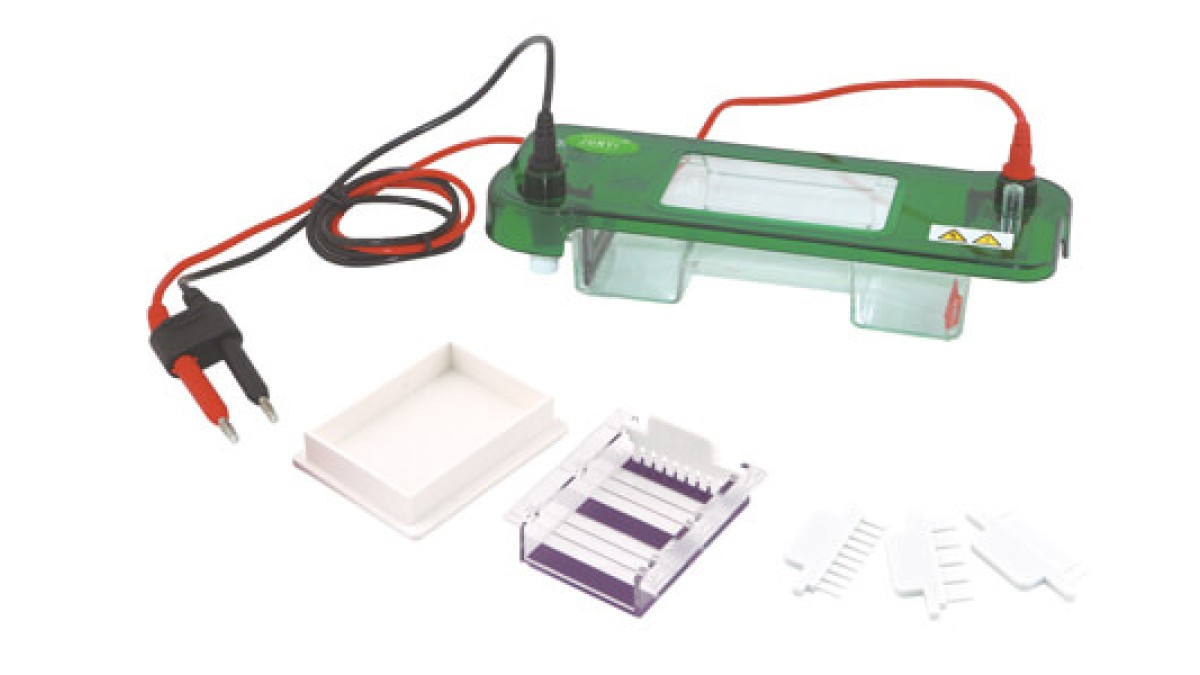
In 2026, Horizontal Electrophoresis remains a vital technique in molecular biology, biochemistry, and genetics. It is predominantly used for the separation of biomolecules such as DNA and RNA. This method allows researchers to visualize the fragments and assess their sizes, which is crucial in various applications, including genotyping, sequencing, and cloning. Additionally, Horizontal Electrophoresis is pivotal in the analysis of protein samples, enabling scientists to understand protein composition and structure.
History and evolution of the technology
Horizontal Electrophoresis technology has evolved significantly since its inception in the mid-20th century. Early models were rudimentary and primarily used for basic research. As technology progressed, innovations in gel formulation and tank designs led to enhanced resolution and efficiency. The introduction of advanced materials and digital monitoring has further refined the technique, making it more user-friendly and versatile. Today, Horizontal Electrophoresis stands as a cornerstone method in molecular laboratories, with ongoing advancements aimed at improving performance and accessibility.
How to use it step by step
- Preparation of Agarose Gel: Begin by preparing the agarose gel according to the desired concentration. Measure agarose powder and buffer, heat it until dissolved, and pour it into the gel tray.
- Sample Preparation: Dilute your samples in the appropriate loading buffer to ensure proper migration during electrophoresis.
- Loading the Gel: Once the gel has solidified, carefully place it in the electrophoresis tank and load the samples into the wells using a micropipette.
- Running the Electrophoresis: Connect the electrophoresis apparatus to a power supply. Set the voltage according to your protocol and run the gel for the required time.
- Visualization: After running, stain the gel with an appropriate dye, such as ethidium bromide, to visualize the separated bands using UV light.
- Documentation: Capture images of the gel for further analysis and record keeping.
Best techniques and protocols
Implementing best practices in Horizontal Electrophoresis involves optimizing the gel concentration based on the size of the DNA or RNA fragments being analyzed. Commonly, a 1-2% agarose gel is suitable for DNA separation. Ensure that the buffer system is compatible with the samples and minimizes degradation. Regularly calibrate the equipment and use high-quality reagents to maintain accuracy. Always handle samples under sterile conditions to prevent contamination.
Practical applications by laboratory type
- Clinical Laboratories: Used for genetic testing and biomarker discovery.
- Research Institutions: Essential in molecular cloning and transgenic research.
- Forensic Laboratories: A critical tool in DNA profiling.
- Educational Institutions: Utilized in teaching fundamental techniques of molecular biology.
Regulations, standards and certifications
In 2026, laboratories utilizing Horizontal Electrophoresis must adhere to various regulations and standards such as ISO, CLSI, and GLP. Compliance ensures the reliability of results and the safety of laboratory personnel. Regular audits and certifications are recommended to maintain quality assurance within the laboratory environment.
Comparison with alternative technologies
While Horizontal Electrophoresis is widely recognized, alternative methods such as capillary electrophoresis and vertical electrophoresis are also employed in specific applications. Capillary electrophoresis offers higher resolution and speed but at a higher cost. Conversely, vertical electrophoresis is advantageous for separating proteins but has limitations in DNA analysis. The choice of technology depends on the specific requirements and resources available in the laboratory.
Comparison of available models
| Model | Best for | Key specs | Recommended use case |
|---|---|---|---|
| YR03415 | General DNA/RNA electrophoresis | Gel Size: 186x205mm, Sample Volume: 3, 5, 9, Buffer Volume: ~150ml, Weight: 0.4Kg | Ideal for routine analysis in labs |
| YR03416 | Small scale experiments | Gel Size: 78x100mm, Sample Volume: 10, 15, Buffer Volume: ~400ml, Weight: 0.6Kg | Suitable for educational purposes |
| YR03417 | Versatile sample analysis | Gel Size: 60x60mm; 120x60mm; 60x120mm; 120x120mm, Sample Volume: 3, 6, 8, 11, 13, 18, 25, Buffer Volume: ~550ml, Weight: 1.1Kg | Great for various research needs |
| YR03418 | Larger sample sizes | Gel Size: 140x140mm; 140x70mm; 70x70mm, Sample Volume: 1, 2, 3, 6, 14, 8, 17, 13, 29, Buffer Volume: ~900ml, Weight: 2.0Kg | Effective for large scale genomics |
| YR03419 | High-throughput applications | Gel Size: 130x130mm; 78x100mm; 48x75mm, Sample Volume: 3, 5, 10, 15, 13, 26, Buffer Volume: ~600ml, Weight: 1.7Kg | Best for clinical testing |
| YR03420 | Large sample volumes | Gel Size: 200x200mm; 200x150mm; 200x100mm, Sample Volume: 17, 22, 36, 44, Buffer Volume: ~1800ml, Weight: 3.3Kg | Suitable for extensive research projects |
Common mistakes and how to avoid them
Laboratory professionals often encounter issues when using Horizontal Electrophoresis. Common mistakes include using the wrong gel concentration and buffer system, which can lead to poor resolution. To avoid these pitfalls, always refer to established protocols and optimize based on sample requirements. Additionally, ensure that samples are loaded uniformly and avoid overloading the wells, which can lead to band distortion.
Maintenance, calibration and good practices 2026
Regular maintenance of Horizontal Electrophoresis equipment is crucial for optimal performance. This includes cleaning the gel trays and tanks after each use, calibrating power supplies routinely, and replacing worn components. Implementing good laboratory practices such as labeling samples clearly and maintaining organized workspaces contributes to enhanced workflow efficiency and safety standards.
Cost-benefit analysis 2026
When investing in Horizontal Electrophoresis equipment, consider the initial acquisition cost versus the potential benefits. The value lies not only in the equipment's capabilities but also in the time saved and accuracy gained in laboratory results. Performing a thorough cost-benefit analysis ensures that laboratories can maximize their potential while staying within budgetary constraints.
Frequently asked questions
What is the best gel concentration for DNA electrophoresis?
The optimal agarose gel concentration for DNA electrophoresis typically ranges from 1% to 2%, depending on the fragment sizes you wish to analyze. Use 1% agarose for larger fragments (up to 10 kb) and 2% for smaller fragments (less than 1 kb).
How do I choose the right buffer for electrophoresis?
The choice of buffer depends on the type of molecules being separated. Common buffers include TAE and TBE for DNA and RNA, while specialized buffers may be required for protein electrophoresis. Ensure compatibility with your specific application to achieve optimal results.
Can I reuse agarose gels?
Reusing agarose gels is not recommended as they can lose resolution over time and may contaminate subsequent runs. It is best to prepare fresh gels for each experiment to ensure accuracy and reliability.
What precautions should I take while using electrophoresis equipment?
Always wear appropriate personal protective equipment (PPE) when handling chemicals and samples. Follow manufacturer guidelines for equipment operation and ensure that the workspace is clean to minimize contamination risks.
How can I enhance the resolution of my electrophoresis results?
To enhance resolution, optimize gel concentration, ensure proper sample loading, and maintain consistent electrophoresis conditions. Using a high-quality buffer and ensuring that the samples are not overloaded in the wells also contributes to better results.
What are the signs of electrolysis happening during electrophoresis?
Signs of electrolysis include the production of gas bubbles at the electrodes, which can disrupt the separation process. If this occurs, check the voltage settings and ensure that the buffer concentration is appropriate to minimize this effect.
Where can I find the best Horizontal Electrophoresis equipment?
To find the best Horizontal Electrophoresis equipment tailored to your needs, consider reaching out for a quote. This will help you evaluate options that fit your laboratory requirements.
If you are looking for a fusion of innovation and quality, you have come to the right place. At Kalstein, we offer you the luxury of exploring our exclusive catalog of laboratory equipment. We manufacture every device to the highest standards of excellence. Our intuitive and seamless online purchasing channels are designed for your convenience, securing the most competitive prices. Hesitate no longer — we bring science to life, it is time to become part of our community.