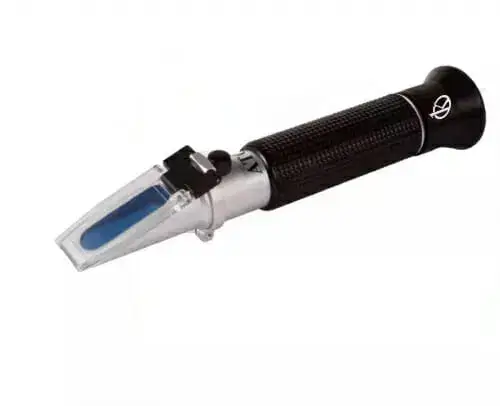
Honey Refractometers: Practical Applications and Techniques 2026
What is it used for in 2026
Honey refractometers are specialized instruments used for measuring the concentration of sugars in honey and other sweet substances. In 2026, these devices are applied primarily in laboratories, food production facilities, and agricultural settings to ensure the quality of honey and similar products. By determining the sugar concentration, these refractometers help monitor the ripeness of fruits and assess the quality of products post-harvest. Furthermore, they assist in controlling sugar concentrations during processing and packaging, providing critical insights for maintaining product standards.
History and evolution of the technology
The development of refractometers dates back to the early 19th century, evolving from basic optical devices to sophisticated instruments that are widely used today. Initially, refractometers were mechanical devices that required manual calculations. However, with advancements in optics and digital technology, modern refractometers, such as honey refractometers, now provide digital readings for enhanced accuracy and ease of use. This evolution reflects the growing need for precise measurement in food science, particularly in the honey industry.
How to use it step by step
Using a honey refractometer involves a few straightforward steps:
- Preparation: Ensure the refractometer is clean and calibrated according to the manufacturer's instructions.
- Sample Placement: Place a few drops of honey on the prism of the refractometer.
- Close the Cover: Gently close the cover plate to spread the sample evenly.
- Reading the Result: Look through the eyepiece or read the digital display to obtain the Brix percentage or water content.
- Record Data: Document the results for further analysis and quality control.
Best techniques and protocols
To achieve optimal results with honey refractometers, observe the following best techniques and protocols:
- Temperature Control: Ensure that the samples are at the recommended temperature range (usually 50-86°F or 10-30°C) for accurate readings.
- Multiple Readings: Take multiple measurements of the same sample to ensure consistency and reliability.
- Cleaning: Regularly clean the prism with distilled water and a soft cloth to avoid contamination and ensure accurate readings.
Practical applications by laboratory type
Honey refractometers have diverse applications across various laboratory types:
- Food Quality Control Labs: Used to ensure that honey and related products meet specified sugar content standards.
- Agricultural Research Facilities: Employed to monitor the ripeness of fruits and assess the quality of agricultural products.
- Beekeeping Operations: Essential for beekeepers to check the quality of honey before harvesting.
Regulations, standards and certifications
In the realm of food quality and safety, honey refractometers must comply with various regulations and standards established by food safety authorities. These include:
- FDA Regulations: Compliance with the Food and Drug Administration's standards for food products.
- ISO Certifications: Ensuring devices meet international standards for accuracy and reliability in measurements.
Comparison with alternative technologies
When comparing honey refractometers with alternative technologies, such as hydrometers and digital density meters, refractometers offer several advantages:
- Speed: Refractometers provide immediate readings compared to the longer processes of other methods.
- Sample Size: Require smaller sample sizes, making them more efficient for testing.
Comparison of available models
| Model | Best for | Key specs | Recommended use case |
|---|---|---|---|
| YR05885 | Measuring sugar content in honey | 58-92% Brix, ±0.5% Brix accuracy | Quality control in honey production |
| YR05885-1 | Measuring moisture in honey | 10-30% water, ±0.10% water accuracy | Field testing for moisture content |
| YR05885-2 | General use for sugar concentration | 58-92% Brix, ±0.5% Brix accuracy | Various applications in food labs |
| YR05886 | Optimal for lower sugar solutions | 10-30% water, ±0.10% water accuracy | Analyzing low-sugar food products |
Common mistakes and how to avoid them
Common mistakes when using honey refractometers include:
- Ignoring Temperature Effects: Failing to account for the temperature of samples can lead to inaccurate readings. Always ensure samples are at the correct temperature.
- Poor Cleaning Practices: Residue on the prism can skew results. Clean the refractometer after each use.
Maintenance, calibration and good practices 2026
Regular maintenance and calibration are critical for accurate results:
- Calibration: Perform routine calibrations using standard solutions to ensure accuracy.
- Storage: Store the refractometer in a protective case to prevent damage and ensure longevity.
Cost-benefit analysis 2026
Investing in honey refractometers has significant cost benefits for laboratories:
- Efficiency: Faster readings lead to increased productivity.
- Quality Assurance: Improved accuracy ensures product quality, reducing the risk of loss due to quality issues.
Frequently asked questions
What factors should I consider when choosing a honey refractometer?
When selecting a honey refractometer, consider the measurement range, accuracy, and whether it has automatic temperature compensation (ATC) for reliable readings across various temperatures.
How do I ensure accurate readings from my refractometer?
To achieve accurate measurements, regularly calibrate your refractometer, keep the prism clean, and ensure samples are at the optimal temperature before testing.
Can I use a honey refractometer for other types of liquids?
While honey refractometers are primarily designed for honey and similar substances, they can sometimes be used for other sugar-based liquids, but results may vary based on the liquid's properties.
What are the most common errors made during refractometer usage?
Common errors include using contaminated prisms, not calibrating the device properly, and misreading the scale due to unclear vision or insufficient light.
How often should I perform maintenance on my refractometer?
Maintenance should be performed after each use, including cleaning the prism and calibrating regularly based on usage frequency to maintain optimal performance.
Is a digital refractometer better than an optical one?
Digital refractometers often provide easier-to-read results and are generally more accurate, especially in fluctuating temperatures. However, optical refractometers can be more portable and do not require batteries.
If you are looking for a fusion of innovation and quality, you have come to the right place. At Kalstein, we offer you the luxury of exploring our exclusive catalog of laboratory equipment. We manufacture every device to the highest standards of excellence. Our intuitive and seamless online purchasing channels are designed for your convenience, securing the most competitive prices. Hesitate no longer — we bring science to life, it is time to become part of our community.