Histopathology Accessories And Consumables Package: A Practical Step-by-Step Usage Guide 2026
What is it used for in 2026
The Histopathology Accessories and Consumables Package plays a vital role in tissue processing and analysis in laboratories. This family of products is essential for enhancing the efficiency and accuracy of histopathological examinations. In 2026, these consumables will be utilized in various laboratory workflows to streamline processes from tissue embedding to microtomy, ensuring high-quality sample preparation.
History and evolution of the technology
Histopathology has evolved significantly over the decades, with advancements in technology leading to better-quality tissue samples. The development of disposable microtome blades, tissue embedding cassettes, and high-quality paraffin blocks has transformed how histologists prepare and analyze tissues. The advent of plug-and-play consumables has further simplified laboratory workflows, allowing for error reduction and time savings.
How to use it step by step
The following steps outline how to effectively use the histopathology accessories and consumables in a typical laboratory setting:
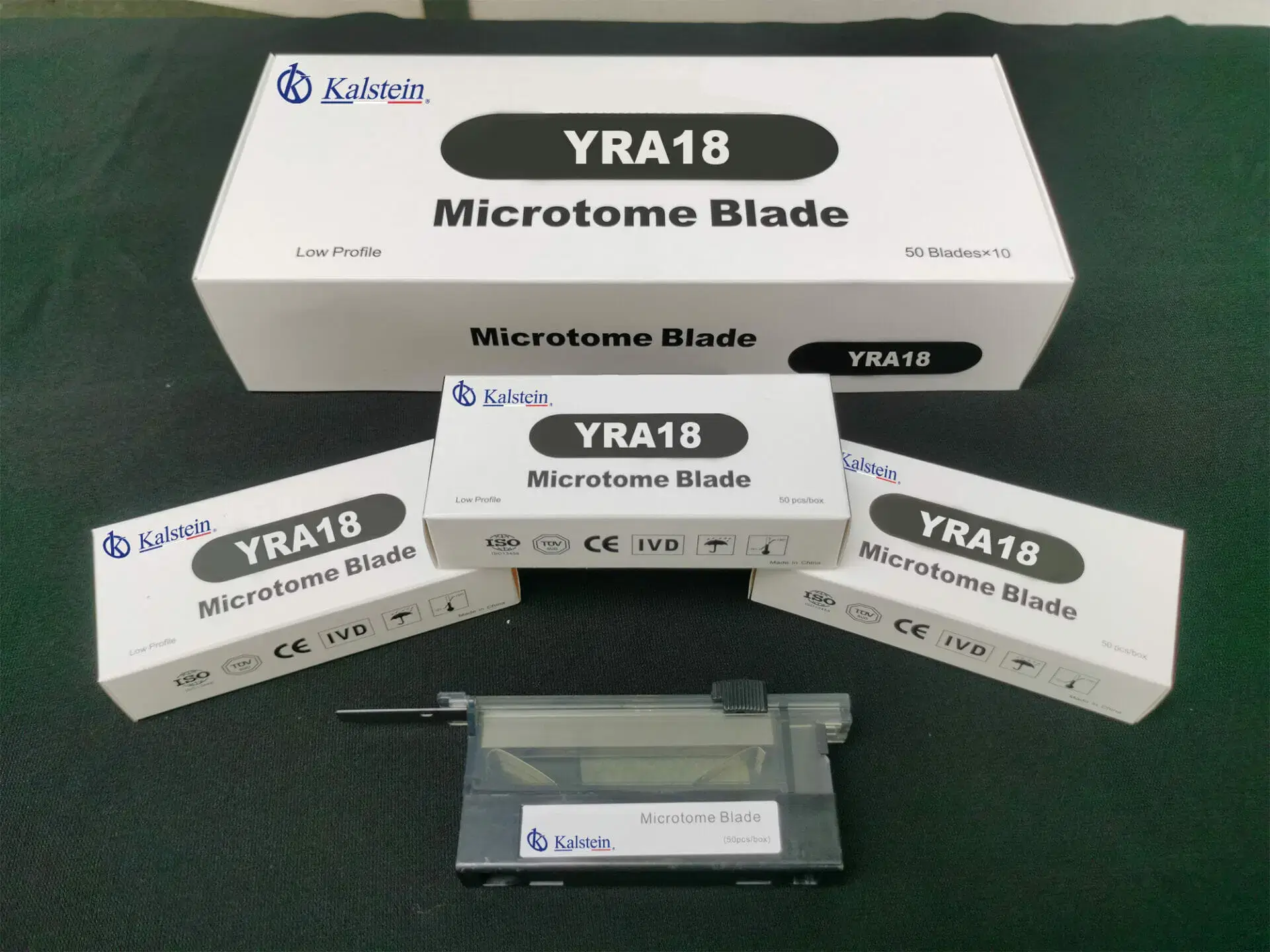
- Select the appropriate consumables: Choose consumables like microtome blades (YRA18-1 or YRA19-1), tissue embedding cassettes (YRA20-1), and paraffin products (YRA33-2 and YRA33-3) based on your specific needs.
- Prepare the tissue sample: Process the tissue sample according to standard protocols, ensuring it is suitable for embedding.
- Embedding: Use the tissue embedding cassette (YRA20-1) for proper sample encapsulation. Fill the cassette with paraffin (YRA33-2 or YRA33-3) to secure the tissue.
- Microtomy: Utilize either the low-profile (YRA18-1) or high-profile (YRA19-1) disposable microtome blades to cut thin sections of the embedded tissue.
- Mounting: Place the tissue sections onto glass slides for microscopic examination.
- Staining: Follow appropriate histological staining protocols to visualize the cellular structures.
Best techniques and protocols
To achieve optimal results, follow these best practices when using histopathology consumables:
- Always ensure that blades are sharp and free from contamination to avoid tissue damage.
- Maintain consistency in the embedding process to ensure that tissue morphology is preserved.
- Utilize proper sectioning techniques, including adjusting the thickness of cuts based on the tissue type.
- Regularly calibrate equipment to maintain accuracy in measurements and cuts.
Practical applications by laboratory type
The histopathology accessories and consumables can be applied in various laboratory types, including:
- Research Laboratories: Utilized for experimental studies requiring tissue analysis.
- Clinical Laboratories: Essential for diagnostic purposes in pathology departments.
- Educational Institutions: Used in teaching histopathology techniques to students.
Regulations, standards and certifications
Laboratories must adhere to specific regulations and standards when using histopathology consumables. Key standards include:
- ISO certifications for laboratory equipment to ensure quality and safety.
- Compliance with Good Laboratory Practice (GLP) guidelines.
- Regular audits to maintain quality control and assurance.
Comparison with alternative technologies
While traditional methods of histopathology are still prevalent, advanced technologies such as automated tissue processors and digital pathology systems are emerging. These alternative solutions offer benefits such as increased throughput and enhanced analysis capabilities, but they may also require significant investment compared to conventional histopathology consumables.
Comparison of available models
| Model | Best for | Key specs | Recommended use case |
|---|---|---|---|
| YRA18-1 | Low-profile cutting | 250 boxes | Ideal for regular tissue sectioning tasks. |
| YRA19-1 | High-profile cutting | 40 boxes | Best for dense or hard tissues. |
| YRA20-1 | Tissue embedding | 9000 pieces | Effective for securing tissue samples prior to sectioning. |
| YRA21-1 | Plastic cassettes | 4000 pieces | Suitable for embedding with high clarity. |
| YRA33-2 | Paraffin blocks | 10kgs (20 boxes) | Used for embedding tissues in stable forms. |
| YRA33-3 | Granular paraffin | 10 KG (10 bags) | Ideal for various embedding needs. |
Common mistakes and how to avoid them
To ensure successful histopathological processes, avoid these common mistakes:
- Using dull blades: Always check and replace blades regularly to ensure clean cuts.
- Improper embedding: Make sure the embedding medium is fully infiltrated before cutting.
- Inconsistent section thickness: Calibrate your microtome to maintain uniformity in section thickness.
Maintenance, calibration and good practices 2026
Regular maintenance and calibration of equipment are crucial:
- Clean microtome blades after each use to prevent contamination.
- Calibrate the microtome at regular intervals to ensure accuracy.
- Store paraffin and consumables in controlled conditions to maintain quality.
Cost-benefit analysis 2026
Investing in high-quality histopathology accessories and consumables is essential for laboratory efficiency and accuracy. The benefits of reduced error rates, increased throughput, and improved sample quality often outweigh the initial costs. A detailed cost-benefit analysis should be conducted to determine the best investment for your laboratory's specific needs.
Frequently asked questions
What are the best practices for using microtome blades?
Best practices for using microtome blades include keeping them sharp, ensuring they are clean, and using the appropriate blade type based on the tissue being cut.
How do I choose the right embedding cassette?
Select an embedding cassette based on the size of your tissue sample and the type of embedding process you plan to use.
What maintenance is required for histopathology consumables?
Regular cleaning, proper storage, and monitoring expiration dates are essential for maintaining histopathology consumables.
Can I use different brands of consumables together?
While it is ideal to use compatible consumables from the same brand, some products may work together depending on specifications and requirements.
What should I do if I notice errors during sectioning?
Check the sharpness of the blade, ensure proper embedding, and assess technique for corrections in case of errors during sectioning.
How often should I calibrate my microtome?
It is recommended to calibrate your microtome at least once a month or more frequently based on usage levels.
If you are looking for a fusion of innovation and quality, you have come to the right place. At Kalstein, we offer you the luxury of exploring our exclusive catalog of laboratory equipment. We manufacture every device to the highest standards of excellence. Our intuitive and seamless online purchasing channels are designed for your convenience, securing the most competitive prices. Hesitate no longer — we bring science to life, it is time to become part of our community.