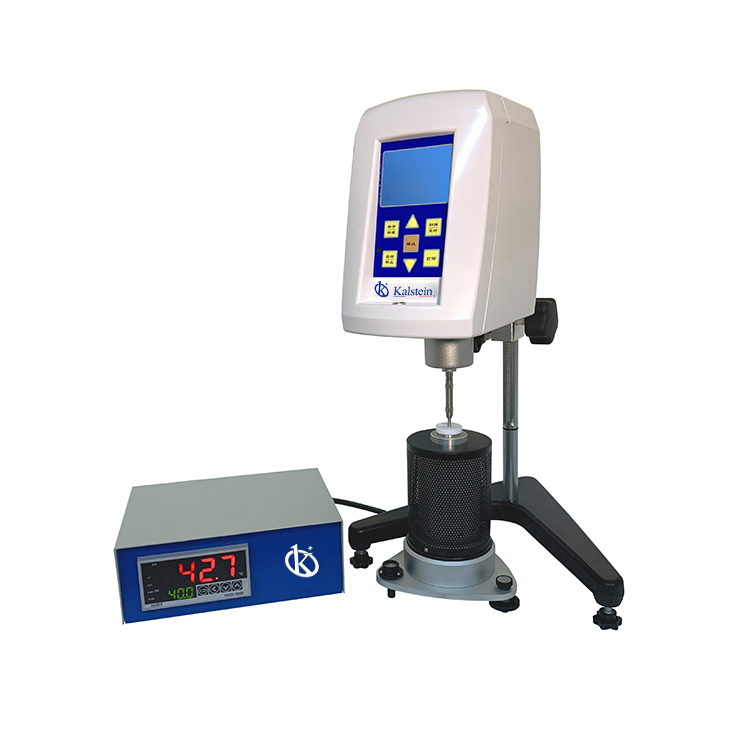
High Temperature Viscometer YR05844: Installation and Commissioning Guide 2026
The High Temperature Viscometer YR05844 is a state-of-the-art instrument designed for precise viscosity measurements in various applications. Proper installation and commissioning are crucial for unlocking its full potential and ensuring accurate results. This guide provides detailed steps and insights into the setup process, addressing common challenges and best practices for operators.
Unboxing and Initial Setup
Before diving into the installation of the YR05844, it's essential to conduct a thorough unboxing to ensure all components are intact. Here’s a checklist to follow:
- Verify that all items listed in the user manual are included.
- Inspect the viscometer for any visible damage.
- Check for additional accessories such as rotors and sample adapters.
- Ensure the power cable and any USB connectors are available.
Once validated, proceed to find an appropriate location for the device, considering environmental factors such as temperature, humidity, and accessibility. The YR05844 operates effectively at room temperature plus 10°C to 250°C, making it suitable for various laboratory settings.
Installation Process
To install the YR05844, follow these steps:
- Positioning: Place the viscometer on a stable, level surface to prevent any vibrations that could affect measurements.
- Anchoring and Leveling: Use leveling feet to adjust the height as necessary, ensuring that the device is perfectly horizontal.
- Electrical Connections: Connect the power cable to a stable power outlet that meets the voltage specifications.
- Connecting to External Devices: If applicable, connect the RS232 interface for data output and printer connection.
After physical installation, power on the device and check that all indicators on the display are functioning correctly.
Calibration and First Measurement
Calibrating the YR05844 is essential for ensuring accurate viscosity measurements. Here is how to perform the calibration:
- Select standard viscosity samples for calibration based on the expected range of measurements.
- Input the sample data into the device using the LCD display.
- Run the calibration process as directed in the user manual, making sure to record the results for future reference.
Once calibrated, conduct a first measurement with a known standard viscosity sample to validate the results. This step helps establish trust in the instrument's accuracy and reliability.
Troubleshooting Common Installation Issues
Despite careful setup, operators may encounter some common issues. Below is a symptom-cause-solution matrix for quick troubleshooting:
| Symptom | Cause | Solution |
|---|---|---|
| Device does not power on | Power cable not connected | Check power connections and outlet functionality. |
| Inconsistent viscosity readings | Poor calibration | Re-calibrate with standard samples. |
| Error code displayed | Faulty rotor or sample adapter | Inspect and replace damaged components. |
Environmental and Site Requirements
To ensure optimal performance of the YR05844, it is important to consider environmental conditions:
- Temperature: Operating range of ambient temperature plus 10°C to 250°C.
- Humidity: Maintain low humidity levels to prevent condensation.
- Electrical Considerations: Use a stable power supply with appropriate voltage and frequency.
- Clearances: Ensure adequate space around the device for ventilation and accessibility.
Operators should conduct a site-preparation checklist before installation:
| Requirement | Checklist |
|---|---|
| Temperature Control | Check room temperature measurement and adjust as necessary. |
| Electrical Supply | Verify voltage and frequency match device specifications. |
| Space Requirements | Ensure enough clearance for operation and maintenance. |
Frequently Asked Questions
What is the recommended sample volume for the YR05844?
The High Temperature Viscometer YR05844 requires a minimal sample volume of 15-20 ml for accurate measurements.
How do I calibrate the YR05844 for different viscosity ranges?
Calibration involves using standard viscosity samples within the expected measurement range. The procedure is outlined in the user manual, ensuring you input correct values for each standard.
What types of materials can I measure with the YR05844?
The viscometer is suitable for various materials, particularly non-Newtonian liquids that exhibit viscosity changes with temperature and shear rate.
What should I do if the LCD display is not showing readings?
If the display does not show readings, check the power connections and ensure that the device is properly calibrated. If the issue persists, consult the troubleshooting section of the manual.
Can the YR05844 connect to a printer for documentation?
Yes, the YR05844 features an RS232 interface that allows for direct connection to a microprinter for recording measurements.
What is the error tolerance for measurements taken with the YR05844?
The device has a test error tolerance of ±3% for Newtonian liquids, ensuring reliable results within this range.
How do I maintain the YR05844 for longevity and accuracy?
Regular maintenance includes cleaning the sample adapters and rotors, performing calibrations before significant changes in operation, and adhering to the manufacturer's service intervals.
If you are looking for a fusion of innovation and quality, you have come to the right place. At Kalstein, we offer you the luxury of exploring our exclusive catalog of laboratory equipment. We manufacture every device to the highest standards of excellence. Our intuitive and seamless online purchasing channels are designed for your convenience, securing the most competitive prices. Hesitate no longer — we bring science to life, it is time to become part of our community.
Technical Data for YR05844
| Model | YR05844 |
|---|---|
| Display | Liquid-crystal display |
| Speed (r/min) | 0.5/1/2/2.5/4/5/10/15/20/25/30/40/50/60/70/80/90/100 (Total of 18 speeds) |
| Rotor | 18, 25, 31, 34 (with standard configuration 21, 27, 28, 29) |
| Measuring Range (mPa.s) | 3 - 1.6M (18 rotor: 3-10K, 25 rotor: 480-1.6M, 31 rotor: 30-100K, 34 rotor: 60-200K) |
| Test Error | ±3% (Newtonian liquid) |
| Repetitive Error | ±1.5% (Newtonian liquid) |
| Temperature Control Range | Room temperature plus 10°C - 250°C (300°C optional) |
| Temperature Control Accuracy | 0.1°C |
| Print Interface | Yes |