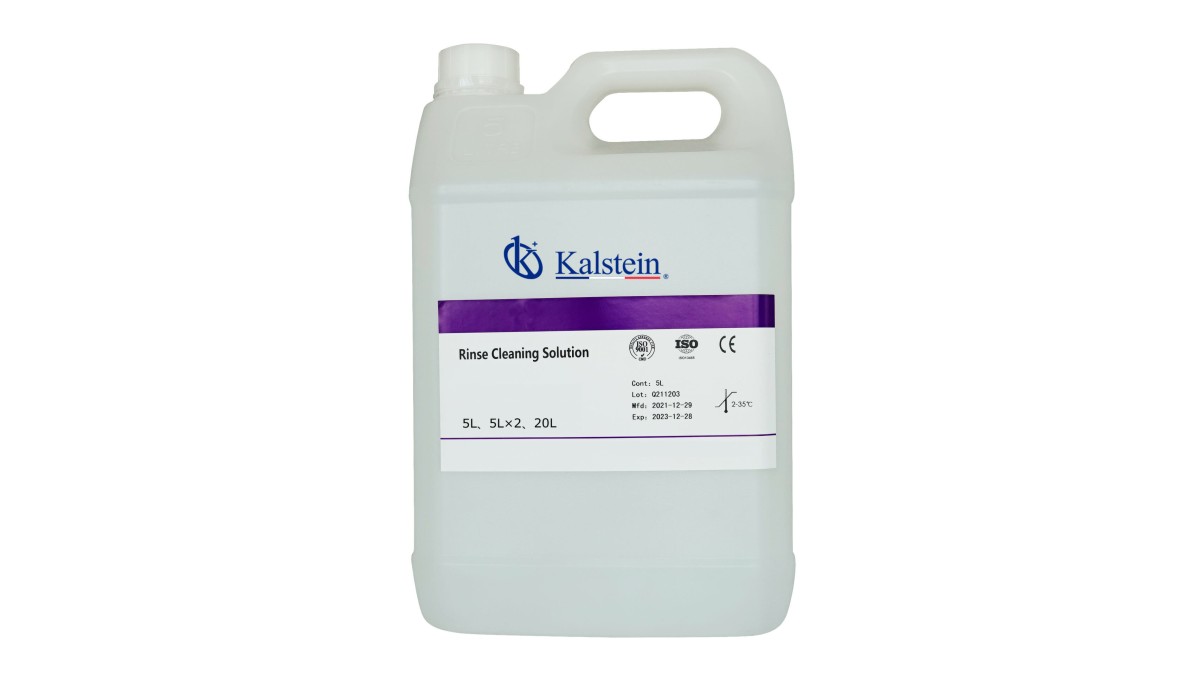
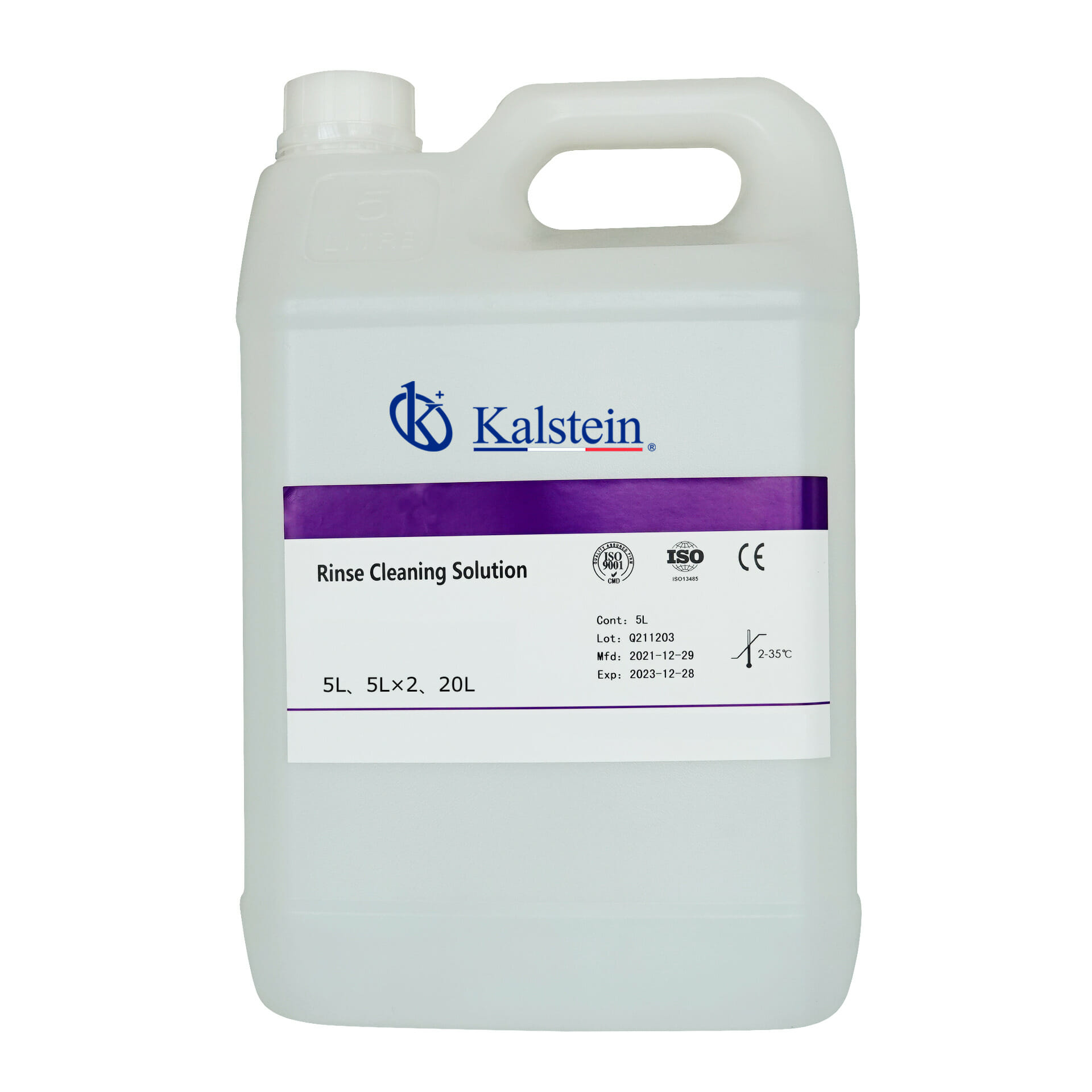
Hematology Reagents: Practical Applications and Techniques 2026
Hematology reagents play a crucial role in clinical laboratories, aiding in the analysis of blood components. Their application spans from routine tests to complex analyses, facilitating accurate diagnostics and research. In 2026, understanding how to effectively use hematology reagents is essential for laboratory professionals aiming to enhance their workflows and outcomes.
What is it used for in 2026
In 2026, hematology reagents are primarily used for:
- Blood Cell Analysis: These reagents facilitate the in vitro detection and analysis of blood cells, hemoglobin, and other components essential for diagnosing various conditions.
- Quality Control: Hematology reagents ensure the quality of test results by cleaning and preparing samples accurately for analysis.
- Research Applications: They are widely employed in scientific research to study blood-related conditions, enabling advancements in medical knowledge and treatments.
History and evolution of the technology
The evolution of hematology reagents is rooted in the early 20th century when blood analysis began to gain prominence in medical diagnostics. Initially, basic staining techniques were used to examine blood smears manually. Over the decades, technological advancements have led to the development of automated systems requiring specialized reagents for accurate results.
By the late 20th century, the introduction of automated analyzers revolutionized blood testing, necessitating the creation of specific reagents that could be standardized for consistent performance. Today, modern hematology reagents are designed for optimal compatibility with advanced analyzers, ensuring precision and reliability in clinical settings.
How to use it step by step
Using hematology reagents involves several critical steps to ensure accurate and reliable results:
- Preparation: Gather all necessary reagents, samples, and equipment. Ensure that you have the right reagent for the specific test protocol.
- Sample Handling: Collect blood samples using sterile techniques to prevent contamination. Store samples appropriately until analysis.
- Reagent Mixing: Follow the manufacturer's instructions for diluting or mixing reagents when necessary. Ensure proper vortexing if required.
- Analysis Setup: Load samples and reagents into the analyzer as per the device's operating manual. Ensure that all settings are calibrated correctly.
- Run Test: Initiate the test and monitor the process to confirm that the analyzer is functioning correctly.
- Data Interpretation: Once analysis is complete, interpret the results in conjunction with clinical data for accurate diagnostics.
- Documentation: Record all findings and reagent usage for traceability and quality assurance.
Best techniques and protocols
Implementing best practices and established protocols is vital for effective use of hematology reagents:
- Standard Operating Procedures (SOPs): Always follow SOPs specific to your laboratory for handling and using reagents to ensure consistency.
- Quality Control: Regularly perform quality control checks using control samples to validate the performance of both reagents and analyzers.
- Calibration: Calibrate all equipment regularly to maintain accuracy in measurements.
- Training: Ensure all personnel are trained in the proper use of reagents and equipment to minimize errors.
Practical applications by laboratory type
Hematology reagents find diverse applications across various laboratory settings:
- Clinical Laboratories: Utilized for routine blood tests, including complete blood counts (CBC) and differential counts.
- Research Laboratories: Employed in studies related to hematology, oncology, and other blood disorders.
- Veterinary Laboratories: Analyzed for animal blood samples to diagnose and manage veterinary conditions.
- Blood Banks: Used in blood typing and compatibility testing to ensure safe transfusions.
Regulations, standards and certifications
In 2026, laboratories must adhere to various regulations and standards regarding hematology reagents:
- ISO Standards: Compliance with ISO 15189 standards for medical laboratories ensures quality and competence.
- CLIA Regulations: Laboratories must meet Clinical Laboratory Improvement Amendments (CLIA) requirements for laboratory testing.
- FDA Approvals: Ensure that reagents are FDA-approved to guarantee safety and effectiveness.
Comparison with alternative technologies
While hematology reagents are essential, alternative technologies also exist:
- Flow Cytometry: Offers more detailed cellular analysis but requires specialized training and equipment, making it more expensive than traditional hematology reagents.
- Point-of-Care Testing: Provides rapid results but may lack the accuracy and comprehensive analysis of traditional laboratory methods.
- Microscopy: Still used for specific analyses but is labor-intensive and less efficient compared to automated systems.
Comparison of available models
| Model | Best for | Key specs | Recommended use case |
|---|---|---|---|
| YRA45 | Diluent for blood analysis | 20L | Use in preparation and dilution of samples for testing. |
| YRA46 | Lyse for blood cell analysis | 500 ml | Best used for lysing red blood cells in complete blood counts. |
| YRA47 | Clarifying solution | 5L, 20L | Used to clarify samples for more accurate readings. |
| YRA48 | EZ Cleaner | 100 ml | Effective cleaner for blood analyzers, ensuring accurate results. |
| YRA49 | Probe Cleaner | 50 ml | Ideal for cleaning probes, maintaining equipment efficiency. |
| YRA50 | Diluent for blood analysis | 20L | Optimal for diluting samples in high-volume testing facilities. |
Common mistakes and how to avoid them
Several common mistakes can occur while using hematology reagents:
- Using expired reagents: Always check expiration dates before use to ensure efficacy.
- Improper storage: Store reagents as per manufacturer guidelines to maintain their integrity.
- Incorrect mixing: Follow instructions for mixing reagents accurately to avoid skewed results.
- Neglecting calibration: Regularly calibrate equipment to prevent inaccuracies in testing.
Maintenance, calibration and good practices 2026
To ensure the effectiveness of hematology reagents, proper maintenance and calibration are essential:
- Regular Maintenance: Clean and service analyzers according to manufacturer specifications to prolong their lifespan.
- Calibration Procedures: Establish a routine calibration schedule to maintain accuracy.
- Training and Education: Provide continuous training for laboratory personnel to keep them updated on best practices.
Cost-benefit analysis 2026
Conducting a cost-benefit analysis for hematology reagents involves evaluating:
- Initial Investment: Consider costs associated with purchasing reagents, analyzers, and maintenance.
- Operational Costs: Analyze recurring costs for reagents and quality control measures.
- Value of Accurate Results: Weigh the benefits of accurate testing against potential costs of misdiagnosis or treatment.
Frequently asked questions
What are the main considerations when choosing hematology reagents?
When selecting hematology reagents, consider factors such as compatibility with your analyzer, the type of tests you perform, and the quality control measures in place.
How do I ensure the accuracy of results with hematology reagents?
Ensure accuracy by following manufacturer protocols, performing regular equipment calibrations, and using quality control samples.
What is the shelf life of hematology reagents?
Shelf life can vary significantly based on the type of reagent and storage conditions; always check the expiration date provided by the manufacturer.
Can I mix different brands of hematology reagents?
It is generally not recommended to mix different brands of reagents, as they may not be compatible and could produce inaccurate results.
What are the best practices for storing hematology reagents?
Store reagents as per manufacturer instructions, typically in a cool, dry place, and avoid exposure to extreme temperatures and light.
What should I do if I suspect reagent contamination?
Immediately discontinue use of the suspected reagent and follow your laboratory's protocol for contamination, including reporting and disposing of the reagent safely.
How can I improve efficiency when using hematology reagents?
Improve efficiency by streamlining workflows, using automation wherever possible, and ensuring all staff are well-trained in reagent handling.
If you are looking for a fusion of innovation and quality, you have come to the right place. At Kalstein, we offer you the luxury of exploring our exclusive catalog of laboratory equipment. We manufacture every device to the highest standards of excellence. Our intuitive and seamless online purchasing channels are designed for your convenience, securing the most competitive prices. Hesitate no longer — we bring science to life, it is time to become part of our community.