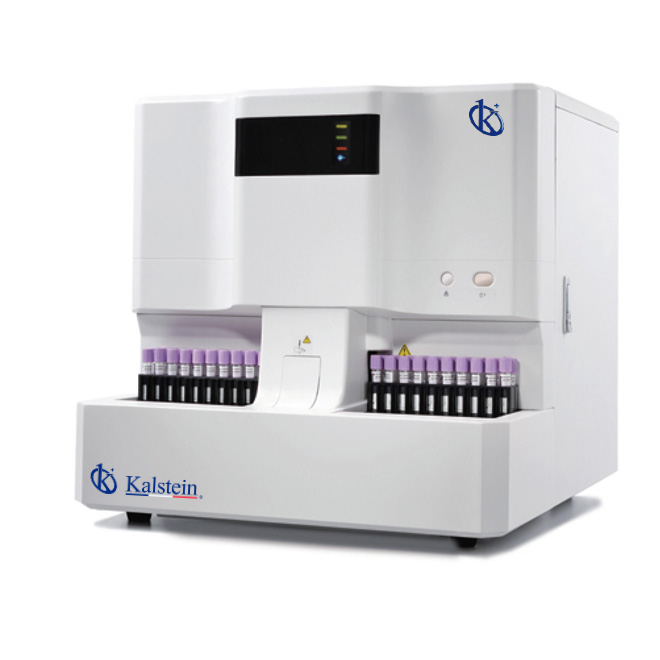
How to Utilize Hematology Analyzers in University Research Projects
Hematology analyzers play a pivotal role in university research projects by providing accurate blood analysis, which is essential in various academic disciplines, including medicine, biology, and health sciences. This article delves into the effective applications of hematology analyzers specifically in the context of university research, exploring how these devices can enhance research outcomes, streamline processes, and contribute to high-quality data generation.
Understanding the Role of Hematology Analyzers in Research
In academic research, especially in fields that require blood analysis, hematology analyzers become integral tools. These devices allow researchers to conduct complex analyses efficiently, providing insights into blood parameters that are vital for various studies, such as those focusing on diseases, genetic research, and comparative biology. The integration of these analyzers in university laboratories enhances the capacity for high-throughput testing, which is crucial for obtaining statistically significant data.
Applications in University Research
Hematology analyzers are utilized in various research contexts within universities:
- Clinical Research: They facilitate the examination of blood samples in clinical trials, ensuring accurate data collection for drug efficacy and safety studies.
- Biomedical Research: Researchers can investigate hematological parameters in animal models, providing insights into human diseases.
- Public Health Studies: Analyzers help in large-scale health surveys, enabling researchers to assess population health metrics effectively.
Model Specifications and Their Importance
Choosing the right hematology analyzer is crucial. Various models present unique features to cater to the specific needs of academic research. Below, we discuss key models and their applications in university settings:
Model Descriptions
| Model Code | Name | Description | Best For |
|---|---|---|---|
| YR06080 | Automatic Hematology Analyzer YR06080 | Offers 28 parameters, capable of processing 60 samples/hour. | High-throughput laboratories needing precision. |
| YR05123 | Automatic Hematology Analyzer YR05123 | Processes 60 samples/hour with 3D topographical maps. | Research requiring accurate white blood cell counts. |
| YR05122-1 | Automatic Hematology Analyzer YR05122-1 | Differentiates WBC in 5 parts, supports 60 samples/hour. | Detailed blood analysis in research projects. |
| YR05122 | Automatic Hematology Analyzer YR05122 | 23 parameters, 35 samples/hour; low sample consumption. | Budget-friendly option for student research. |
| YR05121 | Fully Automated Hematology Analyzer YR05121 | Supports 35 samples/hour with extensive parameter analysis. | Advanced research requiring automation. |
| YR05120 | Fully Automated Hematology Analyzer YR05120 | Processes 35 samples/hour with robust interfaces. | Research labs looking for user-friendly solutions. |
Comparison of Available Models
| Model | Sample Processing Speed (samples/hour) | Key Features | Ideal Research Scenario |
|---|---|---|---|
| YR06080 | 60 | 28 parameters, comprehensive reports | High-demand environments such as large studies |
| YR05123 | 60 | 3D topographical mapping | Detailed hemato-oncological studies |
| YR05122-1 | 60 | 5-part WBC differentiation | Advanced blood research projects |
| YR05122 | 35 | Low sample volume requirements | Budget-restricted academic research |
| YR05121 | 35 | High-level automation | Comprehensive laboratory automation needs |
| YR05120 | 35 | User-friendly interface | Student training and smaller projects |
Common Mistakes and How to Avoid Them
When integrating hematology analyzers into university research, several common pitfalls can impede success:
- Ignoring Calibration Needs: Regular calibration is vital for accuracy. Ensure adherence to the manufacturer's guidelines for calibration schedules.
- Overlooking Training: Proper training of personnel on the devices is crucial for effective use. Invest in training sessions to maximize analyzer capabilities.
- Neglecting Maintenance: Routine maintenance is essential to prolong the lifespan of analyzers and ensure reliability. Schedule regular maintenance checks.
Frequently Asked Questions
How can hematology analyzers support university research projects effectively?
Hematology analyzers like the YR06080 provide precise blood analysis, enabling researchers to obtain reliable data for various studies, from disease research to public health initiatives. Their ability to process up to 60 samples per hour makes them ideal for high-demand research environments.
What features should I look for in a hematology analyzer for research?
Look for features such as high sample throughput, multi-parameter analysis capabilities, and low sample volume requirements. For instance, the YR05122-1 offers 5-part WBC differentiation, which is beneficial for detailed research analyses.
Which hematology analyzer is best for academic institutions on a budget?
The YR05122 is an excellent choice for academic institutions with budget constraints due to its low operating costs and ability to process up to 35 samples per hour. It meets essential research needs without compromising on quality.
How often should hematology analyzers be calibrated in a research environment?
Calibration frequency depends on usage but generally should be performed at least monthly or after a significant change in ambient conditions. Adhering to this routine maximizes the accuracy of analyzers like the YR05123.
What are the key operational benefits of using automated hematology analyzers in research?
Automated hematology analyzers enhance productivity by reducing manual errors, speeding up processing times, and allowing for higher throughput. Models like the YR06080 can process 60 samples per hour, streamlining laboratory workflows significantly.
Can hematology analyzers assist in teaching scenarios within university laboratories?
Yes, devices like the YR05120, with user-friendly interfaces, can be excellent teaching tools in university laboratories. They allow students to gain hands-on experience with real-world laboratory equipment and procedures.
What should be considered for the integration of hematology analyzers into existing lab workflows?
Consider factors such as compatibility with existing laboratory information systems (LIS), training for staff, and adequate maintenance schedules. Ensuring models like the YR05121 are integrated smoothly can enhance overall lab efficiency.
How do hematology analyzers contribute to reproducibility in research findings?
By providing consistent and accurate blood analysis, hematology analyzers ensure that research findings are reproducible across different studies. Reliable models like the YR05122-1 support reproducibility through precise parameter differentiation.
If you are looking for a fusion of innovation and quality, you have come to the right place. At Kalstein, we offer you the luxury of exploring our exclusive catalog of laboratory equipment. We manufacture every device to the highest standards of excellence. Our intuitive and seamless online purchasing channels are designed for your convenience, securing the most competitive prices. Hesitate no longer — we bring science to life, it is time to become part of our community.