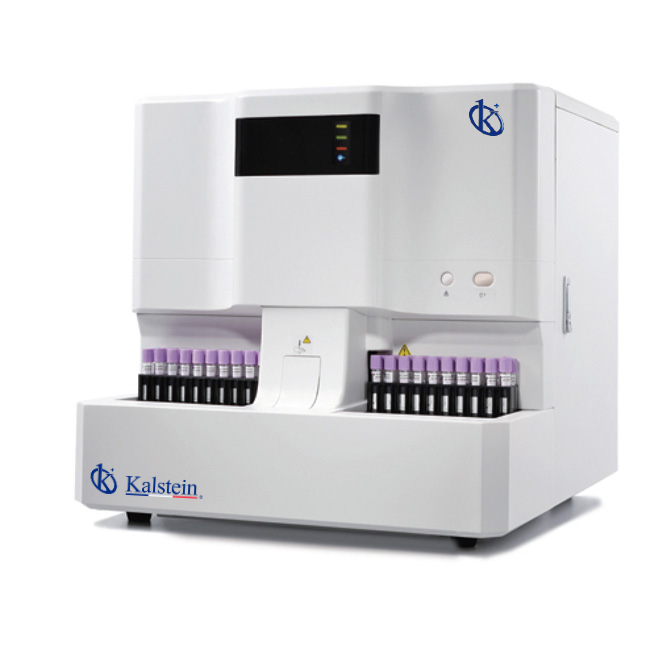
Hematology Analyzers: Best Techniques and Protocols in 2026
Hematology analyzers are essential tools in modern laboratories, providing critical data for diagnosing and monitoring diseases. As technology evolves, understanding how to effectively utilize these analyzers has become increasingly important for laboratory professionals. This article explores the best techniques and protocols for hematology analyzers in 2026, ensuring optimal performance and reliability in laboratory workflows.
What is it used for in 2026
In 2026, hematology analyzers are primarily used for analyzing blood samples to determine various hematological parameters. These devices are capable of measuring cell counts, hemoglobin concentration, hematocrit levels, and differentiating white blood cells. The output helps healthcare providers diagnose conditions such as anemia, infections, and blood disorders, thereby playing a crucial role in patient management and treatment decisions. Modern analyzers also offer enhanced capabilities such as 3D scatter plots for more detailed analysis.
History and evolution of the technology
The evolution of hematology analyzers dates back several decades, transitioning from manual methods to fully automated systems. Early devices required significant manual intervention and were limited in their output. The introduction of automated analyzers in the late 20th century revolutionized blood analysis, allowing for high throughput and accuracy. Innovations such as laser technology and integrated incubation systems have further enhanced analyzers, enabling them to process more samples efficiently and accurately. By 2026, these improvements have led to sophisticated analyzers capable of delivering comprehensive data with minimal human input.
How to use it step by step
Using a hematology analyzer involves several key steps:
- Preparation: Ensure that all necessary materials, including blood samples and reagents, are ready and that the analyzer is calibrated and properly maintained.
- Sample Collection: Collect blood samples using appropriate techniques to avoid contamination or hemolysis.
- Sample Input: Load the blood samples into the analyzer following the manufacturer’s instructions. This may include placing samples in a specific order or using a defined loading tray.
- Running the Analysis: Initiate the analysis process through the analyzer’s interface. Monitor the progress if applicable.
- Data Review: Once the analysis is complete, review the results on the interface. Ensure all parameters are within the expected ranges.
- Documentation: Print or electronically save the results for patient records and further evaluation.
Best techniques and protocols
To maximize the performance of hematology analyzers, the following best practices should be adopted:
- Sample Handling: Use appropriate anticoagulants and avoid delays in analysis after sample collection to ensure accuracy.
- Regular Calibration: Conduct routine calibration and quality control checks to maintain precision and reliability.
- Software Updates: Keep the analyzer’s software up to date to incorporate the latest features and improvements.
- Training: Ensure personnel are trained on the specific models and protocols for operating the analyzers effectively.
Practical applications by laboratory type
Hematology analyzers find applications in various laboratory settings:
- Clinical Laboratories: Used for routine blood tests, providing data for comprehensive blood counts and differential analyses.
- Research Institutions: Employed in clinical research studies to analyze blood samples for various hematological investigations.
- Blood Banks: Essential for ensuring the safety and compatibility of blood products through precise testing.
Regulations, standards and certifications
In 2026, compliance with regulations and standards is critical for hematology analyzer operations:
- ISO Standards: Adhere to ISO 15189 for medical laboratories to ensure quality management and competence.
- CLIA Certification: Laboratories must maintain CLIA certification for performing laboratory tests to guarantee accuracy.
- FDA Regulations: Ensure that analyzers are FDA-approved and meet all required safety and efficacy standards.
Comparison with alternative technologies
Hematology analyzers are compared to other diagnostic technologies, such as manual microscopy and point-of-care testing devices. While manual methods provide insight into cellular morphology, they are time-consuming and subject to human error. Point-of-care devices offer rapid results but may lack the comprehensive data provided by advanced analyzers. In contrast, modern hematology analyzers deliver high precision, efficiency, and a wider range of parameters, making them the preferred choice for most laboratories.
Comparison of available models
| Model | Best for | Key specs | Recommended use case |
|---|---|---|---|
| YR06080 | High-throughput laboratories requiring detailed analysis | 60 samples/hour; 28 parameters | Ideal for busy clinical labs needing efficiency |
| YR05123 | Accuracy in WBC count | 60 samples/hour; 60 parameter processing | Best for environments with high demand |
| YR05122-1 | Detailed blood analysis with advanced features | 60 samples/hour; 29 parameters | Suitable for specialized research labs |
| YR05122 | Basic hematological analysis | 35 samples/hour; 23 parameters | Good for smaller clinics and outpatient settings |
| YR05121 | Comprehensive blood analysis | 35 samples/hour; 23 parameters | Best for clinical labs seeking versatility |
| YR05120 | Routine lab testing | 35 samples/hour; 23 parameters | Ideal for general practices and small labs |
Common mistakes and how to avoid them
Laboratories can make several common mistakes when using hematology analyzers:
- Incorrect Sample Handling: Always use proper anticoagulants and handle samples carefully to avoid contamination.
- Infrequent Calibration: Regularly calibrate the analyzer to ensure precision and accuracy in results.
- Lack of Training: Provide comprehensive training for laboratory personnel on the specific models and techniques.
Maintenance, calibration and good practices 2026
To ensure optimal performance of hematology analyzers, follow these maintenance and calibration guidelines:
- Daily Maintenance: Clean the analyzer daily and check for any error messages or malfunctions.
- Regular Calibration: Follow the manufacturer's schedule for calibration to maintain accuracy.
- Software Updates: Keep the analyzer’s software updated to take advantage of improvements.
Cost-benefit analysis 2026
Investing in a hematology analyzer represents a significant cost for laboratories, but the long-term benefits justify the expenditure. Analyzers reduce labor costs through automation, enhance efficiency by processing samples quickly, and improve accuracy in results, ultimately leading to better patient care. Additionally, modern analyzers have lower maintenance costs due to their advanced technology. When evaluating options, consider both the initial investment and the potential return on investment through improved laboratory operations.
Frequently asked questions
What factors should I consider when choosing a hematology analyzer?
Consider factors such as the analyzer's throughput, the number of parameters it can analyze, ease of use, required maintenance, and available support from the manufacturer.
How often should I calibrate my hematology analyzer?
Calibration frequency can vary but is typically recommended daily or before running high-stakes samples, depending on the manufacturer's guidelines.
Can I use the same hematology analyzer for different types of blood samples?
Yes, many modern hematology analyzers can handle various types of blood samples, including venous, capillary, and pre-diluted samples, but it's essential to refer to the specific model’s capabilities.
What maintenance practices are essential for hematology analyzers?
Regular cleaning, calibration, and following the manufacturer’s maintenance schedule are critical to ensuring long-term performance and reliability.
Are there specific training requirements for using these analyzers?
Yes, personnel should receive comprehensive training on the specific model's operation, troubleshooting, and best practices to ensure effective use.
How do I handle discrepancies in test results?
Investigate potential causes by reviewing sample handling protocols, checking for equipment errors, and potentially retesting samples to confirm results.
How can I request a quote for a hematology analyzer?
You can request a quote by contacting our sales team directly to discuss your specific needs and find the best equipment for your laboratory.
If you are looking for a fusion of innovation and quality, you have come to the right place. At Kalstein, we offer you the luxury of exploring our exclusive catalog of laboratory equipment. We manufacture every device to the highest standards of excellence. Our intuitive and seamless online purchasing channels are designed for your convenience, securing the most competitive prices. Hesitate no longer — we bring science to life, it is time to become part of our community.