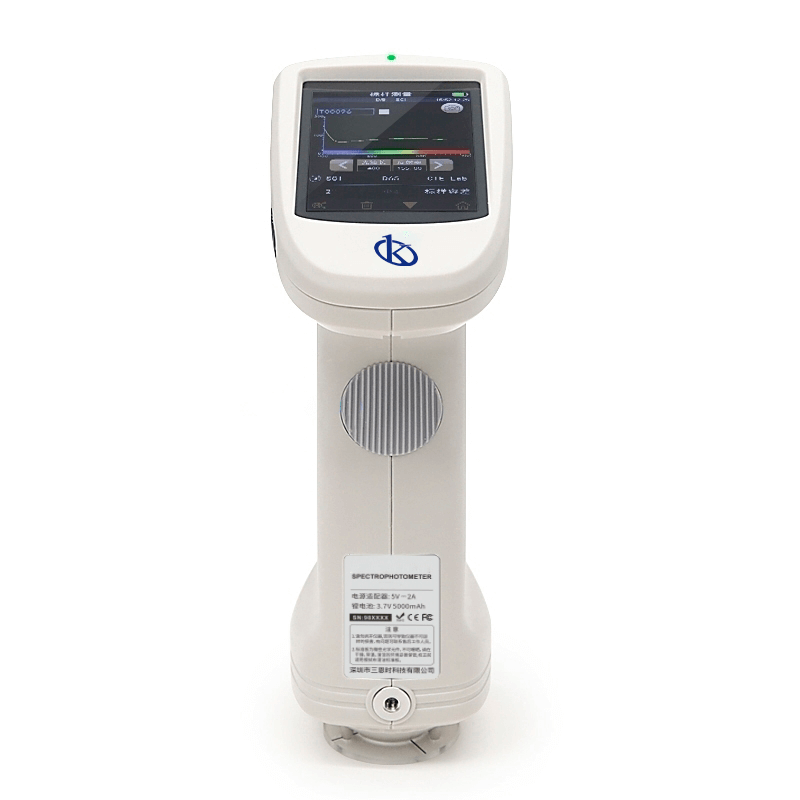
Handheld Spectrophotometers: Practical Applications in Clinical and Hospital Laboratories 2026
What is it used for in 2026
Handheld spectrophotometers are essential tools in clinical and hospital laboratories, providing precise color measurements necessary for various applications. Their portability allows for on-site testing in laboratories, making them invaluable for quick diagnostics and quality control. In 2026, these instruments are widely used in fields such as plastics, coatings, textiles, automotive, medical, cosmetics, and food industries. By enabling accurate color measurement, they assist in ensuring product quality and compliance with industry standards.
History and evolution of the technology
The evolution of handheld spectrophotometers can be traced back to the early 20th century when color measurement methods were rudimentary. As technology advanced, so did the instruments, leading to the development of more precise and user-friendly models. Over the years, handheld spectrophotometers have incorporated digital displays, sophisticated software, and improved optics, enabling more accurate and versatile measurements. Today, these devices are equipped with advanced features that allow for comprehensive color analysis and integration with other laboratory systems.
How to use it step by step
Using a handheld spectrophotometer involves a series of methodical steps to ensure accurate readings. Here is a step-by-step guide:
- Preparation: Ensure the spectrophotometer is clean and calibrated. Gather samples for testing.
- Power on the device: Turn on the handheld spectrophotometer and allow it to warm up if necessary.
- Select measurement mode: Choose the appropriate measurement mode based on the application (e.g., reflectance or transmittance).
- Measure the white reference: Use a standard white reference tile to calibrate the device.
- Sample placement: Position the sample correctly in the measurement aperture.
- Take a measurement: Press the measurement button to obtain the color reading.
- Record data: Save the measurement data for further analysis or comparison.
- Perform maintenance: Clean the device after use and ensure it is stored properly.
Best techniques and protocols
To achieve reliable results, several best practices should be followed when using handheld spectrophotometers:
- Always calibrate the instrument with a standard reference before taking measurements.
- Ensure samples are free from contamination and properly prepared.
- Keep the measurement environment consistent, avoiding direct sunlight or reflective surfaces.
- Regularly update software and firmware for optimal performance.
- Document all measurements and conditions for reproducibility.
Practical applications by laboratory type
The applications of handheld spectrophotometers vary across different laboratory types:
- Clinical Laboratories: Used for colorimetric analysis in blood testing and other diagnostics.
- Hospital Laboratories: Valuable for on-the-spot testing, allowing for rapid decision-making in patient care.
- Research Laboratories: Employed in material science for analyzing the properties of different substances.
- Quality Control Laboratories: Ensure products meet color specifications in manufacturing processes.
Regulations, standards and certifications
In 2026, handheld spectrophotometers must comply with various industry standards and regulations, including:
- CIE standards for color measurement
- ISO standards for quality management
- ASTM standards for materials testing
- Local regulations pertaining to laboratory equipment and safety
Comparison with alternative technologies
While handheld spectrophotometers are highly effective, other technologies exist for color measurement, such as colorimeters and fixed spectrophotometers. Here’s how they compare:
- Handheld Spectrophotometers: Offer portability and versatility, suitable for various applications.
- Colorimeters: Generally more affordable but less versatile; suitable for basic applications.
- Fixed Spectrophotometers: Provide high precision but lack portability; ideal for controlled laboratory environments.
Comparison of available models
| Model | Best for | Key specs | Recommended use case |
|---|---|---|---|
| YR05493 | Color measurement in textiles | Price: $4254.00 | Quality control in textile manufacturing. |
| YR05494 | Plastic and paint analysis | Price: $3180.00 | Color matching in coatings. |
| YR05495 | General color analysis | Price: $2250.00 | Used in various industries for color quality assurance. |
| YR05496 | Color management in design | Price: $1670.00 | Used in product design for consistency. |
| YR05499 | Color quality control | Price: $1670.00 | Applicable for food and cosmetic industries. |
| YR05498 | Color measurement in laboratory research | Price: $1670.00 | Suitable for educational institutions and research labs. |
Common mistakes and how to avoid them
Common mistakes when using handheld spectrophotometers include:
- Failing to calibrate before use, leading to inaccurate readings.
- Not cleaning the measurement aperture, resulting in contamination.
- Using improper measurement techniques, which can yield unreliable data.
- Neglecting to follow manufacturer instructions for operation and maintenance.
To avoid these mistakes, always follow best practices and keep thorough documentation of all procedures.
Maintenance, calibration and good practices 2026
Regular maintenance and calibration are crucial for the longevity and accuracy of handheld spectrophotometers:
- Calibrate the device regularly using certified reference materials.
- Clean the optical components with appropriate materials to avoid damage.
- Store the device in a protective case to prevent external damage.
- Update software and firmware as needed to ensure optimal performance.
Cost-benefit analysis 2026
Handheld spectrophotometers represent a significant investment, but their benefits far outweigh the costs:
- Improved accuracy and speed of measurements enhance overall laboratory efficiency.
- Portability allows for versatile applications across various laboratory settings.
- Quality control and assurance can reduce waste and increase compliance with regulations.
In 2026, the cost of handheld spectrophotometers should be viewed as a long-term investment in laboratory productivity and quality.
Frequently asked questions
What should I consider when choosing a handheld spectrophotometer?
When choosing a handheld spectrophotometer, consider factors such as measurement range, accuracy, portability, ease of use, and software compatibility. Evaluate specific needs based on the type of samples you will be working with.
How often should I calibrate my spectrophotometer?
Calibration frequency depends on usage; however, it is recommended to calibrate before each measurement session or daily if used continuously. Regular calibration ensures accurate results.
Can I use a handheld spectrophotometer in different laboratories?
Yes, handheld spectrophotometers are designed for portability and can be used across various laboratory environments, including clinical, research, and quality control laboratories.
What maintenance does a handheld spectrophotometer require?
Maintenance includes regular cleaning of the optical components, proper storage to prevent damage, and regular calibration with certified reference materials to ensure accurate measurements.
Are handheld spectrophotometers suitable for food quality testing?
Yes, handheld spectrophotometers are suitable for food quality testing, particularly for color measurement, which is critical in ensuring product consistency and compliance with standards.
How can I ensure accurate measurements in my laboratory?
To ensure accurate measurements, always calibrate your device before use, maintain a controlled environment, use clean and properly prepared samples, and follow best practices for measurement techniques.
Where can I request a quote for a handheld spectrophotometer?
You can request a quote for a handheld spectrophotometer by visiting our website and exploring our catalog of laboratory equipment.
If you are looking for a fusion of innovation and quality, you have come to the right place. At Kalstein, we offer you the luxury of exploring our exclusive catalog of laboratory equipment. We manufacture every device to the highest standards of excellence. Our intuitive and seamless online purchasing channels are designed for your convenience, securing the most competitive prices. Hesitate no longer — we bring science to life, it is time to become part of our community.