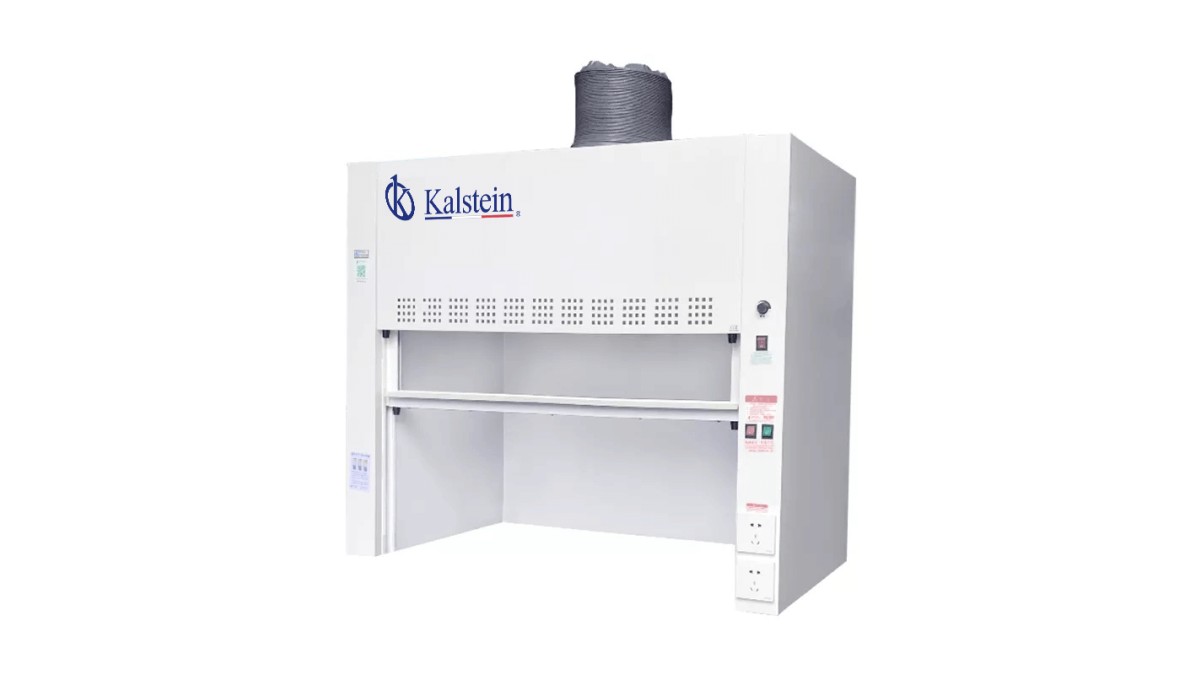
Fume Hood Cabinets: Practical Usage Guide Step by Step 2026
What is it used for in 2026
In the laboratory environment of 2026, fume hood cabinets serve as essential safety equipment designed to protect laboratory personnel from hazardous fumes, vapors, and particulates. They create an enclosed work area that ensures proper ventilation while conducting chemical experiments or handling volatile substances. The primary functions include:
- Removing harmful chemical vapors from the air.
- Providing a safe workspace for handling toxic or corrosive materials.
- Maintaining airflow to prevent the accumulation of hazardous substances.
As laboratory protocols evolve, the importance of using fume hood cabinets efficiently is emphasized to enhance safety and compliance in various laboratory settings.
History and evolution of the technology
The development of fume hoods has progressed significantly from their early versions used in the mid-20th century. Initially, they were simple wooden cabinets with basic ventilation systems. As laboratory safety standards became more rigorous, fume hoods transitioned to more advanced designs, utilizing materials such as epoxy-coated steel for better durability and resistance to chemical corrosion.
Technological advancements have introduced features like integrated LED lighting, adjustable airflow, and energy-efficient designs, making modern fume hoods safer and more effective. The evolution continues as laboratories seek to incorporate smarter technologies that monitor air quality and enhance user safety.
How to use it step by step
Using a fume hood cabinet effectively requires adherence to specific protocols to ensure safety:
- Preparation: Ensure that the fume hood is clean and free from any obstructions. Check that all components, such as the exhaust fan and filters, are functioning correctly.
- Personal Protective Equipment (PPE): Equip yourself with appropriate PPE, which may include gloves, goggles, and lab coats.
- Adjust sash height: Lower the fume hood sash to the recommended height before beginning work. This helps contain fumes and enhances safety.
- Conduct work: Perform all experiments within the fume hood, ensuring that materials do not extend beyond the hood's interior.
- Monitor airflow: Regularly check airflow indicators (if available) to ensure proper ventilation is maintained.
- Clean-up: After completing work, properly dispose of all chemicals and clean the workspace. Ensure that the hood is returned to a safe state before leaving the area.
Best techniques and protocols
To maximize the efficiency of fume hood cabinets, consider the following best practices:
- Always operate with the sash at the appropriate height for optimal airflow.
- Limit the amount of materials placed within the hood to prevent airflow disruption.
- Regularly conduct maintenance checks to ensure the fume hood remains in good working condition.
- Utilize appropriate chemical storage and disposal protocols to minimize risks.
Practical applications by laboratory type
Fume hood cabinets are versatile and can be utilized across various laboratory types:
- Chemistry Laboratories: Essential for experiments involving volatile chemicals and reactions.
- Biosafety Laboratories: Used for handling biological agents and pathogens safely.
- Material Testing Laboratories: Important for evaluating materials that release harmful fumes during experiments.
Regulations, standards and certifications
Compliance with safety regulations is crucial when using fume hoods. Standards such as those set by the American National Standards Institute (ANSI) and the Occupational Safety and Health Administration (OSHA) provide guidelines for proper installation, use, and maintenance. Certifications may include:
- ANSI/AIHA Z9.5 - Fume Hoods
- NIOSH Guidelines for Chemical Laboratory Safety
Ensuring that all laboratory personnel are educated on these regulations enhances safety and compliance.
Comparison with alternative technologies
While fume hoods are widely used for hazardous material handling, alternative technologies exist, such as:
- Biological Safety Cabinets (BSC): Designed specifically for biological materials, offering a higher level of containment.
- Local Exhaust Ventilation (LEV): Targeted ventilation systems that may be used in specific tasks rather than general lab environments.
- Glove Boxes: Enclosed systems that offer a sterile environment for handling sensitive materials.
Each alternative has its specific applications and is chosen based on the nature of the work being conducted.
Comparison of available models
| Model | Best for | Key specs | Recommended use case |
|---|---|---|---|
| YR05808 | Basic chemical processes | External size: 650*650*1000 mm; Internal size: 450*600*750 mm; Price: $390.00 | Ideal for routine laboratory tasks involving low-risk chemicals. |
| YR05809 | Medium chemical handling | External size: 800*650*1000 mm; Internal size: 600*600*750 mm; Price: $420.00 | Suitable for labs with moderate chemical usage requiring better airflow. |
| YR05810 | Advanced chemical applications | External size: 1000*650*1000 mm; Internal size: 800*600*750 mm; Price: $470.00 | Recommended for labs dealing with volatile substances. |
| YR05811 | Heavy-duty chemical processes | External size: 1000*650*1000 mm; Internal size: 1000*600*750 mm; Price: $508.00 | Best for high-risk chemical handling or prolonged experiments. |
| YR05812 | Multiple applications | External size: 1500*650*1000 mm; Internal size: 1300*600*750 mm; Price: $526.00 | Versatile for various laboratory workflows and chemical use. |
| YR05813 | High-volume chemical processing | External size: 800*650*1900 mm; Internal size: 600*600*750 mm; Price: $610.00 | Perfect for labs with high throughput and chemical handling needs. |
Common mistakes and how to avoid them
Laboratory professionals often make several mistakes when using fume hood cabinets, which can compromise safety:
- Overloading the hood: Avoid placing too many items inside the hood, which can disrupt airflow. Keep the workspace organized and minimal.
- Using the hood incorrectly: Ensure that the sash is used at the recommended height to maintain effective airflow.
- Neglecting maintenance: Regularly check and maintain the hood to ensure it operates properly. Schedule routine inspections to identify any issues.
By remaining vigilant and following proper guidelines, these common mistakes can be easily avoided.
Maintenance, calibration and good practices 2026
To ensure the longevity and effectiveness of fume hood cabinets, implement a maintenance routine that includes:
- Checking filters and replacing them as needed to maintain optimal airflow.
- Inspecting the sash mechanism for proper function and calibration.
- Cleaning the interior surfaces regularly to prevent cross-contamination.
Good practices also involve training all laboratory personnel on proper usage and maintenance of fume hoods to foster a safety-first culture in the lab.
Cost-benefit analysis 2026
When considering the purchase of fume hood cabinets, analyze the initial costs against the benefits:
- Initial Investment: Depending on the model, prices range from approximately $390 to $610.
- Long-term Safety: Investing in high-quality fume hoods can prevent accidents, thereby saving costs associated with workplace injuries and chemical exposure.
- Compliance with Regulations: Ensuring compliance with safety standards can prevent legal issues and fines.
Ultimately, the benefits of enhanced safety, compliance, and operational efficiency often outweigh the initial costs.
Frequently asked questions
How do I choose the right fume hood for my lab?
Consider factors such as the types of chemicals you will be working with, the size of the lab, and the expected volume of use. Each model has specifications tailored for different applications.
What maintenance is required for a fume hood?
Regularly inspect and clean the interior, check airflow indicators, and replace filters as needed. Schedule routine maintenance checks to ensure the hood operates correctly.
What are the signs that my fume hood needs repair?
Look for signs such as decreased airflow, unusual noises from the fan, or visible damage to the sash or interior surfaces. If airflow indicators are out of range, it may indicate a problem.
Can I use a fume hood for all chemicals?
Not all fume hoods are suitable for every chemical. Always check compatibility and manufacturer guidelines to ensure safety when using specific substances.
How can I improve the airflow in my fume hood?
Ensure that the sash is at the recommended height and that no obstructions are present. Additionally, ensure that the hood is properly maintained and serviced regularly.
Is training necessary for new users of fume hoods?
Yes, all personnel should receive training on the proper use, safety protocols, and maintenance of fume hoods to ensure a safe laboratory environment.
Where can I request a quote for fume hood cabinets?
You can request a quote on Kalstein Plus for a comprehensive catalog of fume hood cabinets tailored to your laboratory needs.
If you are looking for a fusion of innovation and quality, you have come to the right place. At Kalstein, we offer you the luxury of exploring our exclusive catalog of laboratory equipment. We manufacture every device to the highest standards of excellence. Our intuitive and seamless online purchasing channels are designed for your convenience, securing the most competitive prices. Hesitate no longer — we bring science to life, it is time to become part of our community.