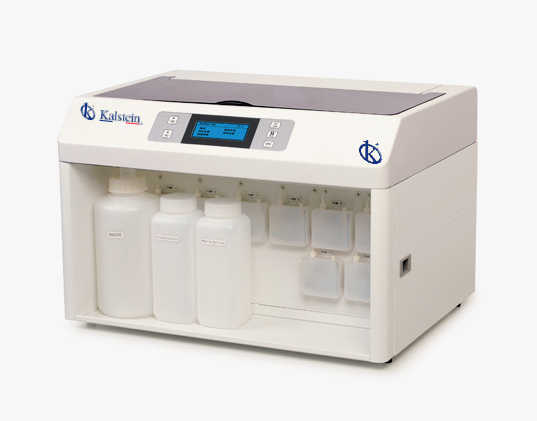
Food Safety Analyzers: Best Techniques and Protocols in 2026
What is it used for in 2026
Food Safety Analyzers are instrumental in ensuring the safety and quality of food products. In 2026, these analyzers serve multiple purposes, ranging from detecting contaminants to verifying compliance with health regulations. In laboratories, they facilitate tests for pesticide residues, antibiotics, and other harmful substances, providing crucial data for food safety management.
History and evolution of the technology
The technology behind Food Safety Analyzers has evolved significantly over the past few decades. Initially, testing was largely manual and time-consuming, often leading to inconsistencies in results. Advances in automation and digital technology have transformed these processes, allowing for higher throughput and more accurate analyses. Modern analyzers are now equipped with sophisticated software, enabling them to perform complex calculations and data logging automatically.
How to use it step by step
Using Food Safety Analyzers involves several steps that ensure accurate testing:
- Preparation: Gather all necessary samples, reagents, and equipment.
- Calibration: Ensure the analyzer is properly calibrated following the manufacturer's guidelines.
- Sample Introduction: Load the samples into the analyzer, following the prescribed protocols for sample size and form.
- Execution of Tests: Select the appropriate testing protocol on the device and initiate the analysis.
- Data Collection: After the tests, collect and review the results, ensuring all data is logged accurately.
- Reporting: Generate reports as required for compliance or internal quality control.
Best techniques and protocols
Best practices in 2026 include utilizing standardized methods recommended by regulatory bodies. Protocols involve:
- Routine Calibration and Quality Control checks.
- Implementing Good Laboratory Practices (GLP).
- Incorporating advanced data management systems for tracking and traceability.
Practical applications by laboratory type
Different types of laboratories utilize Food Safety Analyzers for specific applications:
- Research Laboratories: Focus on developing new testing methods and validating existing ones.
- Quality Control Labs: Routine testing of food products to ensure safety before distribution.
- Environmental Testing Labs: Assessing agricultural runoff and its impact on food safety.
Regulations, standards and certifications
Food Safety Analyzers must comply with various regulations and standards, such as:
- ISO standards for laboratory testing.
- Food and Drug Administration (FDA) regulations.
- Good Manufacturing Practices (GMP).
Comparison with alternative technologies
While Food Safety Analyzers are essential, alternative technologies such as PCR (Polymerase Chain Reaction) testing or biosensors also play a role. These technologies may offer advantages in specific contexts, such as rapid pathogen detection, but Food Safety Analyzers provide a more comprehensive approach to food testing by analyzing multiple contaminants simultaneously.
Comparison of available models
| Model | Best for | Key specs | Recommended use case |
|---|---|---|---|
| YR06090 | High-demand immunology testing | Processes up to 40 strips, high-precision dispensing | Laboratories with high testing volume |
| YR06089 | Versatile food safety testing | Supports 96 tests, absorbance range 0-4500Abs | Food safety screenings and laboratory analysis |
| YR06093 | Incubation and mixing | Temperature range 25-60°C, RPM adjustable | Applications requiring precise temperature control and agitation |
Common mistakes and how to avoid them
Common pitfalls in using Food Safety Analyzers include:
- Inaccurate calibration: Always perform calibrations according to the manufacturer's specifications.
- Improper sample handling: Ensure samples are stored and processed according to guidelines.
- Ignoring maintenance schedules: Regular maintenance is essential for reliable performance.
Maintenance, calibration and good practices 2026
To ensure optimal performance of Food Safety Analyzers, adhere to the following:
- Regularly schedule calibration checks.
- Keep the analyzers clean and free of contaminants.
- Document all maintenance activities for traceability.
Cost-benefit analysis 2026
Investing in Food Safety Analyzers can yield significant benefits:
- Increased testing efficiency and speed.
- Higher accuracy reduces risks associated with food safety breaches.
- Long-term savings through reduced waste and compliance costs.
Frequently asked questions
What are the key factors to consider when choosing a Food Safety Analyzer?
When selecting a Food Safety Analyzer, consider factors such as the range of tests it can perform, the volume of samples it can handle, ease of use, and compliance with safety standards.
How often should I calibrate my Food Safety Analyzer?
Calibration should be performed regularly, ideally before each use or at least once a week, depending on the usage frequency and manufacturer recommendations.
What types of food safety tests can be performed with these analyzers?
Food Safety Analyzers can perform tests for pesticide residues, antibiotic levels, heavy metals, and microbial contamination, among others.
Can I use multiple models in the same laboratory?
Yes, using multiple models can enhance testing capabilities, allowing for simultaneous testing of different parameters and improving laboratory efficiency.
What maintenance is required to ensure accurate results?
Regular cleaning, calibration, and software updates are essential for maintaining the accuracy and reliability of results produced by Food Safety Analyzers.
Are Food Safety Analyzers compliant with international standards?
Most Food Safety Analyzers are designed to comply with international regulations and standards, ensuring they meet the necessary safety and accuracy requirements.
How can I improve the workflow in my laboratory with Food Safety Analyzers?
Improving workflow can be achieved by integrating analyzers with laboratory information management systems (LIMS) for better data management and automation of repetitive tasks.
If you are looking for a fusion of innovation and quality, you have come to the right place. At Kalstein, we offer you the luxury of exploring our exclusive catalog of laboratory equipment. We manufacture every device to the highest standards of excellence. Our intuitive and seamless online purchasing channels are designed for your convenience, securing the most competitive prices. Hesitate no longer — we bring science to life, it is time to become part of our community.