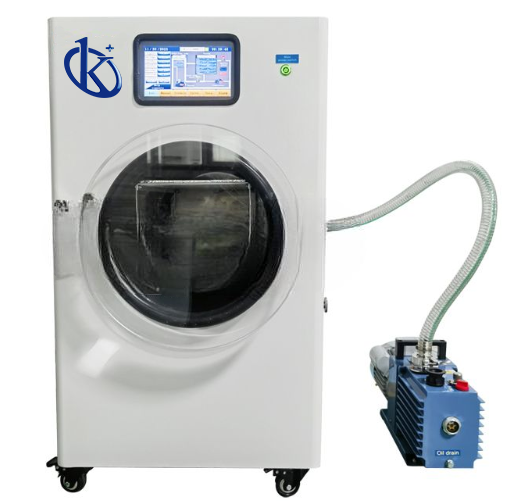
Food Freeze Dryer: Practical Step-by-Step Usage Guide in 2026
What is it used for in 2026
Food freeze dryers are essential equipment in laboratories and industries focused on food preservation, pharmaceuticals, and biological research. The primary purpose of these devices is to remove moisture from various products while maintaining their structural integrity and nutritional value. In 2026, the applications extend beyond food storage; they are also used in creating instant meals, extending shelf life, and even in the pharmaceutical sector for lyophilization of sensitive compounds.
History and evolution of the technology
The process of freeze drying dates back to the early 20th century, originally developed for food preservation during World War II. Over the decades, advancements in technology have transformed these devices into sophisticated machines that enhance efficiency and quality. Today's food freeze dryers incorporate automated systems, improved vacuum technology, and energy-efficient designs, making them more accessible to small and mid-sized laboratories.
How to use it step by step
- Preparation: Gather the food items or substances you wish to freeze dry. Ensure they are clean and cut into appropriate sizes.
- Pre-freezing: Place the items in a freezer to ensure they freeze solid before placing them in the freeze dryer.
- Loading: Load the pre-frozen items onto the trays in the freeze dryer, ensuring they are evenly spaced for optimal airflow.
- Setting up: Close the door and set the desired temperature and vacuum settings on the control panel, according to the manufacturer's guidelines.
- Start process: Initiate the freeze drying process. Monitor the progress through the display, if available.
- Completion: Once the cycle is complete, ensure that the items are thoroughly dry before removing them to prevent moisture absorption.
- Storage: Store the freeze-dried products in airtight containers to maximize shelf life.
Best techniques and protocols
For optimal results when using food freeze dryers, laboratory professionals should consider the following techniques and protocols:
- Use a pre-freezing step to ensure items are completely frozen before drying.
- Maintain a consistent vacuum level throughout the process to prevent sublimation issues.
- Regularly calibrate and maintain equipment to ensure efficiencies and prolong tool life.
- Document each cycle in detail for quality control and reproducibility.
Practical applications by laboratory type
Food freeze dryers are utilized across various laboratory types:
- Food laboratories: For preserving fruits, vegetables, and prepared meals.
- Pharmaceuticals: For lyophilizing active compounds and vaccines.
- Research institutes: For sample preservation in various scientific studies.
- Agricultural labs: For analyzing and preserving plant samples.
Regulations, standards and certifications
Using food freeze dryers in laboratories requires adherence to specific regulations and standards. Equipment should comply with FDA standards for food safety in the US and CE markings in Europe. Additionally, certifications like ISO 9001 can enhance credibility and ensure consistent quality in the operational processes.
Comparison with alternative technologies
While food freeze drying is a highly effective method of preservation, other technologies exist, such as air drying, vacuum drying, and spray drying. Each method varies in efficiency, cost, and the quality of the final product:
- Air drying: Often less expensive but can degrade product quality.
- Vacuum drying: Efficient but can be more costly and less effective with heat-sensitive products.
- Spray drying: Rapid but not suitable for all types of food products.
Comparison of available models
| Model | Best for | Key specs | Recommended use case |
|---|---|---|---|
| YR05984 | General food freeze drying | 700*860*930mm, 1550W, 4-6kg batch | Suitable for small to medium-sized food processing operations. |
| YR05983 | Home use food freeze drying | 400x550x700mm, 1100W, 1-2kg batch | Ideal for home users looking to preserve small quantities of food. |
| YR05985 | Fruits and vegetables | 700*800*1300mm, 2000W, 6-8kg batch | Best used in laboratories focusing on fruit and vegetable preservation. |
| YR06612 | High capacity production | 7000*8500*3200mm, 150kW, 500kg batch | Designed for large-scale operations requiring high-volume processing. |
Common mistakes and how to avoid them
Common mistakes when using food freeze dryers include:
- Not pre-freezing the items, leading to inefficient drying.
- Overloading the trays, which can restrict airflow and affect drying efficiency.
- Failing to monitor vacuum levels regularly, leading to suboptimal results.
- Neglecting regular maintenance and calibration, impacting overall performance.
Maintenance, calibration and good practices 2026
Regular maintenance includes:
- Cleaning the interior and components of the freeze dryer to prevent contamination.
- Calibrating temperature and vacuum sensors to ensure accurate readings.
- Inspecting seals and gaskets regularly for wear and tear.
- Documenting maintenance activities for compliance and tracking purposes.
Cost-benefit analysis 2026
Investing in food freeze dryers can be costly, but the benefits often outweigh the initial expenditure. Consider the following factors:
- Longer shelf life of products reduces waste and increases profitability.
- Versatile applications enable expansion into new markets.
- Improved product quality can enhance customer satisfaction and loyalty.
Frequently asked questions
What should I consider when choosing a food freeze dryer?
Consider the capacity, power consumption, and specific features such as automatic controls and ease of use.
How do I maintain my food freeze dryer?
Regular cleaning and calibration, along with routine inspection of components, are essential for maintenance.
Can I freeze dry liquids?
Yes, but it's crucial to follow specific protocols as liquids require different handling compared to solid foods.
What are the energy requirements for food freeze dryers?
Energy consumption varies by model; always check specifications to ensure compatibility with your facility's power supply.
How long does the freeze drying process typically take?
The cycle length can range from several hours to over a day, depending on the type of product and model used.
Is training necessary for operating freeze drying equipment?
Yes, proper training ensures safe and efficient operation of the equipment, enhancing product quality and safety.
What is the expected lifespan of a food freeze dryer?
With proper maintenance, a freeze dryer can last several years, often exceeding a decade of reliable service.
If you are looking for a fusion of innovation and quality, you have come to the right place. At Kalstein, we offer you the luxury of exploring our exclusive catalog of laboratory equipment. We manufacture every device to the highest standards of excellence. Our intuitive and seamless online purchasing channels are designed for your convenience, securing the most competitive prices. Hesitate no longer — we bring science to life, it is time to become part of our community.