Explosion-proof Cabinets: Practical Usage Guide for 2026
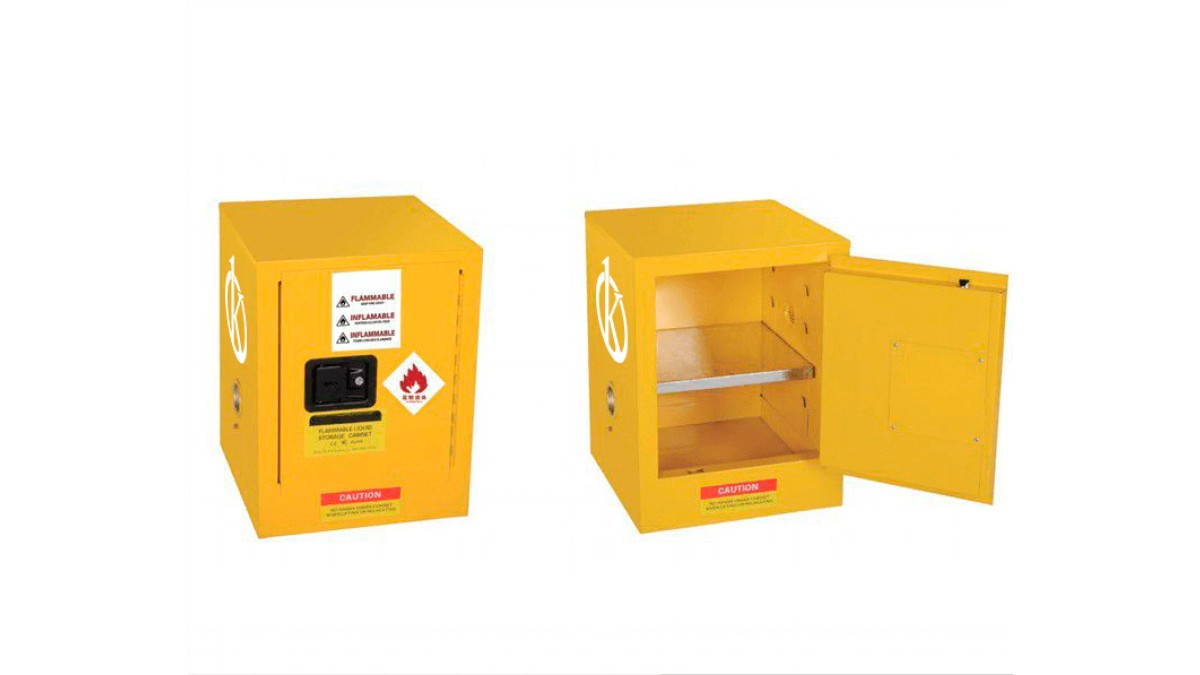
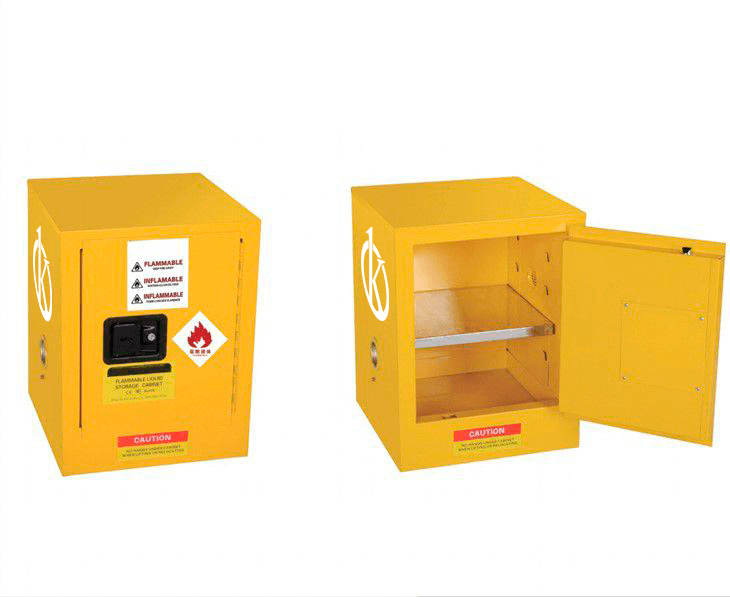
Explosion-proof cabinets are essential safety storage solutions designed to safely contain hazardous materials that may pose risks of fire or explosion. In laboratories and industrial settings, these cabinets provide a vital function in protecting both personnel and property. This article serves as a comprehensive guide to understanding the usage, applications, and best practices for explosion-proof cabinets in 2026.
What is it used for in 2026
In 2026, explosion-proof cabinets are primarily used for the safe storage of flammable and combustible liquids, chemicals, and aerosol products. Their robust design prevents the ignition of vapors and is crucial in maintaining a safe working environment. Laboratories utilize these cabinets to adhere to safety regulations, protecting both employees and facilities from potential hazards.
History and evolution of the technology
The concept of explosion-proof equipment dates back to the late 19th century, with advancements in materials and engineering leading to safer designs over the decades. Originally developed for industrial settings, the technology has evolved to meet the demanding requirements of modern laboratories. Today, explosion-proof cabinets incorporate features like double-lock systems, adjustable shelving, and electrostatic grounding to enhance safety.
How to use it step by step
Using an explosion-proof cabinet involves the following steps:
- Assessment: Evaluate the types of materials to store and their respective hazard classifications.
- Installation: Place the cabinet in a well-ventilated area, away from potential ignition sources.
- Organization: Store materials according to compatibility and labeling standards.
- Securing: Ensure the cabinet is locked when not in use and regularly check the locking mechanism.
- Inspection: Conduct routine checks for signs of wear, damage, or leaks.
Best techniques and protocols
To maximize safety and efficiency when using explosion-proof cabinets, follow these best techniques and protocols:
- Label all stored materials clearly according to hazard classifications.
- Document the contents of each cabinet for quick reference and compliance purposes.
- Implement a regular training program for all staff on proper usage and emergency procedures.
- Conduct periodic inspections and maintenance checks on the cabinets.
Practical applications by laboratory type
Explosion-proof cabinets find applications in various laboratory environments, including:
- Chemical Laboratories: For storing solvents and reagents.
- Biological Laboratories: To safely contain flammable biological materials.
- Industrial Laboratories: For managing hazardous waste and chemicals.
Regulations, standards and certifications
Compliance with safety regulations is critical. Key standards include:
- OSHA (Occupational Safety and Health Administration) regulations.
- NFPA (National Fire Protection Association) standards for flammable liquids.
- ATEX (ATmosphères EXplosibles) directives in Europe for equipment in explosive atmospheres.
Comparison with alternative technologies
While explosion-proof cabinets are vital, alternative technologies like ventilated cabinets are also available. However, these alternatives may not offer the same level of protection against explosions and chemical reactions, making explosion-proof cabinets the preferred choice in high-risk environments.
Comparison of available models
| Model | Best for | Key specs | Recommended use case |
|---|---|---|---|
| YR05464-1 | Flammable liquids storage | Dimensions: 330x330x330 mm, Price: $75.00 | Laboratories handling small quantities of flammable substances. |
| YR05464-2 | Flammable liquids storage | Dimensions: 330x330x330 mm, Price: $75.00 | Ideal for compact laboratory spaces. |
| YR05465 | Combustible liquids storage | Dimensions: 560x430x430 mm, Price: $107.00 | Suits laboratories requiring moderate storage capacity. |
| YR05465-1 | Combustible liquids storage | Dimensions: 560x430x430 mm, Price: $107.00 | Recommended for laboratories with varied hazardous materials. |
| YR05465-2 | Corrosive liquids storage | Dimensions: 560x430x430 mm, Price: $107.00 | Best for laboratories handling corrosive substances. |
| YR05464 | General hazardous materials storage | Dimensions: 330x330x330 mm, Price: $75.00 | Suitable for broader categories of hazardous materials. |
Common mistakes and how to avoid them
Common mistakes in using explosion-proof cabinets include:
- Improper labeling of stored materials — ensure all items are clearly labeled.
- Overloading cabinets beyond their capacity — adhere to weight limits.
- Neglecting regular maintenance — establish a routine for inspections.
Maintenance, calibration and good practices 2026
Maintaining explosion-proof cabinets involves the following practices:
- Regularly check the integrity of locks and seals.
- Clean the interior surfaces to prevent chemical buildup.
- Keep emergency contact information visible inside the cabinet.
Cost-benefit analysis 2026
The investment in explosion-proof cabinets is justified by the significant reduction in risk associated with hazardous materials. The cost of potential accidents, liability, and regulatory fines far exceeds the cost of these safety cabinets, making them a critical component of laboratory safety strategy.
Frequently asked questions
What materials can be stored in explosion-proof cabinets?
Explosion-proof cabinets are designed to store flammable liquids, combustible materials, and other hazardous substances that may pose fire risks. Ensure compatibility based on the cabinet's specifications.
Do I need a specific type of explosion-proof cabinet for different chemicals?
Yes, different explosion-proof cabinets are suited for various chemical classifications (e.g., flammable, corrosive). Choose a cabinet that matches the materials you plan to store.
How often should I inspect my explosion-proof cabinet?
It is recommended to inspect explosion-proof cabinets at least once a month, or more frequently if used in a high-capacity or high-risk environment.
Can I modify the interior of an explosion-proof cabinet?
Modifications can affect the safety features. Always consult the manufacturer guidelines before making any changes to the interior shelving or configuration.
What should I do if I notice a leak in the cabinet?
Immediately remove any materials from the cabinet and follow your facility's emergency procedures. Contact the manufacturer for instructions on addressing potential damage.
How do I choose the right explosion-proof cabinet for my laboratory?
Consider the types of materials you will store, the quantity, and regulatory requirements. Assess the cabinet's features, such as size, locking mechanisms, and appropriate certifications.
What are the key differences between models of explosion-proof cabinets?
Key differences include size, capacity, design features, and the specific types of hazardous materials they are built to accommodate. Refer to the product specifications to select the best option for your needs.
If you are looking for a fusion of innovation and quality, you have come to the right place. At Kalstein, we offer you the luxury of exploring our exclusive catalog of laboratory equipment. We manufacture every device to the highest standards of excellence. Our intuitive and seamless online purchasing channels are designed for your convenience, securing the most competitive prices. Hesitate no longer — we bring science to life, it is time to become part of our community.