How to Evaluate Return on Investment for Tissue Water Baths?
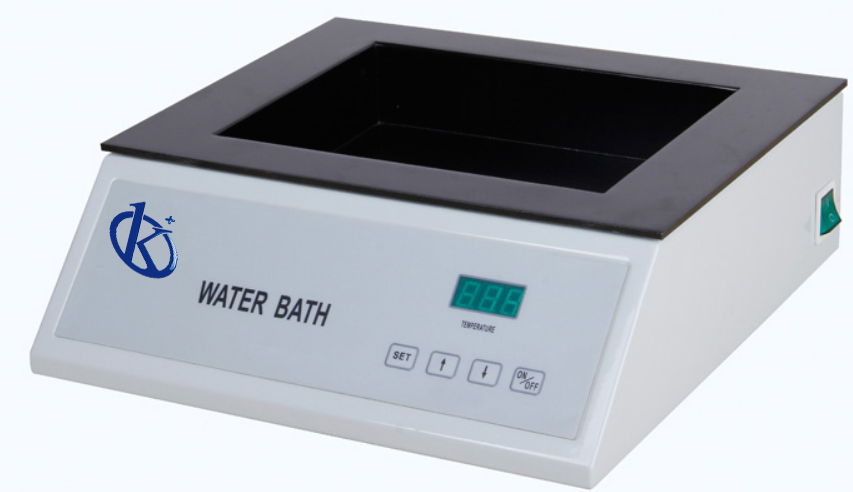
The evaluation of return on investment (ROI) for laboratory equipment is crucial for effective budget management and operational efficiency. Tissue water baths are essential in pathological anatomy, used primarily for specimen preparation and various biochemical applications. Understanding the cost-benefit ratio can help laboratories make informed decisions regarding equipment acquisition, usage, and maintenance. This article will delve deep into ROI analysis for tissue water baths, focusing on three specific models: Water Bath YR449, Water Bath YR451, and Water Bath YR452.
Understanding ROI in Laboratory Context
Return on investment (ROI) is a financial metric used to evaluate the profitability of an investment compared to its cost. In a laboratory, this metric becomes vital, especially when deciding on purchasing equipment like tissue water baths. ROI calculations consider both direct and indirect costs, influencing laboratory operational capacity and efficiency. Careful analysis helps ensure that laboratories can justify the upfront costs associated with equipment acquisition and ongoing expenses.
Factors Influencing ROI for Tissue Water Baths
Several factors contribute to the ROI for tissue water baths, including initial costs, operational expenses, maintenance costs, and potential revenue generated from increased throughput. Each model has distinct features catering to specific laboratory needs, enhancing overall productivity. For instance, rapid heating capabilities and energy efficiency can greatly reduce operating expenses, impacting the overall ROI positively.
Cost-Benefit Analysis of Tissue Water Baths
Conducting a cost-benefit analysis involves calculating both the costs associated with purchasing and operating water baths and the benefits derived from their use. The analysis should consider the lifespan of the equipment, the number of specimens processed, and the impact of improved reliability on laboratory workflows. By comparing these metrics, laboratories can determine which model provides the best value.
Comparison of Available Models
| Model | CAPEX (USD) | Cost per Test | Payback (Months) | Recommended Scenario |
|---|---|---|---|---|
| YR449 | 400 | 2.00 | 6 | Small labs with moderate volume |
| YR451 | 800 | 3.00 | 8 | Medium labs with diverse applications |
| YR452 | 950 | 3.50 | 10 | Advanced labs requiring high precision |
Model Insights for ROI Evaluation
Each tissue water bath model offers unique attributes that cater to different laboratory environments:
- Water Bath YR449: This model provides a balance between cost and functionality, ideal for smaller labs. With an initial investment of $400 and a payback period of six months, it's an excellent choice for those with moderate throughput.
- Water Bath YR451: At $800, this model offers enhanced features like real-time temperature monitoring, making it suitable for medium-sized labs that handle diverse applications. The payback period of eight months reflects its operational efficiency.
- Water Bath YR452: This model is priced at $950. It is designed for advanced labs that require exceptional precision and reliability. The longer payback period of ten months is offset by its superior performance and durability.
Common Mistakes and How to Avoid Them
When evaluating ROI for tissue water baths, laboratories often make common mistakes that can skew results. Some of these include:
- Not factoring in indirect costs: Indirect costs include energy consumption, maintenance, and labor. Failing to include these in the analysis can lead to an inaccurate ROI.
- Overlooking lifespan and depreciation: Equipment lifespan and depreciation affect long-term cost calculations. Make sure to factor these elements to gain a clearer financial picture.
- Ignoring throughput capacity: Assessing how many tests can be processed will significantly affect the ROI. Compare the processing capabilities of each model to determine which is most efficient for your lab's needs.
Quantitative Breakdown of ROI for Tissue Water Baths
To better illustrate the ROI analysis, consider the following scenario for a laboratory using each of the three water bath models:
| Model | Initial Cost (USD) | Annual Operating Cost (USD) | Annual Revenue from Tests (USD) | Annual Profit (USD) |
|---|---|---|---|---|
| YR449 | 400 | 500 | 4800 | 3900 |
| YR451 | 800 | 600 | 7200 | 6000 |
| YR452 | 950 | 700 | 9600 | 8650 |
This breakdown highlights how investment in more advanced water baths can lead to higher annual profits, justifying the initial expenditure against long-term gains.
Maximizing ROI Through Maintenance and Optimization
To enhance ROI further, laboratories should implement a strategic maintenance plan. Regular calibration (for example, maintaining temperature accuracy within ±1℃) and preventive maintenance can reduce downtime and increase reliability. Using features like automatic memory restoration in models such as YR449 ensures continuity during power failures, contributing to consistent operational efficiency.
Frequently Asked Questions
What is the initial cost of a Tissue Water Bath in a laboratory setting?
The initial cost of a Tissue Water Bath varies by model, such as the Water Bath YR449, which is priced at $400, while more advanced options like the Water Bath YR451 and YR452 are priced at $800 and $950, respectively.
How can I assess the energy consumption of a Tissue Water Bath model?
Energy consumption can be assessed by reviewing the power ratings of models like the Water Bath YR449, which consumes 200W, and calculating annual costs based on usage hours, ensuring energy efficiency in operational planning.
Which model is best for high throughput in a laboratory?
The Water Bath YR452 is ideal for high throughput due to its robust design and operational efficiency, making it suitable for advanced laboratories requiring precise temperature control for numerous samples.
What maintenance practices can enhance the ROI of a Tissue Water Bath?
Implementing regular calibration and utilizing features like automatic memory restoration in models like the Water Bath YR449 can significantly enhance ROI by minimizing downtime and ensuring consistent performance.
How does temperature accuracy impact the performance of Tissue Water Baths?
Temperature accuracy, such as the ±1℃ control in Water Bath YR451, directly impacts experimental outcomes, ensuring reliable results that justify the investment through improved laboratory efficiency.
How do I determine the cost per test for different Tissue Water Baths?
To determine the cost per test, divide the annual operating costs by the number of tests conducted, with models like YR449 having an estimated cost per test of $2.00, facilitating budget planning for laboratories.
What are the operational benefits of using advanced Tissue Water Baths?
Advanced models like the Water Bath YR452 offer features such as real-time monitoring and enhanced temperature control, leading to improved workflow efficiency and more accurate results in laboratory settings.
How can I maximize the lifespan of my Tissue Water Bath equipment?
Maximizing the lifespan of Tissue Water Baths involves regular maintenance, timely repairs, and utilizing built-in features like the automatic memory restoration seen in the Water Bath YR449 to ensure optimal performance.
If you are looking for a fusion of innovation and quality, you have come to the right place. At Kalstein, we offer you the luxury of exploring our exclusive catalog of laboratory equipment. We manufacture every device to the highest standards of excellence. Our intuitive and seamless online purchasing channels are designed for your convenience, securing the most competitive prices. Hesitate no longer — we bring science to life, it is time to become part of our community.