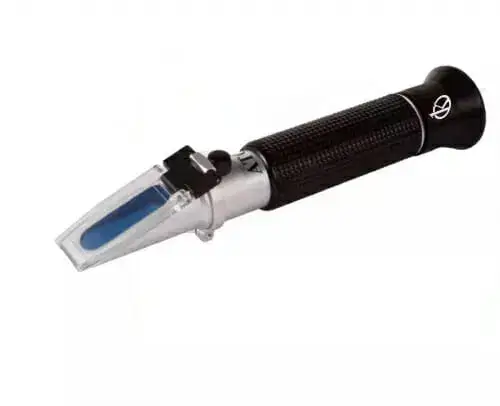
How to Evaluate Cost-Benefit Analysis for Beer Refractometers in Laboratories?
In the world of brewing and laboratories, measuring sugar density accurately is crucial for quality control and production efficiency. Beer refractometers play a pivotal role in this process by providing immediate readings of sugar concentrations. This article delves into the cost-benefit analysis and return on investment (ROI) associated with various beer refractometer models, highlighting how each can contribute to improved laboratory performance.
Understanding the Importance of Cost-Benefit Analysis in Laboratory Equipment
Cost-benefit analysis (CBA) is a systematic approach to estimating the strengths and weaknesses of alternatives. It is widely used in laboratory settings to evaluate the financial implications of purchasing equipment. For beer refractometers, CBA helps determine the potential ROI by analyzing direct costs, operational expenses, and the benefits of improved productivity and accuracy. This analysis is essential for justifying investments in laboratory tools.
Cost Components of Beer Refractometers
When conducting a cost-benefit analysis for beer refractometers, several components must be considered:
- Capital Expenditure (CAPEX): The initial purchase price of the refractometer model.
- Operating Expenses (OPEX): Costs related to maintenance, calibration, and consumables.
- Training Costs: Costs incurred for training personnel to operate the equipment effectively.
- Opportunity Costs: Potential earnings lost when choosing to invest in one refractometer model over another.
Evaluating the Return on Investment for Beer Refractometers
The ROI for beer refractometers can be assessed by calculating the expected time savings and increased accuracy in measurements. For example, if a laboratory can reduce the time spent on fermentation monitoring by 30% using a specific model, the financial benefits can be substantial.
Comparison of Available Models
| Model | CAPEX (USD) | Cost per Test (USD) | Payback Period (Months) | Recommended Scenario |
|---|---|---|---|---|
| YR05939 | 9.50 | 0.05 | 4 | Small-scale brewing |
| YR05940 | 9.50 | 0.05 | 4 | Microbreweries |
| YR05941 | 9.50 | 0.05 | 4 | Home brewing |
| YR05942 | 9.50 | 0.05 | 4 | Experimental labs |
| YR05943 | 9.50 | 0.05 | 4 | Research institutions |
Common Mistakes and How to Avoid Them
One common mistake in cost-benefit analysis is failing to include all associated costs. Laboratories must account for not only the purchase price but also ongoing operational costs. Another mistake is neglecting to consider the qualitative benefits, such as time savings or improved product quality. To avoid these pitfalls, a comprehensive checklist should be developed to ensure all factors are included in the analysis.
Maximizing Cost-Efficiency with Beer Refractometers
To maximize efficiency and ROI, laboratories should ensure proper calibration of their beer refractometers. Regular maintenance and calibration can prevent inaccuracies that may lead to costly mistakes. Investing in training staff to use the equipment effectively will also enhance the overall value derived from the instruments.
Frequently Asked Questions
How can I determine the ROI of a beer refractometer in my lab?
To determine the ROI of models like YR05939 or YR05940, calculate the total cost savings from reduced testing time versus the initial investment. For instance, if the refractometer allows for 20% more samples to be tested daily, this directly translates into increased profits.
What are the key cost factors to consider for beer refractometers?
Key cost factors include the initial purchase price (CAPEX), recurring costs like maintenance and calibration, and any necessary training for personnel. Models such as YR05941 can have low recurring costs, enhancing their overall cost-effectiveness.
Which beer refractometer model offers the best cost-benefit ratio?
The YR05939 and YR05940 models provide an excellent cost-benefit ratio, with low CAPEX and minimal ongoing costs, making them ideal for small-scale and microbreweries looking to enhance efficiency without a significant financial burden.
How much does maintenance cost for beer refractometers like YR05942?
Maintenance costs for models like YR05942 are typically low, averaging around $0.50 per month, which includes periodic calibration checks and cleaning supplies, ensuring longevity and accuracy in measurements.
What training is recommended for using beer refractometers effectively?
Training should cover basic operation, calibration procedures, and troubleshooting. For instance, understanding how to properly use the YR05943 can significantly reduce errors and enhance measurement accuracy in brewing processes.
What is the average lifespan of a beer refractometer?
The average lifespan of a beer refractometer like the YR05940 is around 5-7 years with proper maintenance. Regular calibration and upkeep can extend usability and enhance ROI by ensuring consistent performance.
How do I choose between different beer refractometer models?
Choosing the right model involves analyzing your specific needs, such as the volume of tests and required accuracy. For example, YR05941 may be ideal for high-throughput environments, while YR05939 suits smaller operations.
What are the benefits of integrating beer refractometers into laboratory practices?
Integrating models like YR05942 into laboratory practices offers benefits such as improved accuracy, faster testing times, and better overall quality control, ultimately leading to cost savings and enhanced product quality.
If you are looking for a fusion of innovation and quality, you have come to the right place. At Kalstein, we offer you the luxury of exploring our exclusive catalog of laboratory equipment. We manufacture every device to the highest standards of excellence. Our intuitive and seamless online purchasing channels are designed for your convenience, securing the most competitive prices. Hesitate no longer — we bring science to life, it is time to become part of our community.