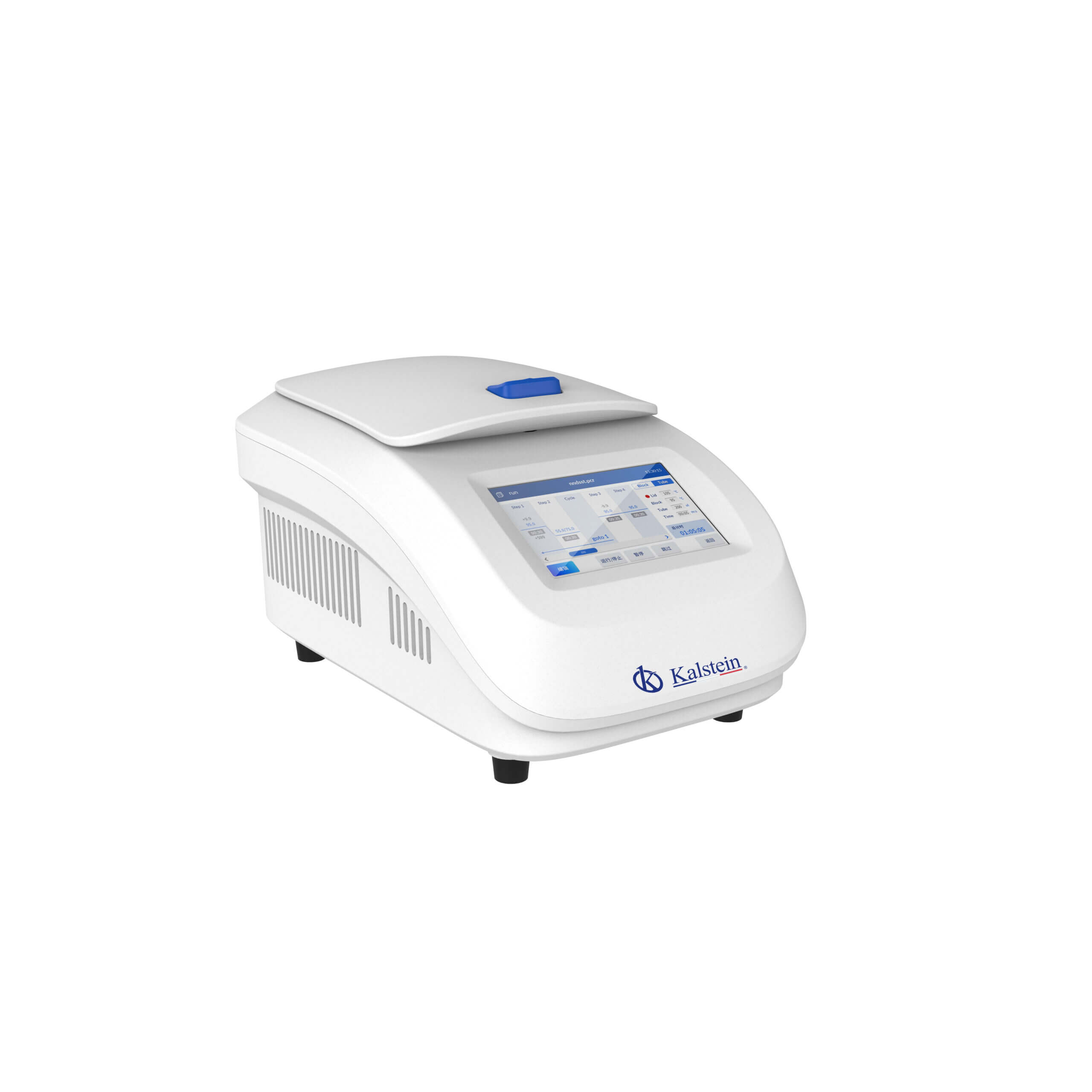
Essential Biosafety Protocols for Safe Operator Handling in Biochemical BOD Incubators
In laboratory settings, the safety of operators and the integrity of experiments are paramount. Biochemical BOD incubators, specifically designed for biochemical analysis, necessitate strict adherence to biosafety protocols. This article delves into essential biosafety practices tailored for the handling of biochemical BOD incubators while addressing operator safety amidst various applications.
Understanding Biosafety Levels and Their Importance
Biosafety levels (BSL) are a crucial framework for ensuring safe laboratory practices. These levels dictate the containment measures needed for various biological agents. For laboratories employing biochemical BOD incubators, understanding these levels is critical for establishing appropriate protocols. Each BSL has specific requirements regarding laboratory design, equipment, and safety practices to mitigate risks associated with biological materials.
Common Biosafety Risks Associated with Biochemical BOD Incubators
Biochemical BOD incubators can pose several risks, including exposure to pathogenic microorganisms, chemical hazards from reagents, and thermal dangers from equipment operation. Addressing these risks requires a multifaceted approach, involving proper training, use of personal protective equipment (PPE), and diligent adherence to safety protocols. An awareness of these risks can significantly enhance operator safety.
Essential Safety Protocols for Operator Handling
Implementing effective safety protocols is essential for protecting laboratory personnel. Operators should be trained in safe handling practices, including proper use of PPE, safe reagent handling, and emergency response measures. Incorporating regular training and safety drills ensures that all personnel are well-prepared for potential incidents. Labs should also establish clear protocols for reporting unsafe conditions and incidents.
Training Requirements for Safe Operator Handling
Regular training sessions should be conducted to familiarize operators with safety protocols specific to biochemical BOD incubators. Training should cover the safe operation of equipment, emergency procedures, and proper waste disposal methods. Moreover, simulation exercises can be valuable in preparing personnel for real-life scenarios, ensuring they are capable of responding effectively to emergencies.
Regular Maintenance and Safety Checks
Routine maintenance of biochemical BOD incubators is critical for ensuring their safe operation. Regular checks should include verifying temperature control, ensuring proper seal integrity, and testing functionality of safety features. A preventive maintenance schedule should be established to minimize risks associated with equipment failure and to maintain compliance with safety regulations.
Comparison of Available Models
| Model | Temperature Control Range | Best For | Price (USD) |
|---|---|---|---|
| YR05889 | R.T. -25℃ ~100℃ | DNA amplification and sample preservation | 590.00 |
| YR05890 | R.T. +5℃ ~100℃ | Advanced cooling and heating needs | 390.00 |
| YR05891 | RT+5℃ ~100℃ | Fast inspections in small labs | 89.00 |
| YR05892 | RT-20℃ ~100℃ | Quick tests and sample reactions | 189.00 |
| YR05893 | RT+5℃ ~100℃ | Compact solution for mobile labs | 149.00 |
| YR05894 | RT+5℃ ~105℃ | High precision applications | 119.00 |
Common Mistakes and How to Avoid Them
In the realm of laboratory safety, common mistakes can lead to significant risks. One frequent error is inadequate training of personnel, which can result in improper handling of equipment. Additionally, neglecting routine maintenance can compromise safety. To mitigate these issues, laboratories should prioritize comprehensive training programs and establish a rigorous maintenance schedule for all equipment.
Frequently Asked Questions
What are the essential biosafety protocols for using a biochemical BOD incubator?
Essential biosafety protocols for using a biochemical BOD incubator include the use of appropriate PPE, understanding biosafety levels, and adhering to manufacturer guidelines for operation. For instance, the YR05890 model, which offers a wide temperature control range, requires careful monitoring to prevent overheating.
How can training improve safety in laboratories using biochemical BOD incubators?
Training enhances safety in labs by ensuring that operators are familiar with protocols, safety equipment, and emergency procedures. Regular training sessions help reinforce the correct usage of models like the YR05891, minimizing risks associated with sample handling and equipment operation.
What common mistakes do laboratories make with biochemical BOD incubators?
Common mistakes include inadequate training, neglecting maintenance, and improper waste disposal. Laboratories should implement comprehensive protocols to address these issues, particularly when using incubators such as the YR05894, which requires strict adherence to temperature control guidelines.
How often should maintenance be performed on biochemical BOD incubators?
Maintenance should be performed regularly, ideally on a monthly basis, to ensure proper functioning and safety compliance. This is especially vital for models like the YR05889, which have advanced features requiring routine checks to maintain efficiency and safety.
What personal protective equipment is recommended for using biochemical BOD incubators?
Recommended PPE includes gloves, lab coats, and safety goggles to protect against chemical exposure and contamination. When using models like the YR05892, which may involve hazardous reagents, adequate PPE is crucial for operator safety.
How can laboratories ensure compliance with biosafety regulations?
Laboratories can ensure compliance by regularly reviewing and updating their safety protocols, conducting training sessions, and performing routine audits. It's essential for labs using any biochemical BOD incubator model, such as the YR05893, to maintain detailed records of safety practices.
What factors influence the choice of a biochemical BOD incubator model?
Factors influencing the choice include the specific application, temperature control range, size, and budget. For instance, the YR05890 is ideal for users needing both heating and cooling capabilities, making it versatile for various applications.
What best practices should be followed for safe operation of biochemical BOD incubators?
Best practices include proper training, regular equipment maintenance, use of PPE, and adherence to safety protocols. By following these practices, particularly with models like the YR05894, labs can significantly enhance operator safety and experimental integrity.
If you are looking for a fusion of innovation and quality, you have come to the right place. At Kalstein, we offer you the luxury of exploring our exclusive catalog of laboratory equipment. We manufacture every device to the highest standards of excellence. Our intuitive and seamless online purchasing channels are designed for your convenience, securing the most competitive prices. Hesitate no longer — we bring science to life, it is time to become part of our community.